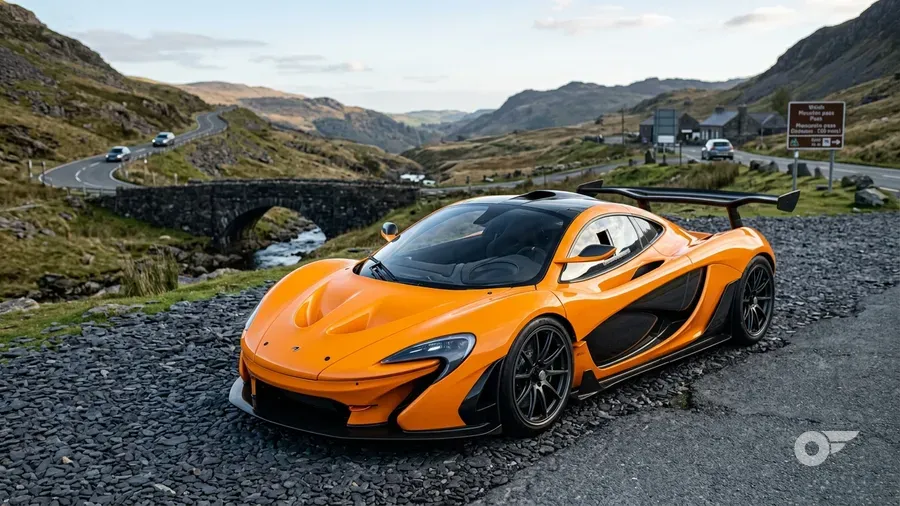
McLaren P1
UK·Exotic·2013–2015

The defining attributes and collector status that make this car garage-worthy.


Rated 1 to 10 on the traits that matter for owning, driving, and holding on to a car like this.
Demand tier, price trend, and typical values by condition. Our own assessment, not a quoted valuation.
Values as of August 2026.
What anyone seriously considering this car should know first.
Cars from the same manufacturer family, like platform siblings or shared-era relatives.
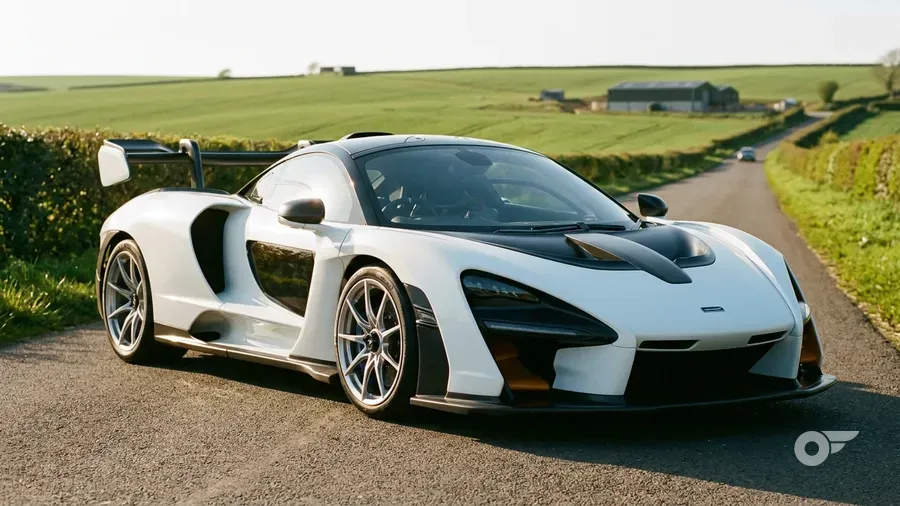
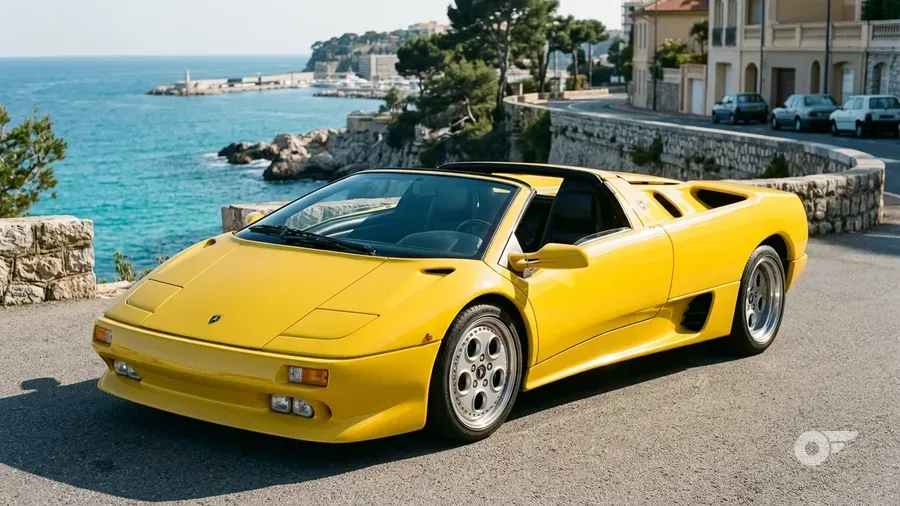
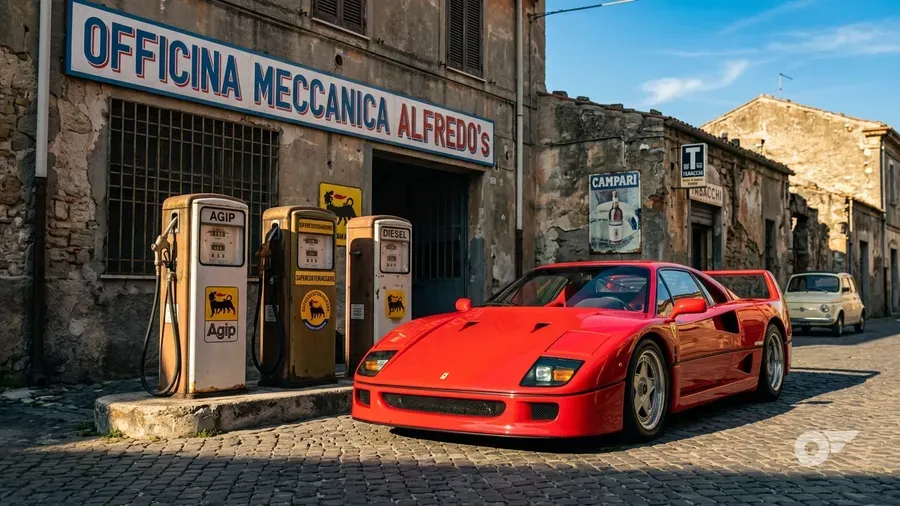
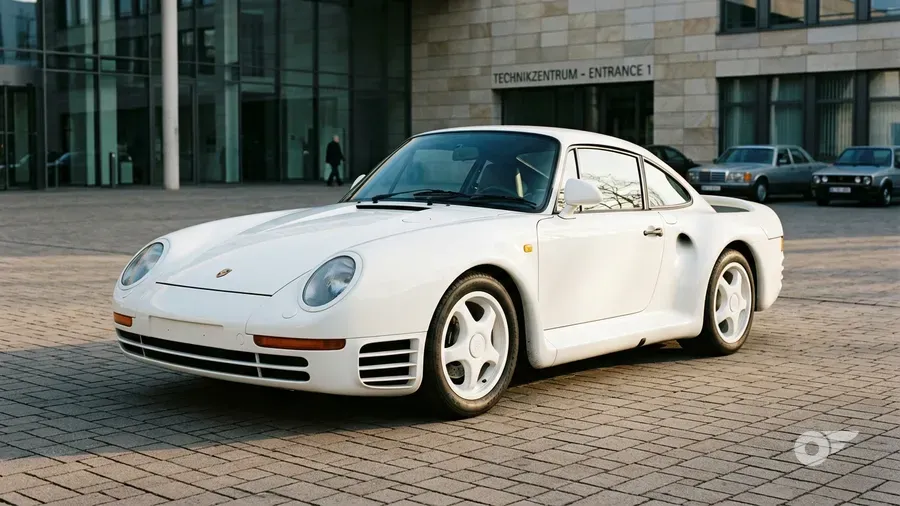
Cars from other manufacturers that competed for the same buyers when new.
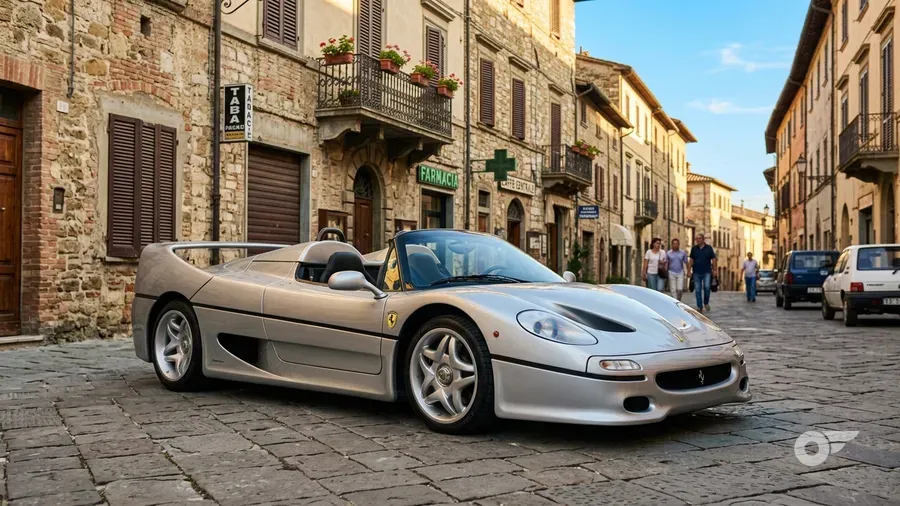
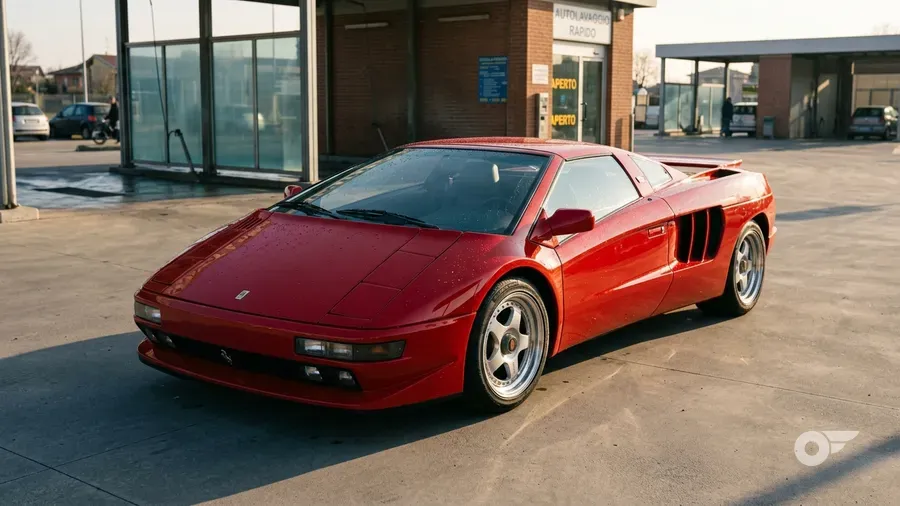
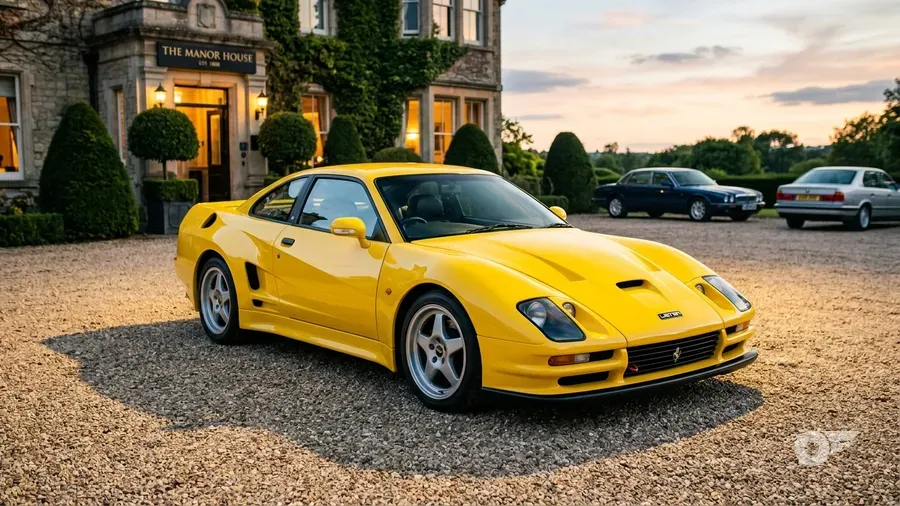
Cars imported into the United States and federalised by Ameritech. The side seats were deleted, the headlights replaced and the bumper raised, and the resulting cars gave up performance, handling and braking against European specification. Kerb weight 2,840 lb. Mario Andretti hit the rev limiter at 217.7 mph in one during a period top-speed comparison and noted it would pull a seventh gear if it had one.
The road car. 6,064cc BMW S70/2 V12, 627 PS at 7,400 rpm, 650 Nm at 5,600 rpm, transverse six-speed manual, 1,140 kg dry. Three seats with the driver front and centre, carbon fibre monocoque, no power steering, no ABS and no brake servo. Air conditioning, electric windows, a Kenwood CD system, fitted luggage in each flank and a gold-plated titanium toolkit. Each car's seat, pedals and steering column were set to its first owner before build and fixed there.
The homologation special that let McLaren race the 1997 long-tail F1 GTR. GTR long-tail bodywork with no rear wing, because the extended tail made enough downforce on its own, plus extra front louvres and widened arches. 1,120 kg, 20 kg under the standard car. The rarest road-going F1.
The competition car McLaren never planned to build, created after customers Ray Bellm and Thomas Bscher persuaded Ron Dennis in early 1994. Race bodywork, revised engine management and an air restrictor holding output to about 600 PS in 1995-96 trim. The 1997 cars, universally called the Longtail, ran the destroked 5,990cc S70/3 with a sequential gearbox and much extended bodywork, down to 910 kg. Won the 1995 Le Mans 24 Hours outright with chassis 01R.
Two standard road cars returned to the factory and rebuilt to LM specification with the High Downforce Kit: unrestricted GTR engines at 500 kW (680 PS), LM aerodynamics, 18-inch GTR wheels on Michelin Pilot Sport tyres, and race-specification dampers and springs set soft for road use. Interiors were left more comfortable than an LM's. Chassis 018 additionally received upgraded air conditioning, gas-discharge headlamps and a 14-inch steering wheel.
Built to mark the five F1 GTRs that finished the 1995 Le Mans 24 Hours. The 1995 GTR engine without race restrictors: 500 kW (680 PS) at 7,800 rpm, 705 Nm at 4,500 rpm, 8,500 rpm redline. 1,062 kg, 76 kg under the road car, achieved by deleting the noise insulation, the audio system, the fan-assisted ground effect and the moving rear spoiler, and adding a large fixed carbon wing, a different transaxle and 18-inch magnesium wheels. Top speed 225 mph, lower than the road car because of the drag. Papaya Orange in tribute to Bruce McLaren, except for two cars in the black and grey of the Ueno Clinic Le Mans winner.