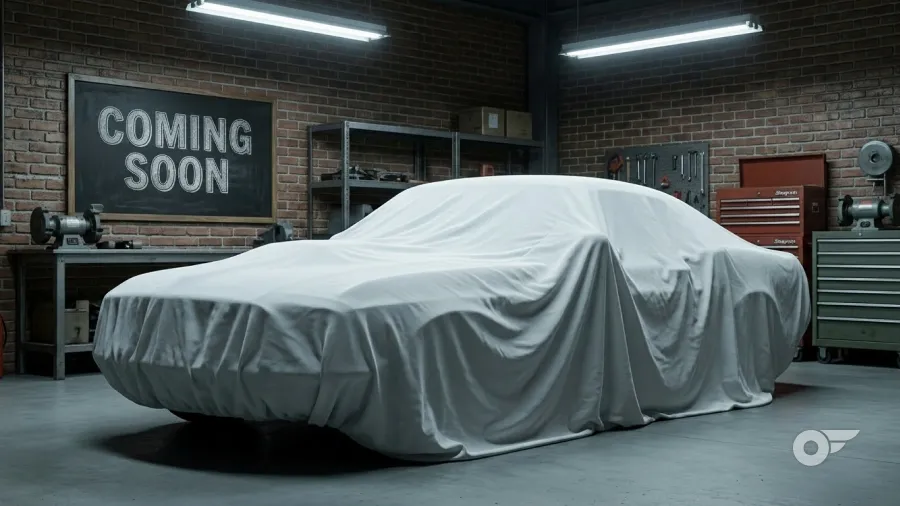
McLaren P1
We haven’t profiled this car yet. Request to add

The defining attributes and collector status that make this car garage-worthy.

Rated 1 to 10 on the traits that matter for owning, driving, and holding on to a car like this.
Demand tier, price trend, and typical values by condition. Our own assessment, not a quoted valuation.
Values as of August 2026.
What anyone seriously considering this car should know first.
Cars from the same manufacturer family, like platform siblings or shared-era relatives.
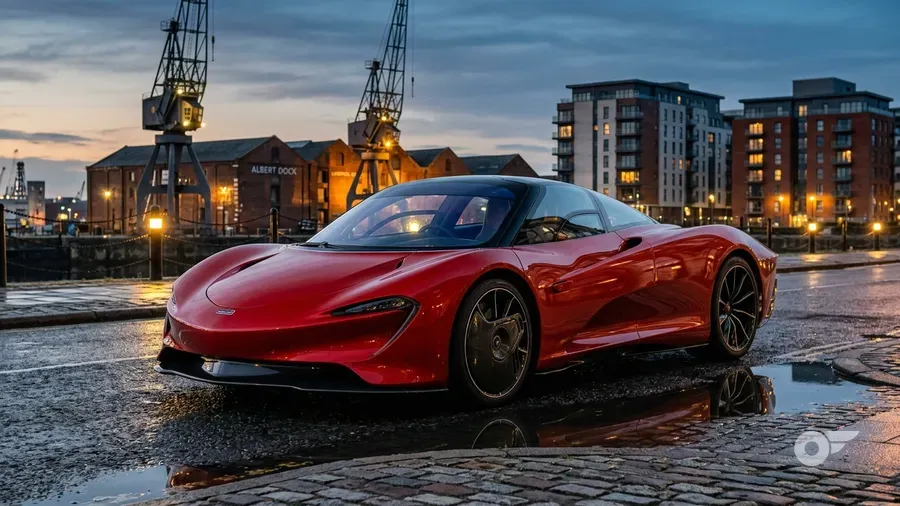
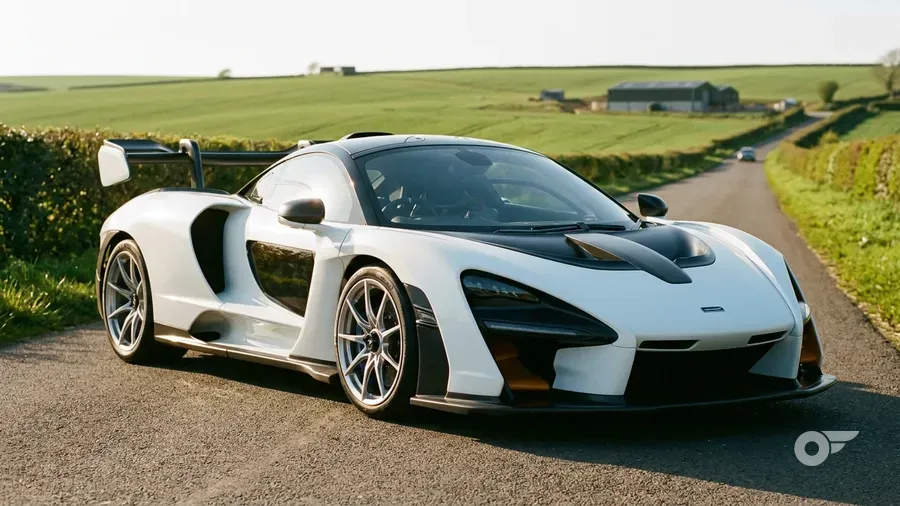
Cars from other manufacturers that competed for the same buyers when new.
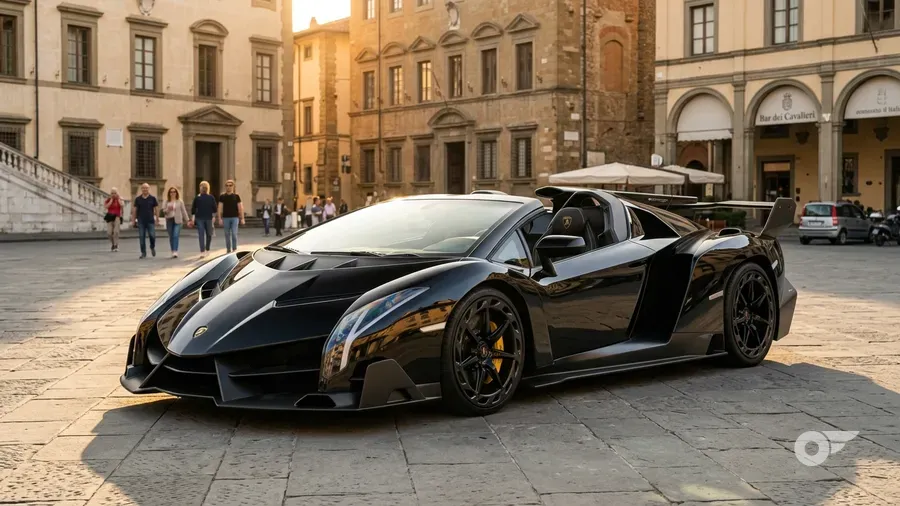
The car as conceived: no roof, no windscreen, no side glass. In place of a screen, the Active Air Management System draws air in above the front splitter, ducts it through the front clamshell and out over a carbon deflector that rises from the nose, creating a low-pressure pocket over the cockpit. Kerb weight 1,269.2 kg, which McLaren claimed as the lightest of any road car it had built, with the 4.0 litre twin-turbo V8 at 815 PS (804 hp).
A factory alternative rather than a compromise. Adds a heated glass windscreen with electronically synchronised rain-sensing wipers, washer jets and sun visors, replacing the air barrier with a physical one. McLaren targeted a weight penalty of about 20 kg and stated that dynamic performance and structural stiffness were unchanged from the screenless car.