McLaren MP4-12C
We haven’t profiled this car yet. Request to add

The defining attributes and collector status that make this car garage-worthy.


Rated 1 to 10 on the traits that matter for owning, driving, and holding on to a car like this.
Demand tier, price trend, and typical values by condition. Our own assessment, not a quoted valuation.
Values as of August 2026.
What anyone seriously considering this car should know first.
Cars from the same manufacturer family, like platform siblings or shared-era relatives.
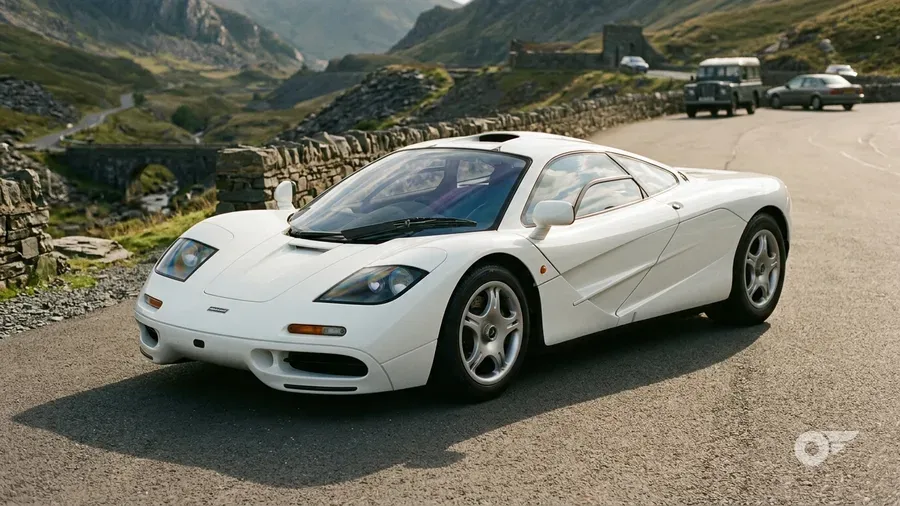
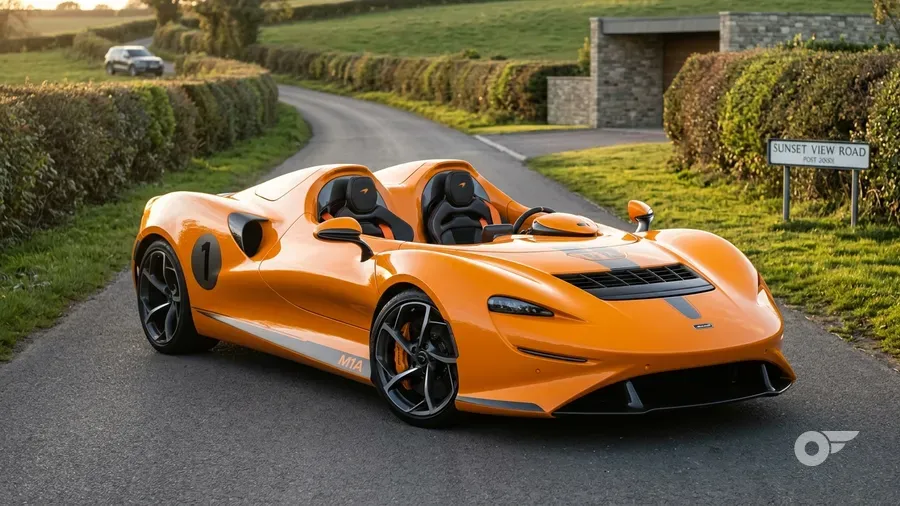
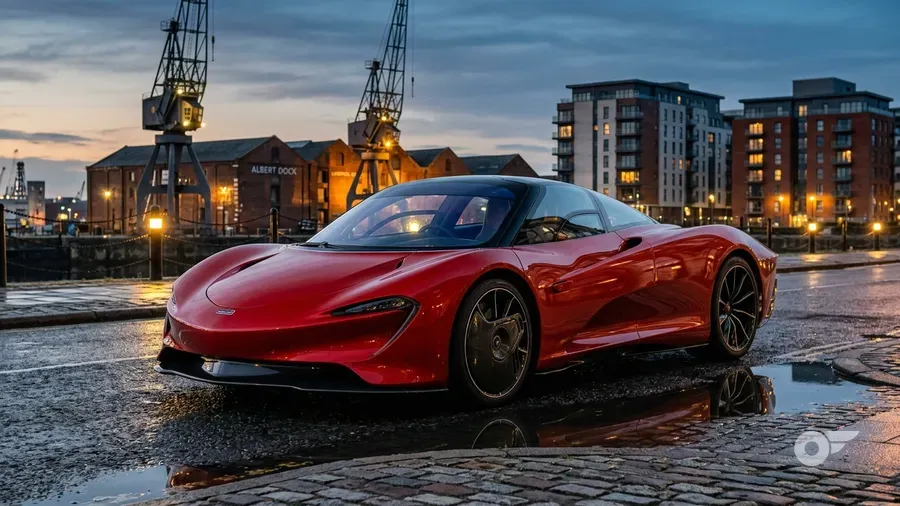
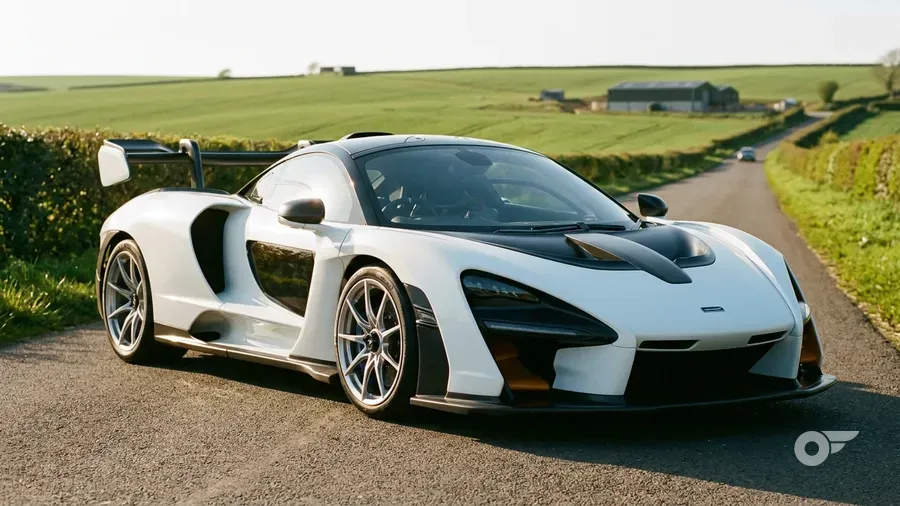
Cars from other manufacturers that competed for the same buyers when new.
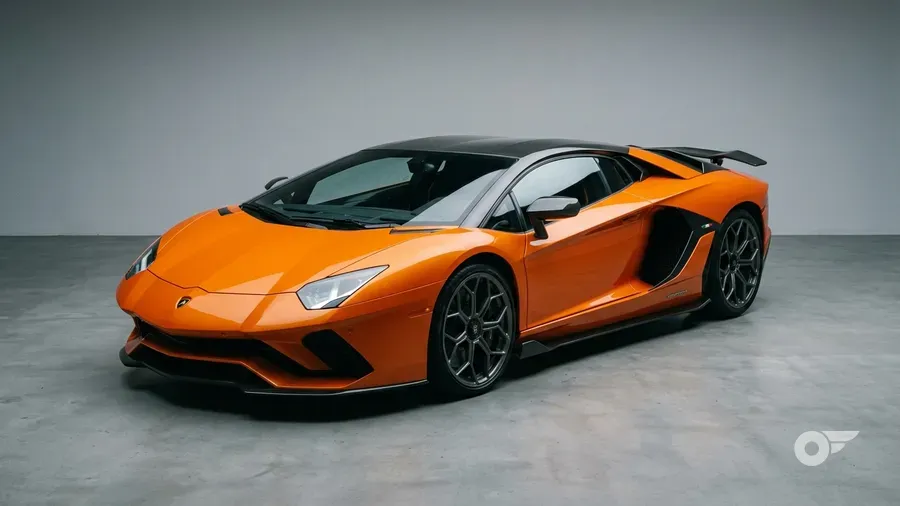
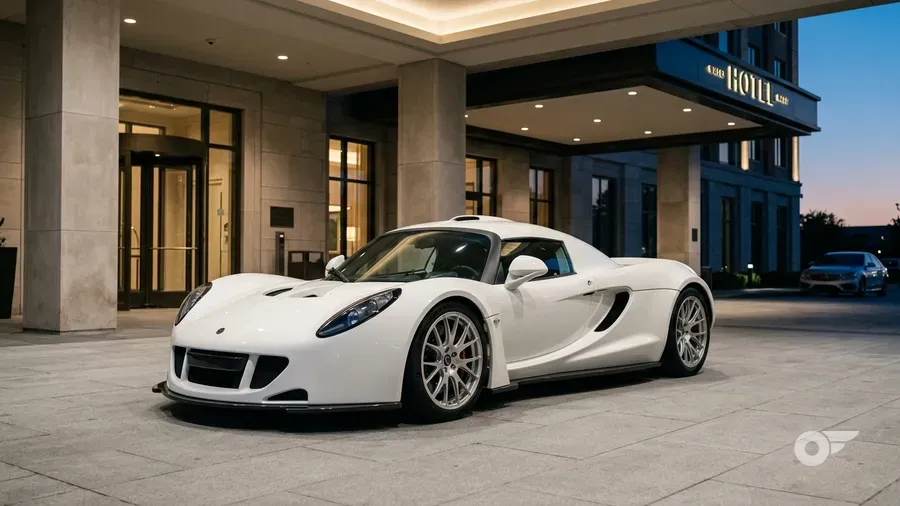
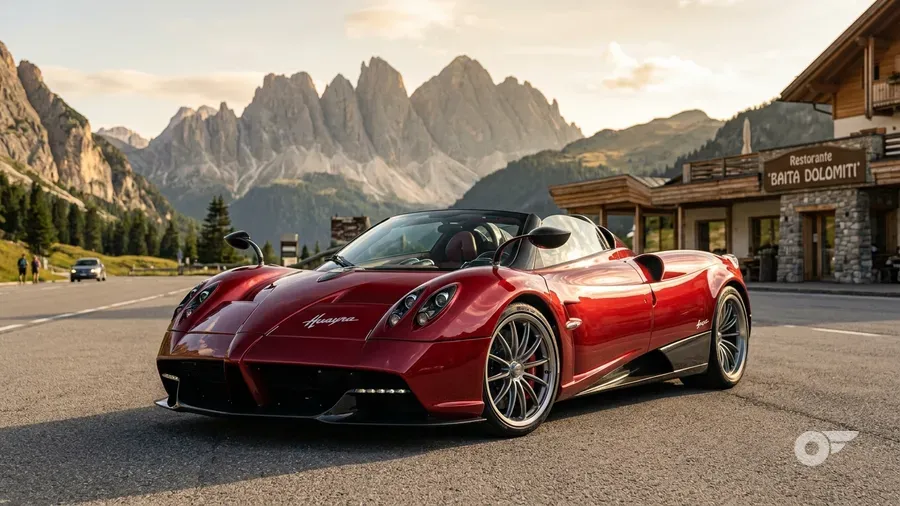
The road car. 3,799cc twin-turbocharged M838TQ V8 at 737 PS plus a 179 PS McLaren E-motor, 916 PS and 900 Nm combined, seven-speed dual-clutch, 1,395 kg dry. 4.7 kWh 535V lithium-ion pack behind the cabin, roughly 19 miles of EPA electric range. IPAS and DRS on the steering wheel, 600 kg of downforce at 160 mph, RaceActive Chassis Control hydro-pneumatic suspension, Akebono carbon-ceramic brakes. 0-100 km/h in 2.8 seconds, 217 mph limited.
A bespoke P1 shown at the 2016 Geneva Motor Show. Hand-laid carbon fibre body under Lio Blue tinted lacquer, gloss black wheels, carbon black Alcantara interior with contrasting blue stitching, and a 24-carat gold exhaust heat shield in direct reference to the McLaren F1's gold-lined engine bay.
Lanzante's long-tail, commissioned by two McLaren customers and shown at the 2018 Goodwood Festival of Speed. Bodywork modelled on the 1997 McLaren F1 GT homologation special: extended rear section, larger rear wing, longer front splitter, vented front wings, front canards deleted, quad exhaust in place of the twin outlet, revised diffuser, and Silverstone green paint after the original. Fixed sports seats, tan and green Alcantara, racing steering wheel. Powertrain changes were never published.
Track only, and sold in the first instance to existing P1 owners. 1,000 PS, an 84 PS gain McLaren never broke down between engine and motor, and 50 kg lighter at 1,440 kg with the batteries in. Slicks, fixed ride height, race-prepared suspension, a fixed rear wing that still runs DRS, and a titanium and Inconel exhaust, giving 10 percent more downforce than the road car. Built, maintained and run by McLaren Special Operations. Purchase included a worldwide owners' track series at Formula One circuits, McLaren Racing simulator access and a personal team of race technicians, with Bruno Senna as driver mentor.
The grail. Lanzante Motorsport commissioned McLaren Special Operations Bespoke to build six further P1 GTRs and turned them into road-legal cars. Larger 3,994cc twin-turbo V8 with an 8,500 rpm redline, 1,000 PS total (800 PS at 7,250 rpm plus 200 PS electric) and 1,050 Nm, limited to 345 km/h. 60 kg lighter than a GTR and 40 percent more downforce, via a modified wing, a larger splitter, dive planes, deleted air jacks, Inconel headers and catalysts, lightweight charge coolers, Lexan glass, F1 GTR-style seats and a titanium exhaust.
Lanzante's open-top P1, unveiled at the 2022 Goodwood Festival of Speed. Offered as a conversion of an existing car.