Toyota Land Cruiser 60 Series
Japan·Off-Road·1980–1990

The defining attributes and collector status that make this car garage-worthy.

Rated 1 to 10 on the traits that matter for owning, driving, and holding on to a car like this.
Demand tier, price trend, and typical values by condition, based on recent sales data.
Values as of August 2026.
What anyone seriously considering this car should know first.
Cars from the same manufacturer family, like platform siblings or shared-era relatives.
Cars from other manufacturers that competed for the same buyers when new.
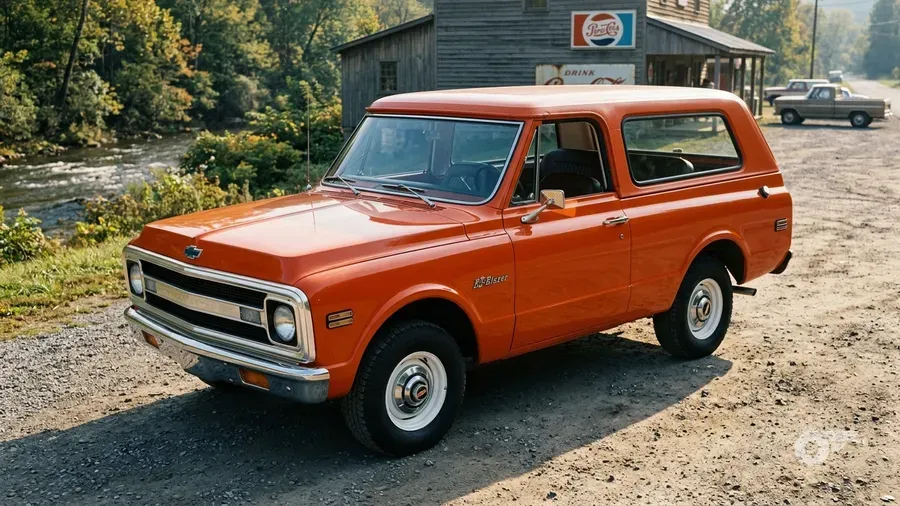
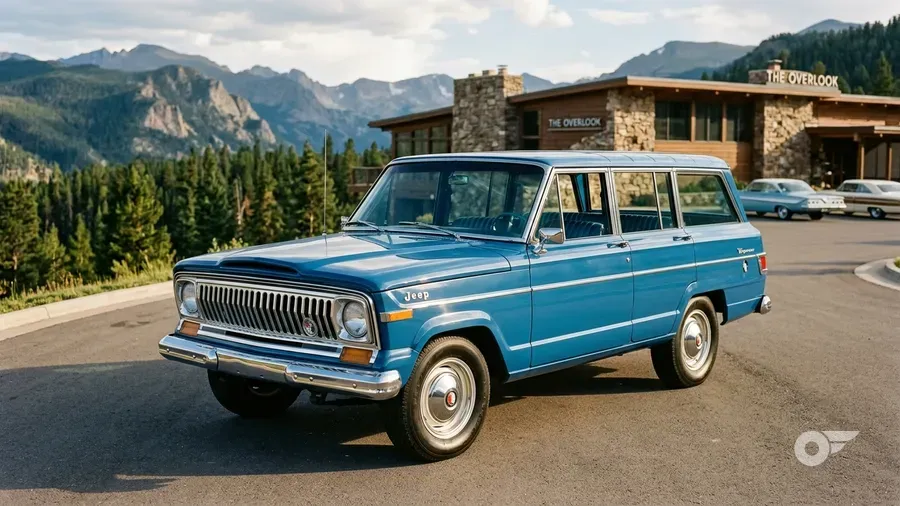
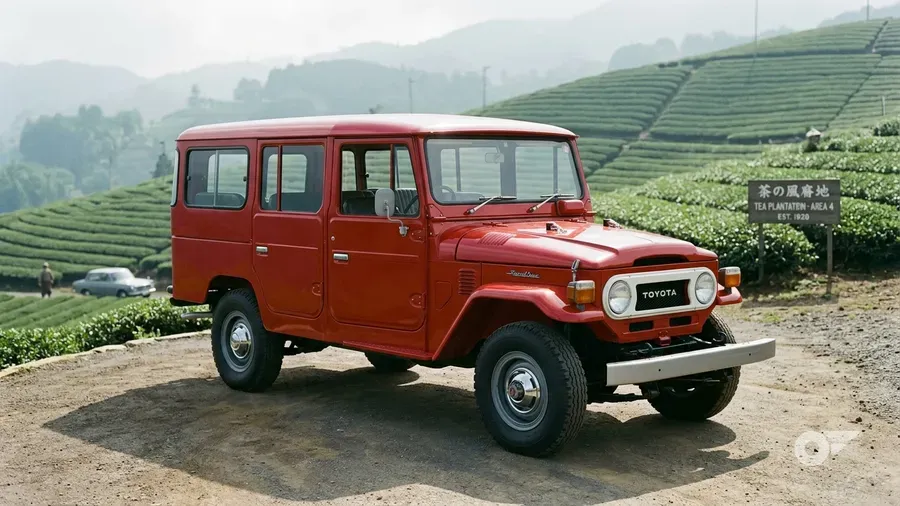
The later car, and the one to buy. The 4.2-litre 2F six replaced the F in 1975 at 135hp and 210lb ft, and the four-speed gearbox closed the long gap between the three-speed's second and third. Everything else carried over.
The original wagon, and the first vehicle Toyota itself called a real station wagon in the Land Cruiser line. Five doors on a 2,700mm wheelbase over fully enclosed box frame members, running the 3.9-litre F six and a three-speed gearbox. Designed for North America and Australia rather than adapted for them.
The Japanese-market designation used from 1975, covering the same 2F-engined wagon sold elsewhere as an FJ55. Of interest mainly because Japanese-market cars are now the source of many of the better surviving bodies.