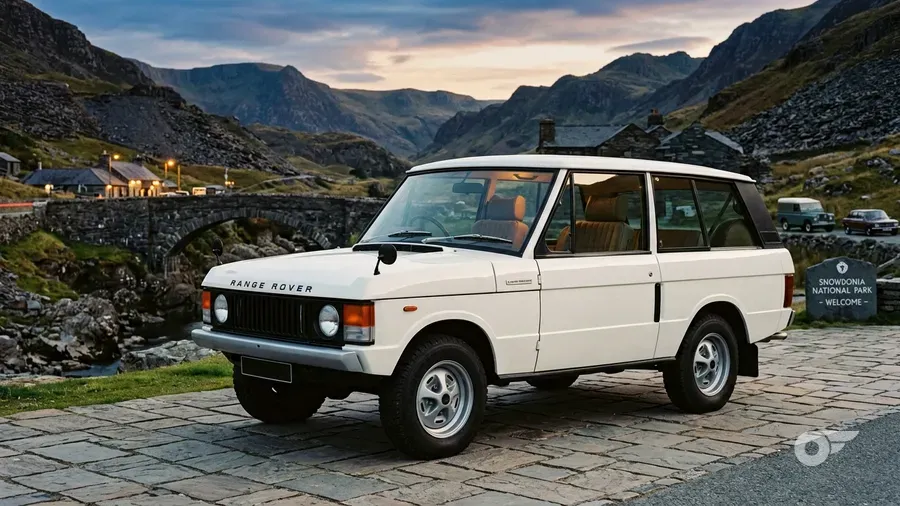
Land Rover Range Rover Classic
UK·Off-Road·1970–1996

The defining attributes and collector status that make this car garage-worthy.

Rated 1 to 10 on the traits that matter for owning, driving, and holding on to a car like this.
Demand tier, price trend, and typical values by condition, based on recent sales data.
Values as of August 2026.
What anyone seriously considering this car should know first.
Cars from the same manufacturer family, like platform siblings or shared-era relatives.
Cars from other manufacturers that competed for the same buyers when new.
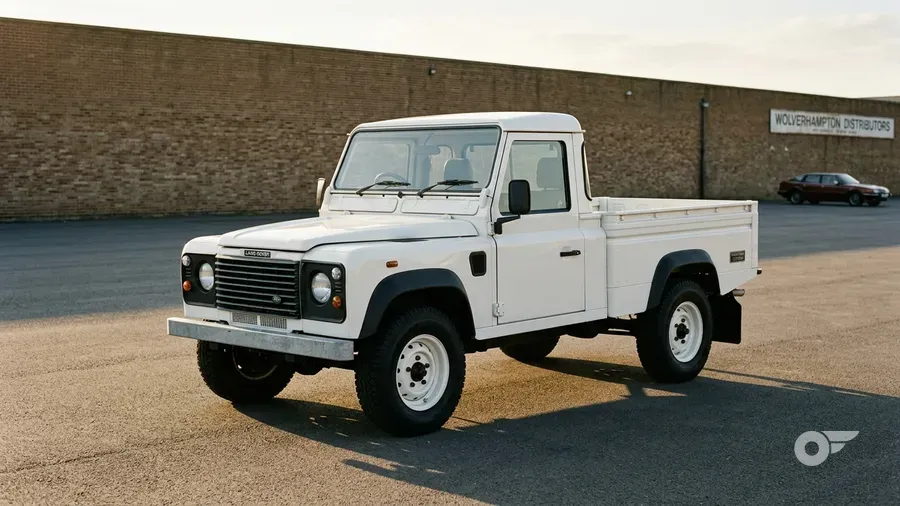
A heavy-duty 109 with lower gearing and larger tyres, sold to utilities, contractors and the services.
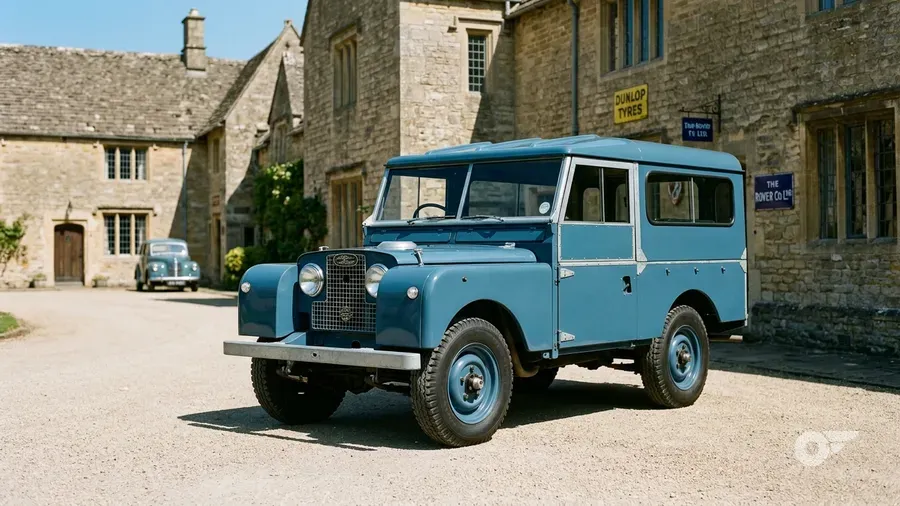
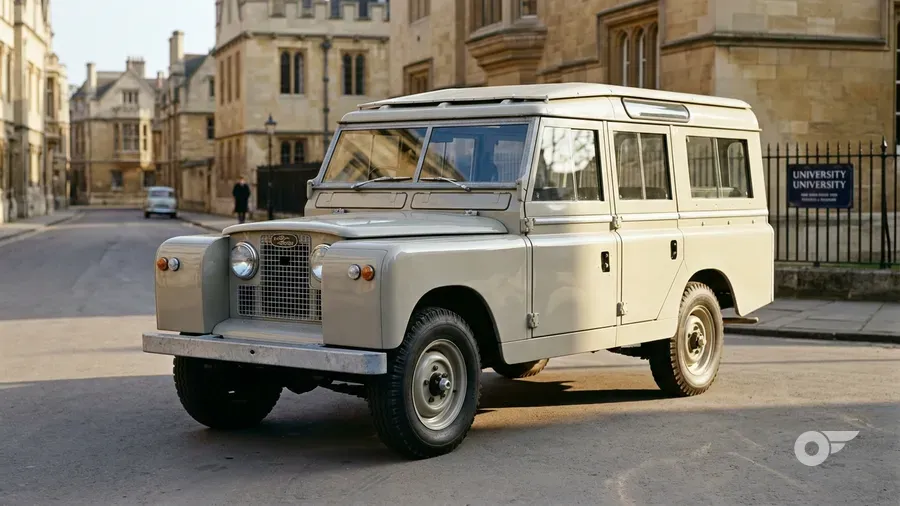
The long chassis, carrying pick-up, hardtop and Station Wagon bodies, and the only one offered with the 2.6-litre six carried over from the Series IIA.
Long-wheelbase V8 trucks built to military order, most visibly for New Zealand.
The short-wheelbase volume car, sold as soft-top, truck cab and hardtop with the 2.25-litre petrol or diesel four. The Land Rover most people have actually driven.
Introduced April 1982. Cloth seats, side stripes and a proper colour scheme on a vehicle sold on function since 1948. The first sign Land Rover was courting private buyers, and the direct ancestor of every Defender special edition.
The 3.5-litre Rover V8 detuned to 91hp, with the LT95 gearbox and transfer case from the Range Rover. The only Series Land Rover with permanent four-wheel drive, and the technical bridge to the coil-sprung One Ten.
Five doors, seating for up to ten and the safari roof. The body that turned the Land Rover into transport for people rather than only for loads.