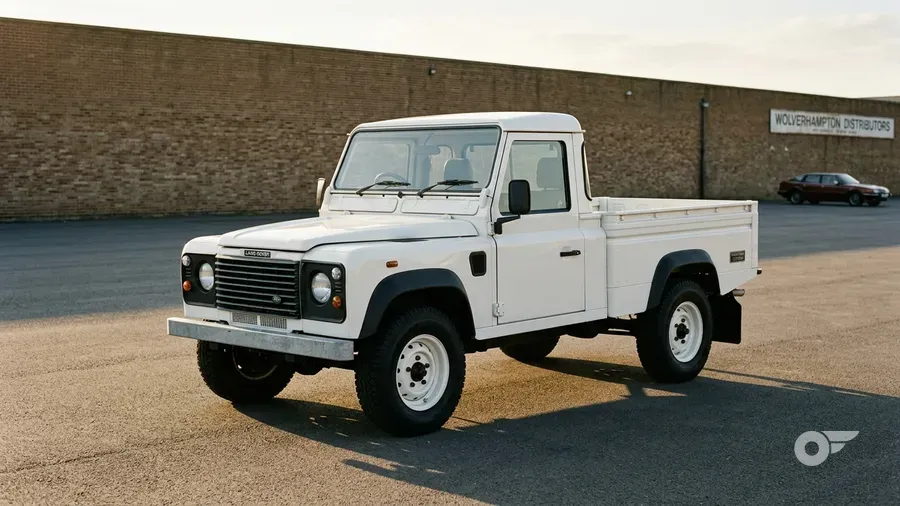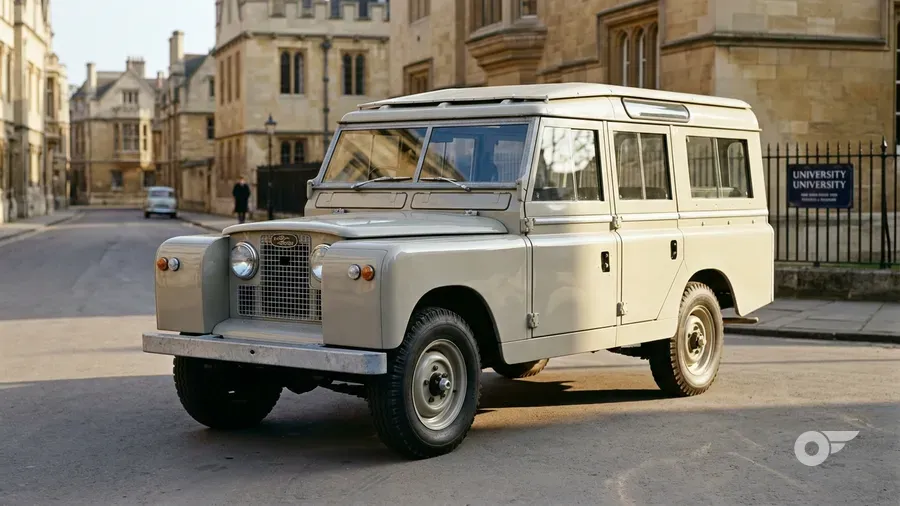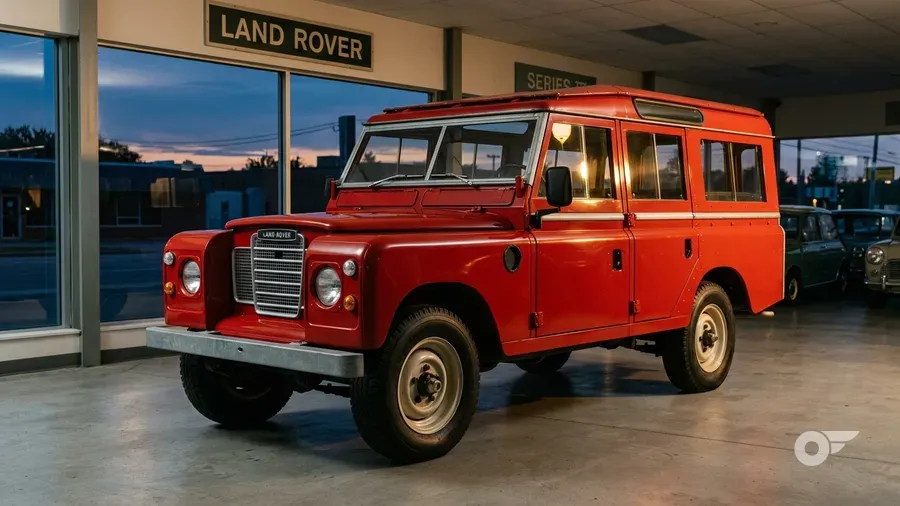
Land Rover Series III
UK·Off-Road·1971–1985

The defining attributes and collector status that make this car garage-worthy.


Rated 1 to 10 on the traits that matter for owning, driving, and holding on to a car like this.
Demand tier, price trend, and typical values by condition, based on recent sales data.
Values as of August 2026.
What anyone seriously considering this car should know first.
Cars from the same manufacturer family, like platform siblings or shared-era relatives.
Cars from other manufacturers that competed for the same buyers when new.
The long-wheelbase pick-up introduced alongside the 86 for 1954. Built for load rather than agility, and the reason the family later standardised on a long and a short chassis.
Land Rover's first five-door body, introduced September 1955, seating up to ten. Stayed in production into late 1959, past the launch of the Series II.
The long chassis grown to the 109 inches Land Rover would keep until 1985. Carried the heaviest bodies and, from 1957, the diesel.
An all-new 2.0-litre diesel four, unrelated to the petrol engines despite the similar capacity. The last engine of the Series I run and the rarest.
The original. 1.6-litre IOE petrol four of around 50bhp, freewheel front drive at launch and selectable four-wheel drive from 1950. The shape most people mean when they say Series One, and the one the market pays for.
The 1954 model year stretched the short car by six inches to make room behind the seats. Still the same idea, noticeably more useful, and priced well below an 80 today.
Two more inches for 1956, creating the wheelbase the Series II, IIA and III would all use. The most usable Series I and the volume car of the late run.
A coachbuilt seven-seat wooden-framed body by Tickford, with trim and fittings that got it taxed as a private car rather than a commercial vehicle. Purchase tax killed it at home.