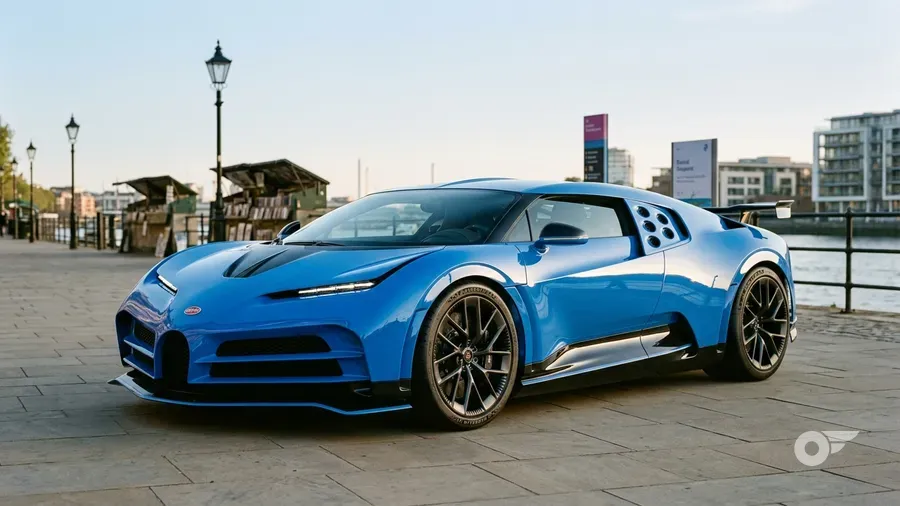
Bugatti Centodieci
France·Exotic·2022–2022

The defining attributes and collector status that make this car garage-worthy.

Rated 1 to 10 on the traits that matter for owning, driving, and holding on to a car like this.
Demand tier, price trend, and typical values by condition. Our own assessment, not a quoted valuation.
Values as of August 2026.
What anyone seriously considering this car should know first.
Cars from the same manufacturer family, like platform siblings or shared-era relatives.
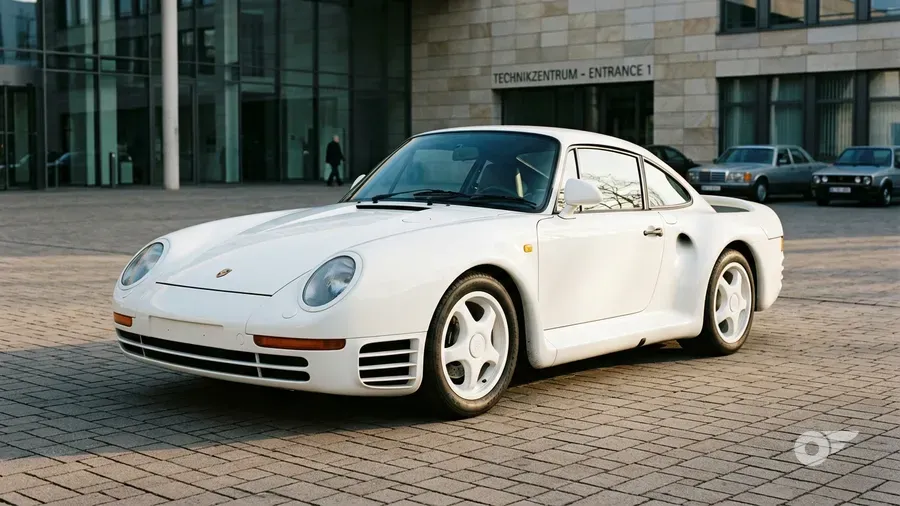
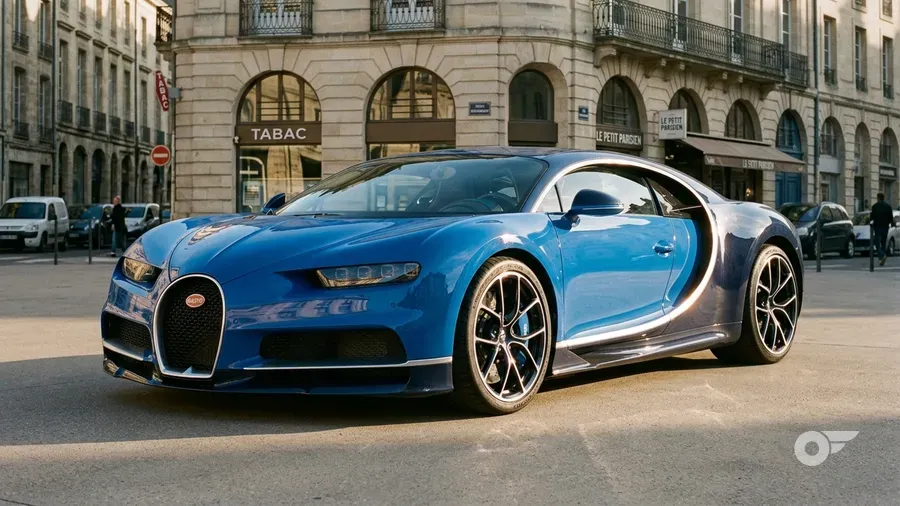
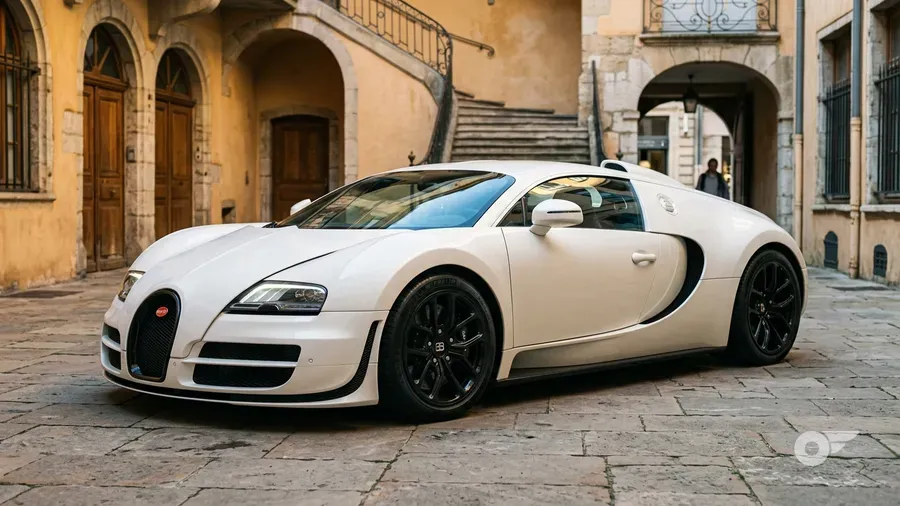
Cars from other manufacturers that competed for the same buyers when new.
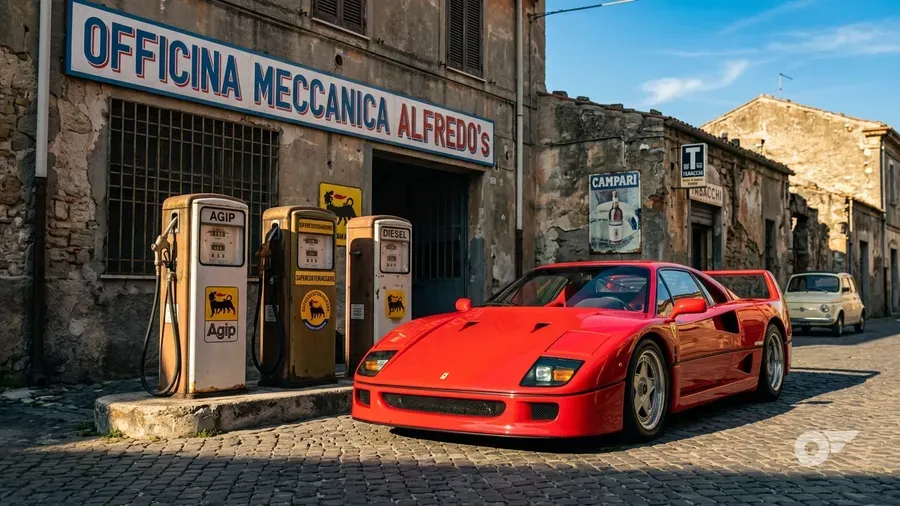
The launch car, shown in Paris in September 1991. 3.5-litre 60-valve V12 with four IHI turbochargers at 1.05 bar, 560PS, six-speed manual, four-wheel drive with 27 percent of torque to the front, Aérospatiale carbon monocoque, 1,620kg, 342km/h. A speed-sensitive electric rear wing and a fully trimmed interior separate it visually from the Super Sport.
Introduced at the 1992 Geneva show, six months after the GT. Boost raised from 1.05 to 1.2 bar, remapped ECU, larger injectors and a freer exhaust for 611PS, carbon panels inside and out saving 150kg for a 1,418kg kerb weight, a fixed rear wing in place of the GT's electric one, and 355km/h. Michael Schumacher bought a yellow one in 1994.