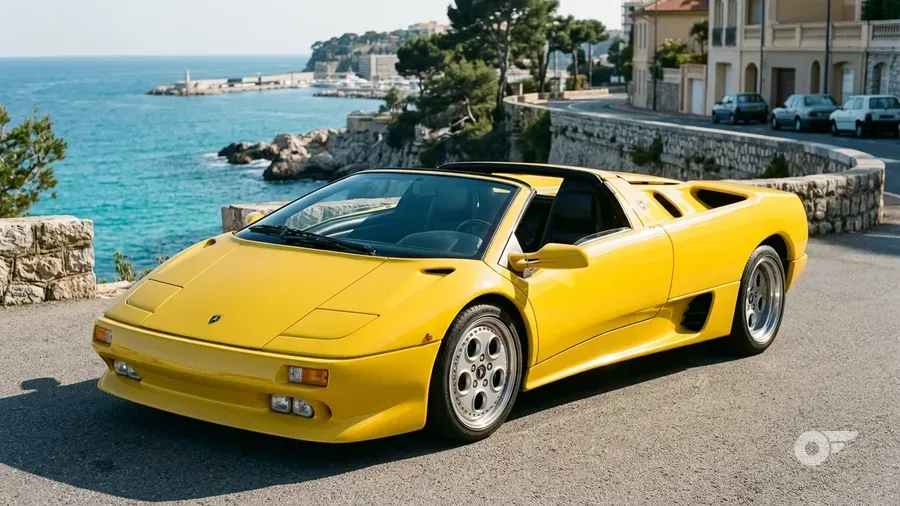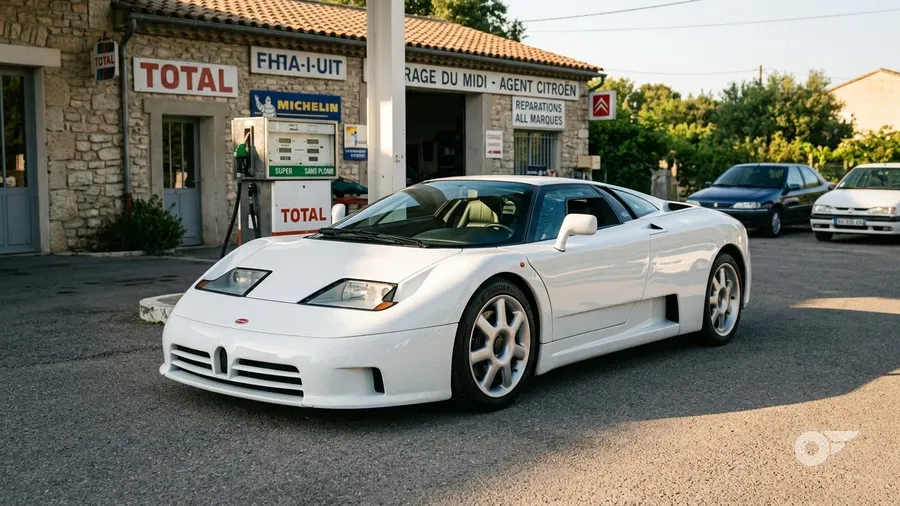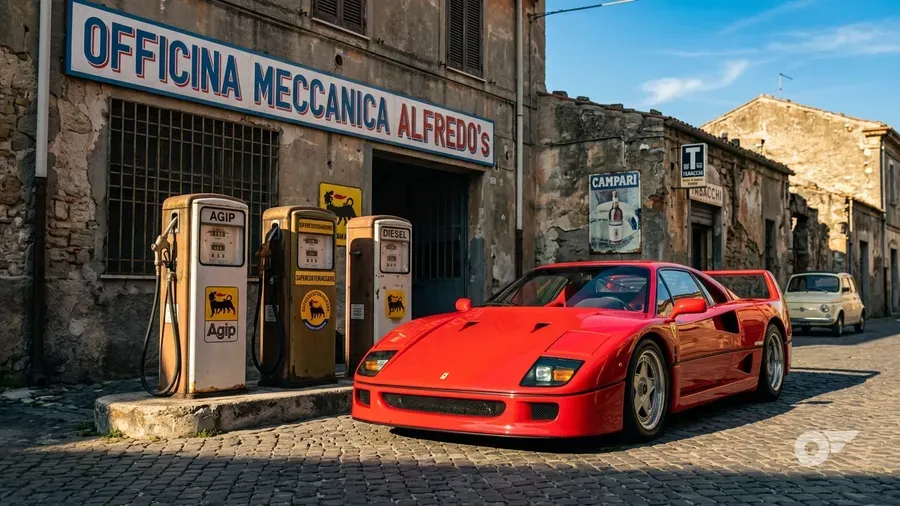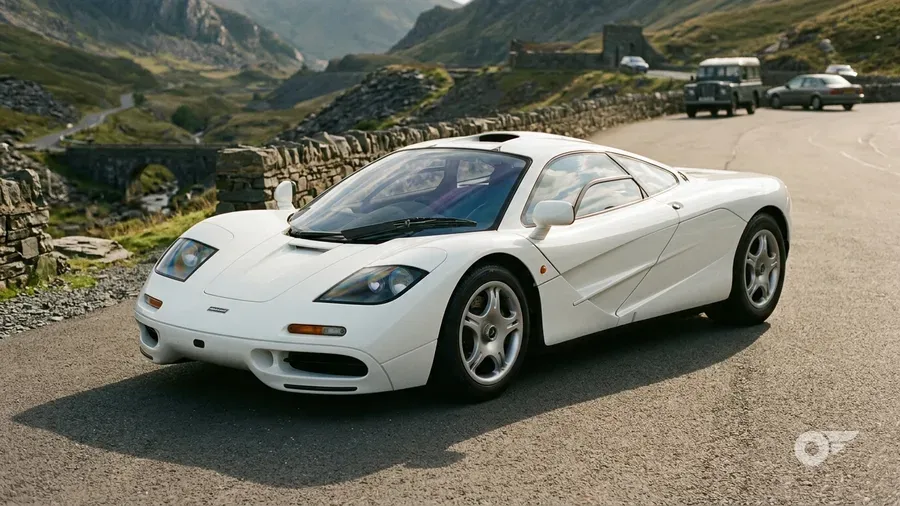
Jaguar XJ-S
We haven’t profiled this car yet. Request to add

The defining attributes and collector status that make this car garage-worthy.


Rated 1 to 10 on the traits that matter for owning, driving, and holding on to a car like this.
Demand tier, price trend, and typical values by condition. Our own assessment, not a quoted valuation.
Values as of August 2026.
What anyone seriously considering this car should know first.
Cars from the same manufacturer family, like platform siblings or shared-era relatives.
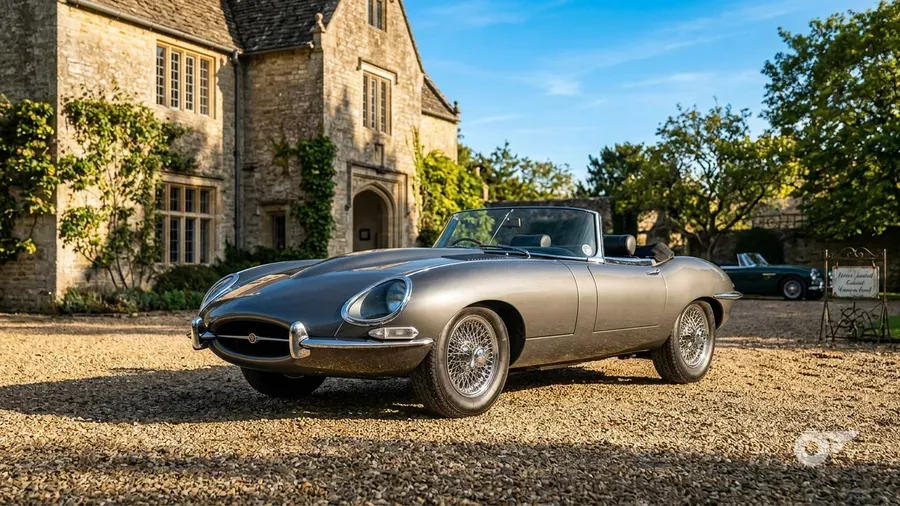
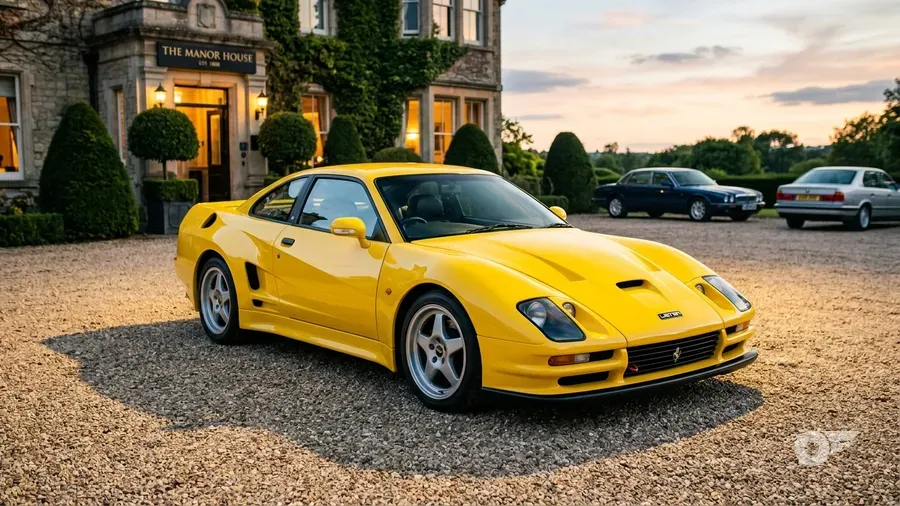
Cars from other manufacturers that competed for the same buyers when new.
The production car and effectively the whole run. Bonded aluminium honeycomb chassis with an integral roll cage, hand-formed aluminium panels by Abbey Panels, a 3,498cc twin-turbo Jaguar/TWR JV6 V6 rated at 550PS at 7,200rpm, a five-speed FF Developments transaxle and rear-wheel drive. No ABS and no brake servo. 1,470kg, 212.3mph in standard trim, and 4,930mm long by 2,009mm wide.
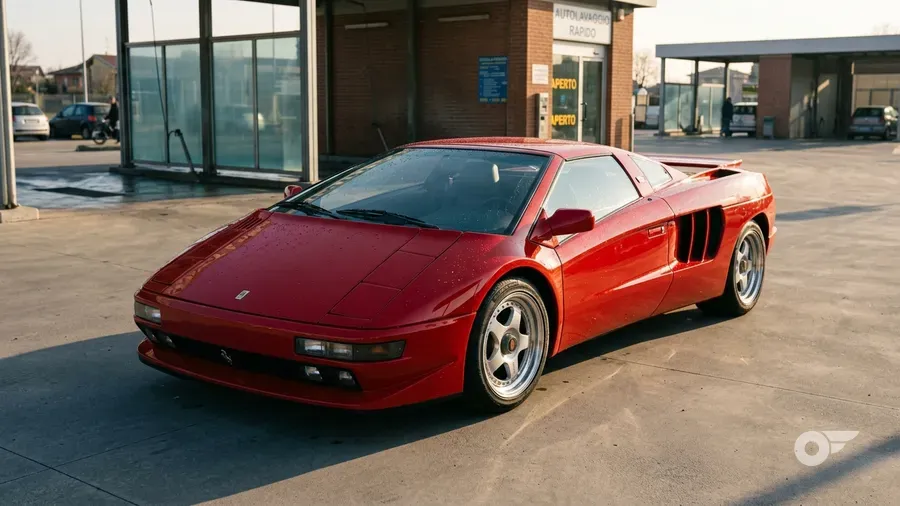
A single car built for Prince Jefri of Brunei. Rebodied to a Pininfarina design by the coachbuilder Coggiola, with fixed headlamps in place of the pop-ups, new tail lamps, a redesigned double-vane rear wing, a new interior package and dark green paint.
The racing car, launched at Autosport International in January 1993 for FISA GT competition. Won first time out at Silverstone in the BRDC National Sports GT Challenge with Win Percy driving. Three works cars ran the 1993 Le Mans 24 Hours and one won the GT class before the ACO disqualified all three over catalytic converters on a procedural technicality.
The one to want. TWR's road-going version of the XJ220-C race car: one-piece carbon-fibre front and rear bodywork, the JV6 taken to 700PS, the pop-up headlamps replaced by fixed perspex-covered units, Kevlar seats and the leather trim deleted. Colin Goodwin lapped Millbrook at a 180.4mph average in one for Autocar in June 1995.