Lancia Fulvia Series 2
We haven’t profiled this car yet. Request to add

The defining attributes and collector status that make this car garage-worthy.


Rated 1 to 10 on the traits that matter for owning, driving, and holding on to a car like this.
Demand tier, price trend, and typical values by condition. Our own assessment, not a quoted valuation.
Values as of August 2026.
What anyone seriously considering this car should know first.
Cars from the same manufacturer family, like platform siblings or shared-era relatives.
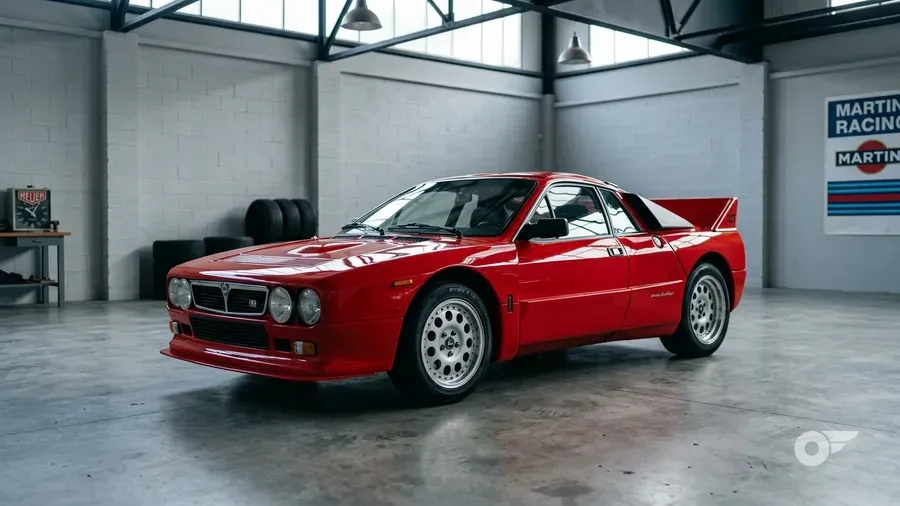
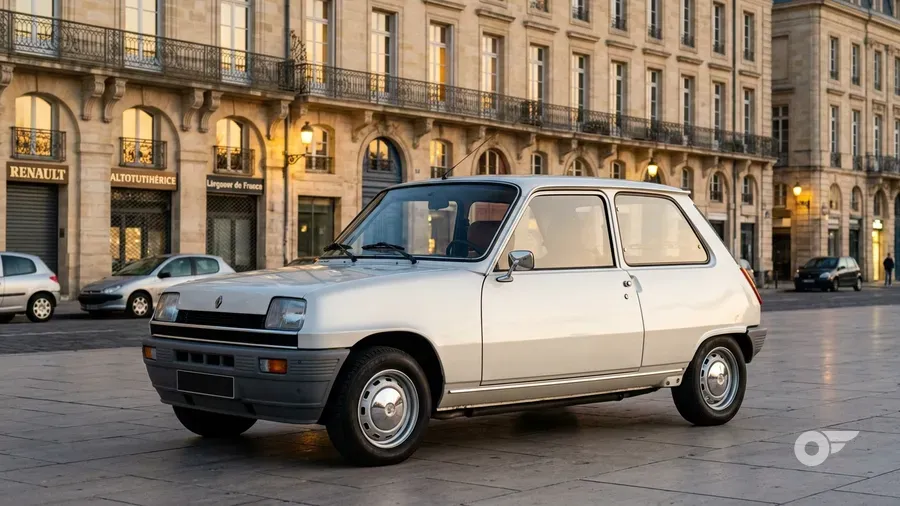
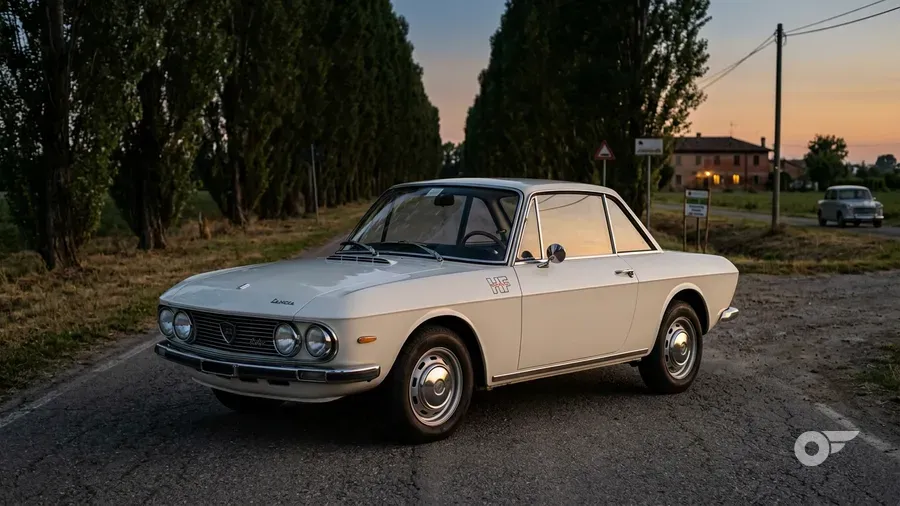
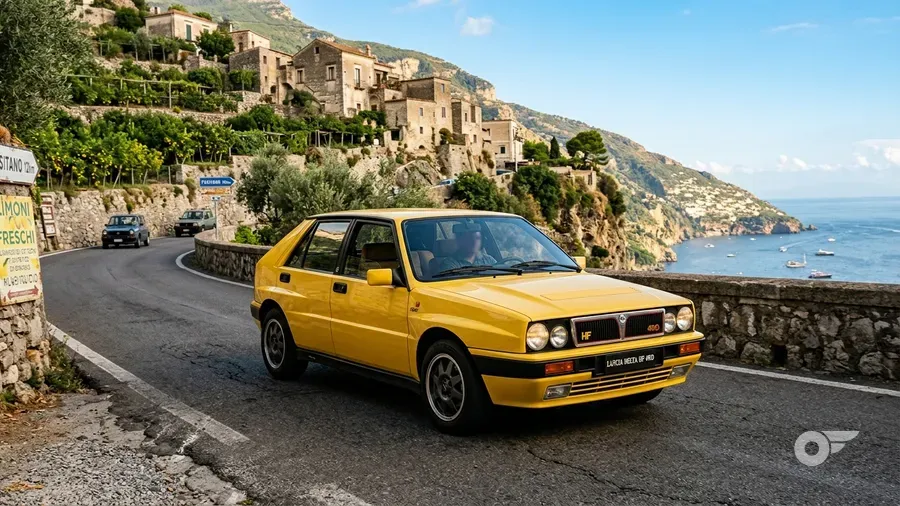
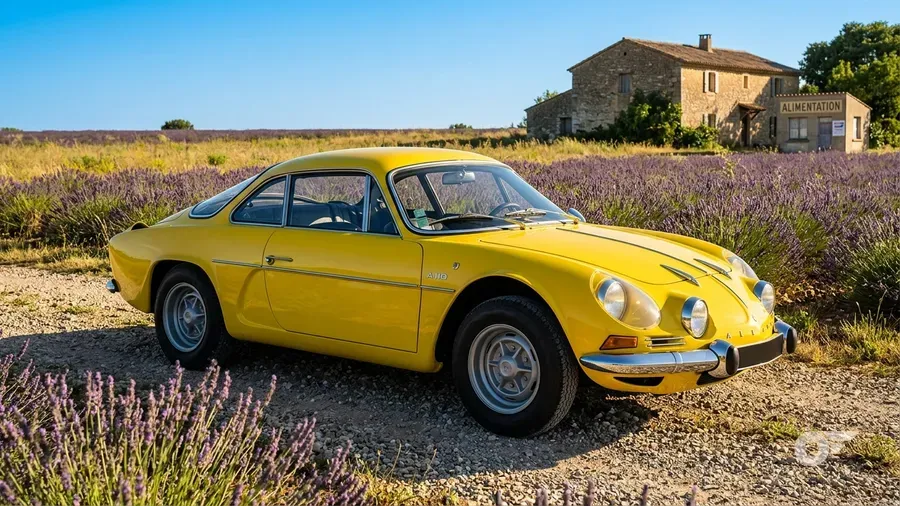
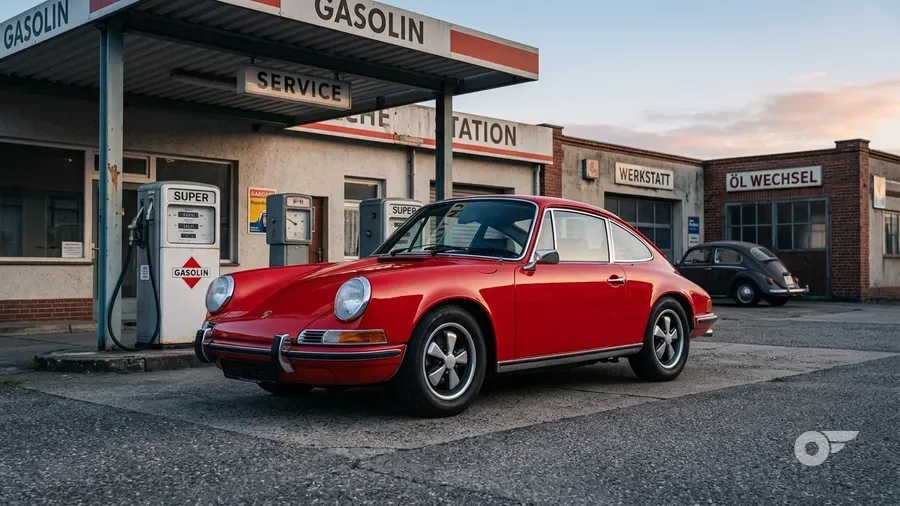
Cars from other manufacturers that competed for the same buyers when new.
The reason the road car existed. Stripped to roughly 880kg, running the competition version of the Dino V6 at about 275hp on twelve-valve heads and up to 320hp on twenty-four-valve competition heads, on wider wheels with Lockheed brakes. Homologated for Group 4 on 1 October 1974. This is the car that took eighteen World Rally Championship wins between 1974 and 1981 and three consecutive manufacturers' titles, in Alitalia, Marlboro and Pirelli colours among others. A works car with documented event history is the top of the model's market by a wide margin.
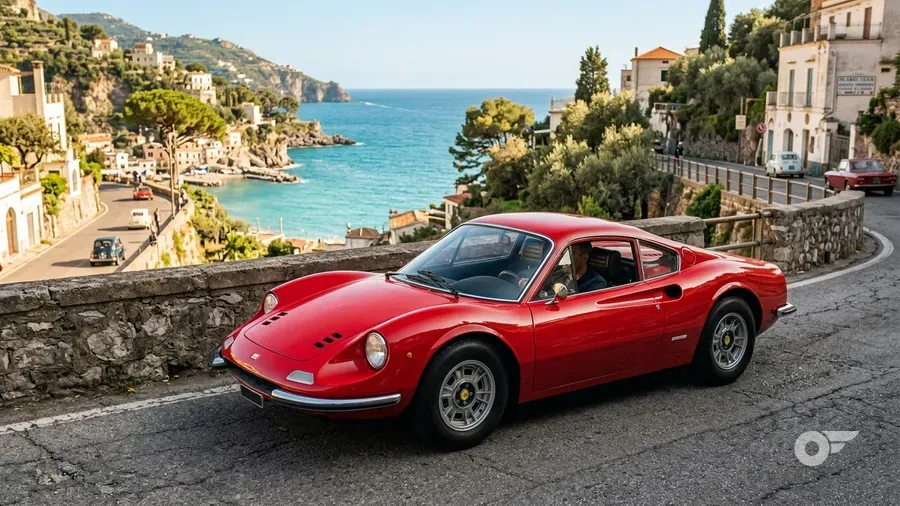
The road car, and the only specification sold to the public. Glassfibre body over a steel spaceframe with an integral roll cage, 2,418cc Ferrari Dino V6 mounted transversely behind the seats, three Weber 40 IDF carburettors, 190hp at 7,000rpm, five-speed Ferrari-derived gearbox with a ZF limited-slip differential, 980kg. Left-hand drive only, with unassisted steering and unservoed Girling discs. Trim ran to Alcantara, vinyl or a mix, in tan, blue or black, and the door cards have a moulded pocket for a crash helmet. The rear wing and cockpit aerofoil were homologated on 1 November 1974 and fitted to most of the cars still unsold, so a winged Stradale is period-correct.
The circuit experiment. Two silhouette cars built to Group 5 rules for closed-circuit endurance racing, with the powertrain and aerodynamics engineered by Nicola Materazzi, later of Ferrari F40 fame. It won the 1976 Giro d'Italia, an event that mixed road stages with circuit racing and suited it, but on pure circuits it could not live with the Porsche 935s and the programme was retired during 1977.