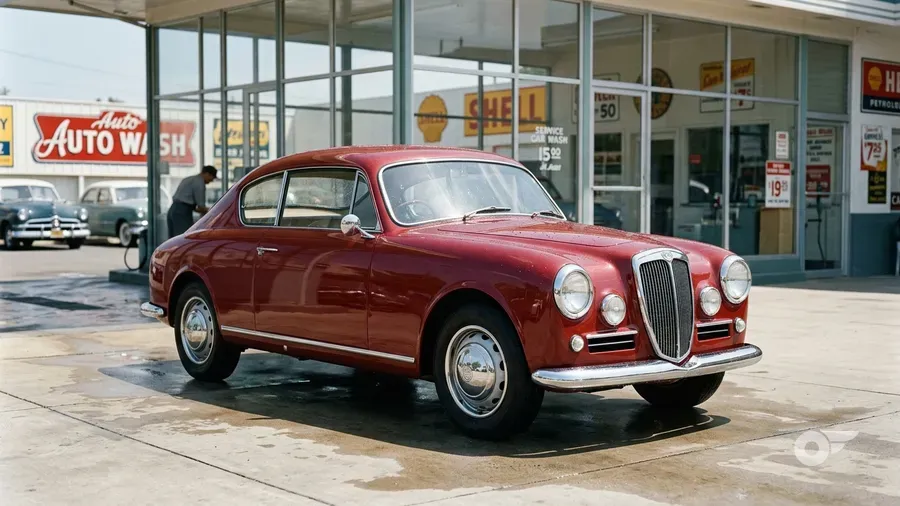
Lancia Aurelia B20
Italy·Grand Tourer·1951–1958

The defining attributes and collector status that make this car garage-worthy.

Rated 1 to 10 on the traits that matter for owning, driving, and holding on to a car like this.
Demand tier, price trend, and typical values by condition, based on recent sales data.
Values as of August 2026.
What anyone seriously considering this car should know first.
Cars from the same manufacturer family, like platform siblings or shared-era relatives.
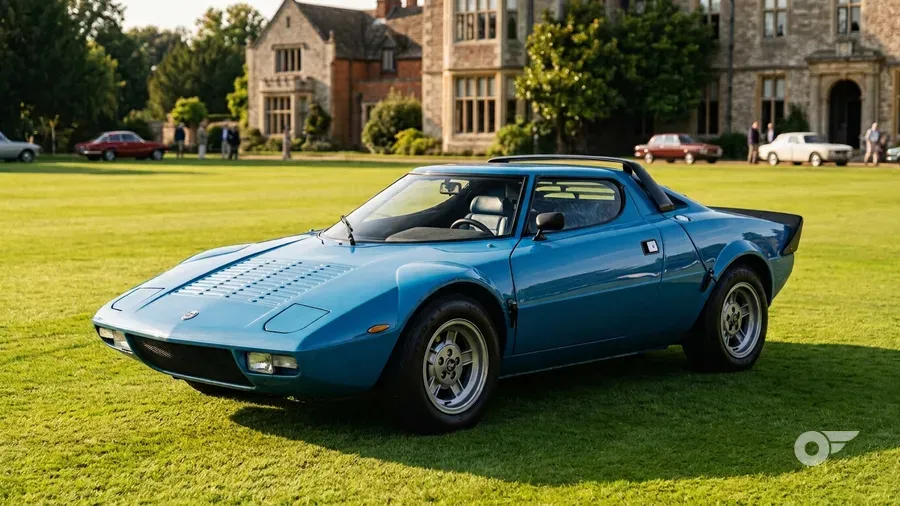
Cars from other manufacturers that competed for the same buyers when new.
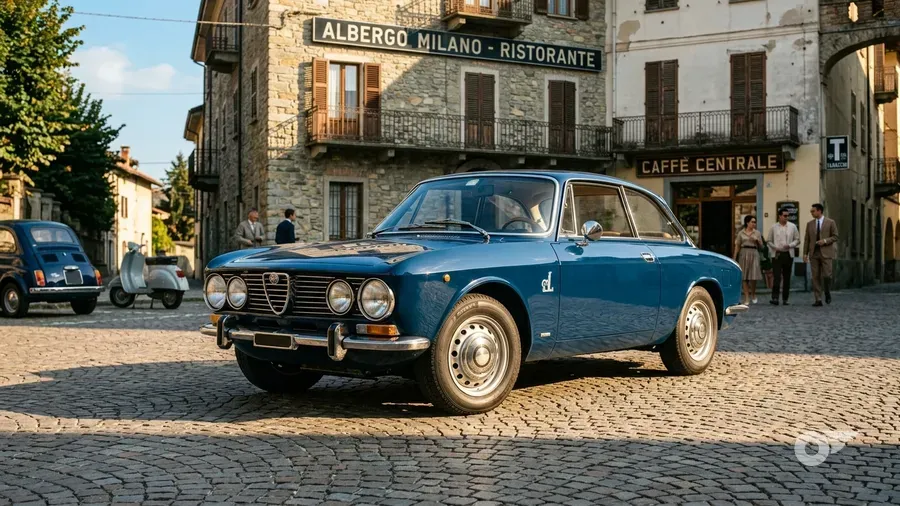
The car that started it, and the only Fulvia with the 1,091cc V4. Single twin-choke Solex, 58 CV, four disc brakes at a price point where rivals had drums.
Twin Solex carburettors lifted it to 71 CV, with revised front subframe mountings and radial tyres. Identified by the enamelled 2C grille badge and the Fulvia 2C script on the tail.
Greece-only saloon built around local displacement taxation, using a 1,199cc version of the V4 rated at 79 PS.
The saloon with the coupé's engine, 1,216cc and later 1,231cc, 80 CV at 6,000rpm. Enamelled GT grille badge.
The quick saloon and the cheapest way into a 1,298cc Fulvia. 87 CV, the Rallye 1.3's engine, plus a brake servo.
Castagnero's coupé on a wheelbase 150mm shorter than the Berlina's, with the 1,216cc engine, enlarged to 1,231cc for 1967. 80 CV.
The first competition Fulvia sold to the public. 88 CV, bumpers deleted, aluminium bonnet, doors and boot lid, Plexiglas side and rear windows, and bare steel wheels without hubcaps.
The 1,298cc coupé at 87 CV, and the point at which the Fulvia coupé became a range rather than a single model.
101 CV at 6,400rpm from a tuned 1,298cc V4. The homologation coupé you can still use without treating it as an investment.
92 CV and the sweetest of the ordinary coupés. This is the volume Series 1 car and the one most buyers should be looking at.
The grail. 1,584cc and 115 CV, close-ratio five-speed, negative-camber front geometry, 13-inch alloys and arch extensions. Named for the oversized inner headlamps fitted because rally rules capped auxiliary lights.
Ercole Spada's aluminium fastback on the coupé floorpan, with the 1,216cc engine, a right-hinged bonnet and an electrically raised rear hatch for cabin ventilation.
The Sport with the 1,298cc engine at 87 CV, homologated as a 2+1 rather than a two-seater. Early cars keep the all-aluminium shell, later ones use steel with aluminium bonnet, doors and spare wheel hatch.
92 CV, normally fitted with a brake servo, and recognised by larger hubcaps carrying the Lancia flag logo.
Zagato's track version of the Sport: twin round headlamps of different sizes under flush Plexiglas, mesh grille, widened fenders, Plexiglas glazing, quick-fill filler and a 155 PS engine.