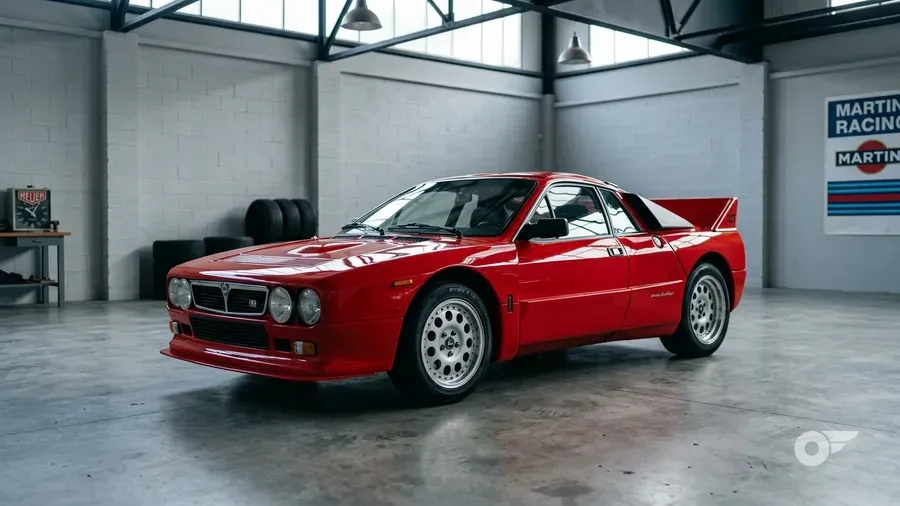
Lancia Rally 037
Italy·Sports·1982–1984

The defining attributes and collector status that make this car garage-worthy.

Rated 1 to 10 on the traits that matter for owning, driving, and holding on to a car like this.
Demand tier, price trend, and typical values by condition. Our own assessment, not a quoted valuation.
Values as of August 2026.
What anyone seriously considering this car should know first.
Cars from the same manufacturer family, like platform siblings or shared-era relatives.
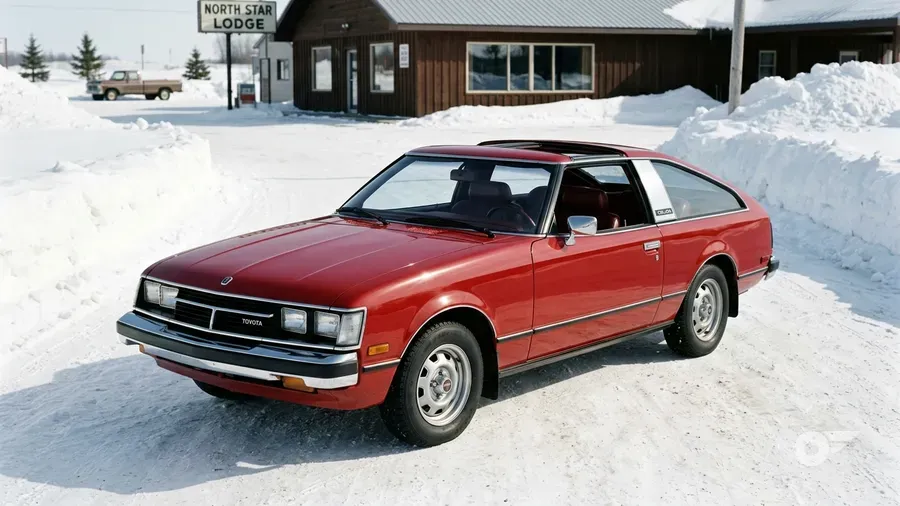
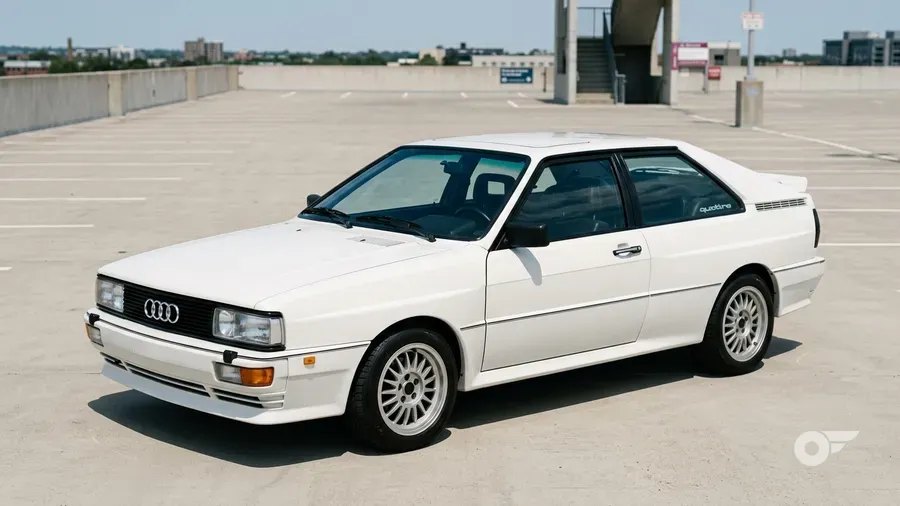
Cars from other manufacturers that competed for the same buyers when new.
The performance grade, and as on the previous Celica it means two different cars. In Japan and Europe the GT carries a twin-cam, the 2.0-litre 18R-G at launch and later the 1.6-litre 4A-GE. In North America it is a trim level above the ST with the same 2.4-litre four, the five-speed and the liftback body option.
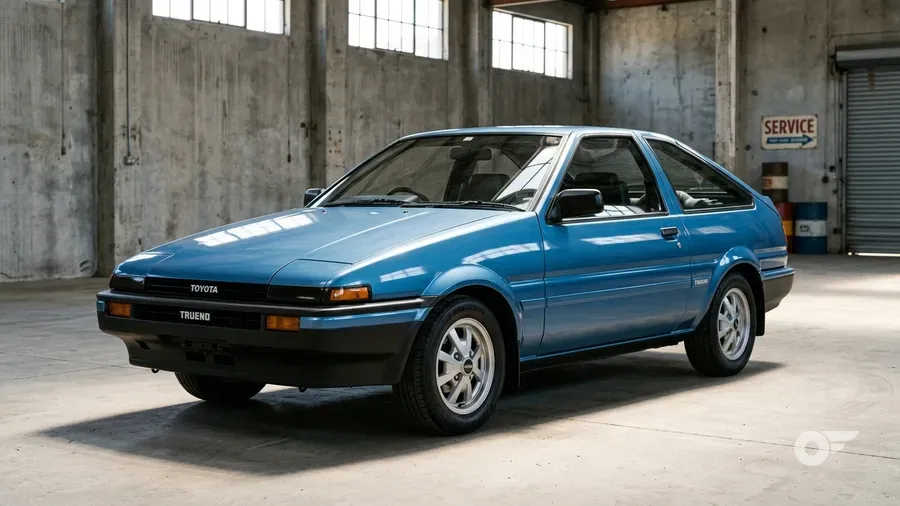
Post-facelift Japanese 1600 GT-R, powered by the 4A-GE twin-cam. The same engine, in the same years, that makes the AE86 what it is, in a heavier and more comfortable rear-drive coupe. The connoisseur's naturally aspirated pick of the generation.
The North American sporting Celica, and the one most buyers will actually meet. Independent rear suspension in place of the live axle, fender flares, wider wheels and tyres, and fuel injection from 1983. It began life as an S package on the GT for 1982 and became a standalone trim badged GT-S.
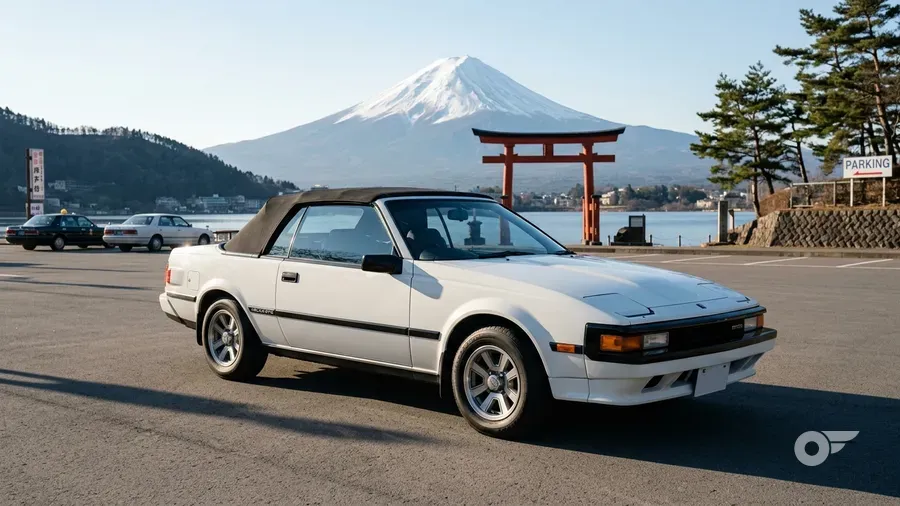
The only open A60, and it was not built by Toyota. Finished bodies were shipped to American Sunroof Company in Long Beach, California, which cut the roof off and engineered the folding top. Rare when new and rarer now, and it is where the top of the generation's market currently sits.
Japan's turbocharged Celica, and the first turbo Celica of any kind. The 1.8-litre 3T-GTE twin-cam turbo replaced the 2.0-litre 18R-G at the top of the Japanese range. Laggy and then suddenly forceful, which is exactly what an early-1980s Japanese turbo felt like.
The Group B homologation car, and the grail of the generation. Built to the 200 units the regulations demanded, with a 1,791cc 4T-GTEU turbo twin-cam and a deliberately plain specification, because its only job was to make the works Celica Twin-Cam Turbo legal. Toyota Team Europe then built twenty evolution rally cars on top of it. Most road cars were used up, rallied or rusted; survivors are genuinely rare.
The volume grade worldwide and the only one below GT in North America. In America it is a 2.4-litre car on a live rear axle, plainly trimmed and honestly built. The cheapest way into the generation today and a better-looking car than its reputation suggests.
Japanese entry grade, carburettor 1.8-litre 1S-U, minimal equipment. The grade that explains how the A60 sold in the volumes it did at home, and the one nobody kept.
Japanese grade sitting above ST, pitched at buyers who wanted the shape and the equipment without the twin-cam. Continued after the 1983 facelift on the 1.8-litre 1S-U.