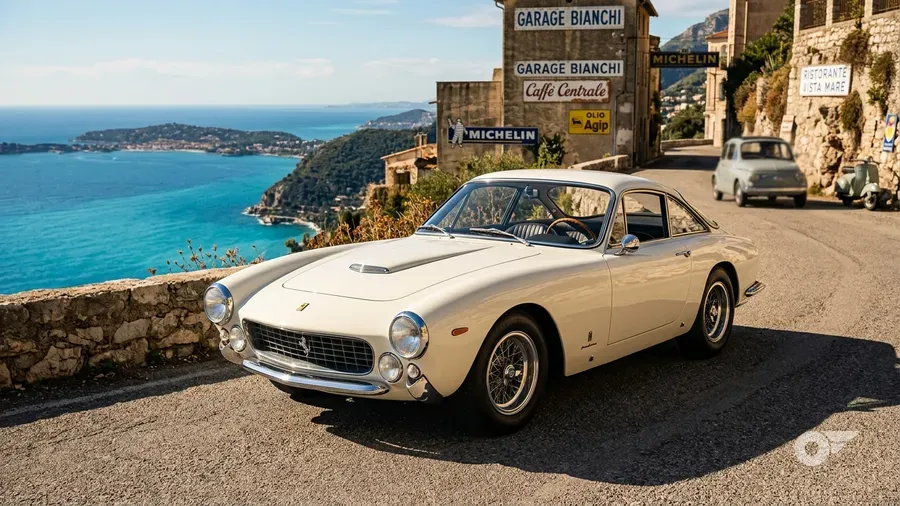
Ferrari 250 GT SWB
Italy·Sports·1959–1963

The defining attributes and collector status that make this car garage-worthy.


Rated 1 to 10 on the traits that matter for owning, driving, and holding on to a car like this.
Demand tier, price trend, and typical values by condition. Our own assessment, not a quoted valuation.
Values as of August 2026.
What anyone seriously considering this car should know first.
Cars from the same manufacturer family, like platform siblings or shared-era relatives.
Cars from other manufacturers that competed for the same buyers when new.
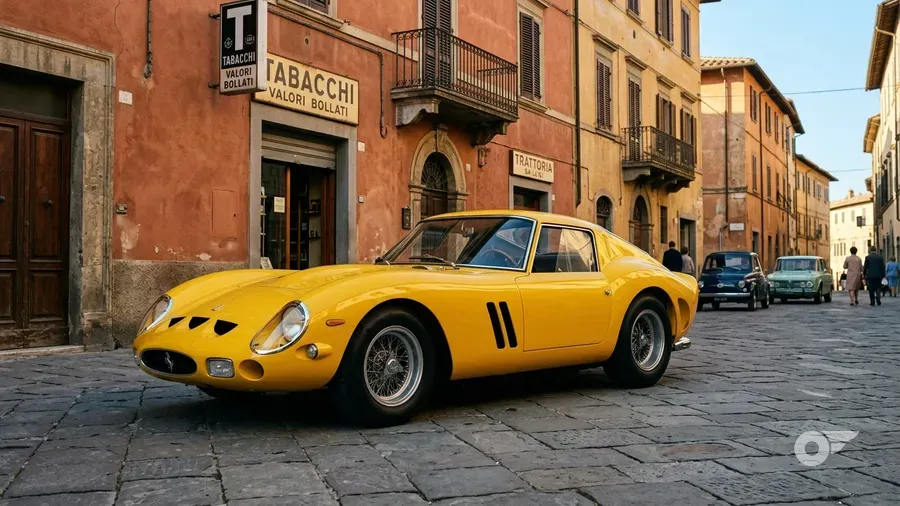
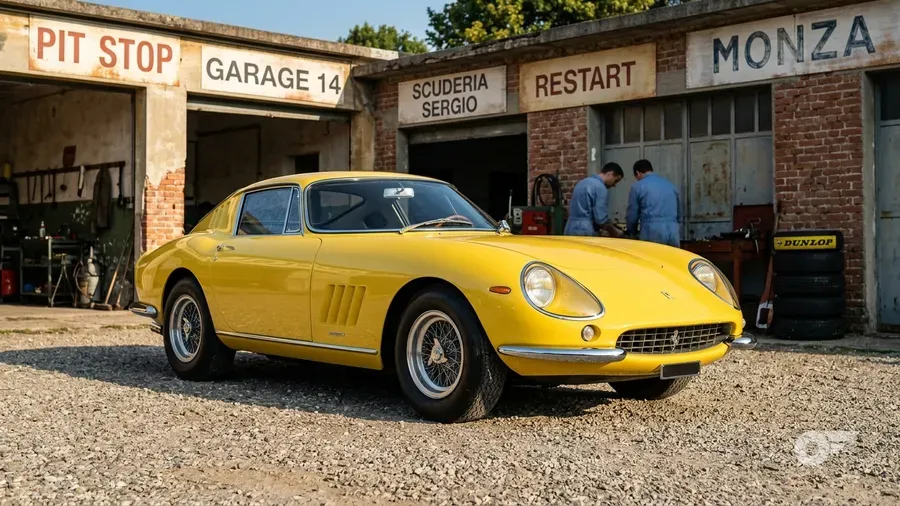
The original car, on the 2,600mm long-wheelbase 250 GT chassis with the Tipo 128 Colombo V12 rated at 240hp at 7,000rpm. Steel bodywork over a tubular frame with aluminium opening panels, hand-formed at Carrozzeria Scaglietti. Drum brakes at first, Dunlop discs from late 1959. Headlights covered in faired plexiglass or open in chrome rims at the customer's choice, except on cars sold new in Italy in 1959, where regulations forced the open type. The softer-riding, longer-legged car of the two wheelbases, and the one to take across a country.
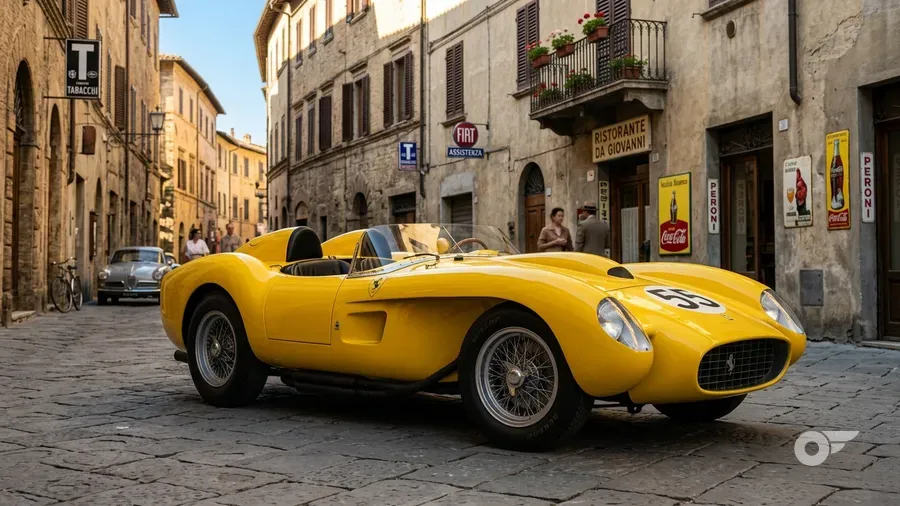
The factory competition version of the long-wheelbase car, bodied in aluminium and specified for racing rather than boulevards: outside-plug Tipo 128F engines with Testa Rossa camshafts, 40mm Weber carburettors, engine oil coolers, uprated suspension and long-distance fuel tanks. These are the cars that gave the model its competition record, and they sit at the top of the generation's value hierarchy.
The second series, on the 2,400mm short-wheelbase 250 GT chassis, with the Tipo 168 Colombo V12 producing roughly 280hp thanks to larger valves and improved breathing, and four-wheel Dunlop disc brakes as standard. Squarer and more purposeful in stance, sharper on turn-in, and mechanically the same car underneath as the 250 GT SWB Berlinetta. This is the version the market chases hardest, with covered-headlight examples the collector preference.
The short-wheelbase equivalent of the alloy competition cars, built in aluminium to race specification. Very few were made, and they raced far less than the long-wheelbase Competiziones did, which is part of why they command what they do. Chassis 2383 GT is the reference example and the most valuable California Spyder ever sold at public auction.