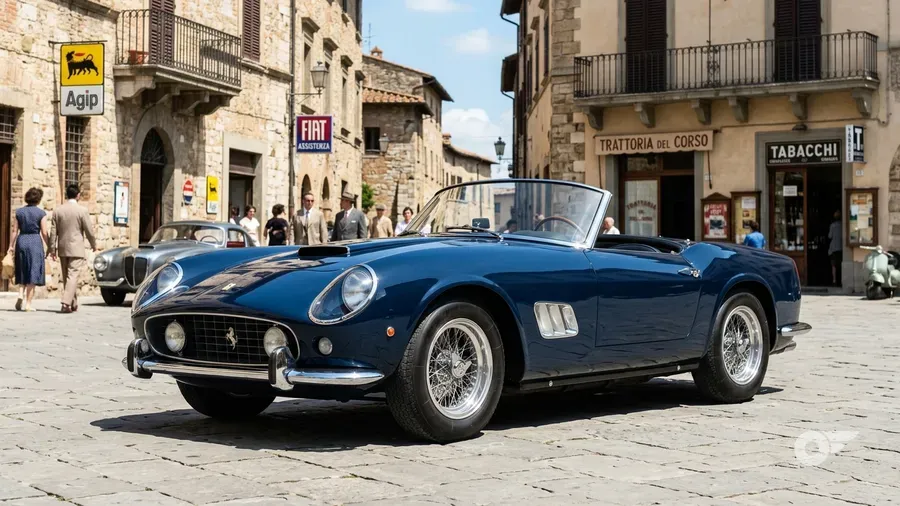
Ferrari 250 GT California Spyder LWB/SWB
Italy·Sports·1958–1963

The defining attributes and collector status that make this car garage-worthy.


Rated 1 to 10 on the traits that matter for owning, driving, and holding on to a car like this.
Demand tier, price trend, and typical values by condition. Our own assessment, not a quoted valuation.
Values as of August 2026.
What anyone seriously considering this car should know first.
Cars from the same manufacturer family, like platform siblings or shared-era relatives.
Cars from other manufacturers that competed for the same buyers when new.
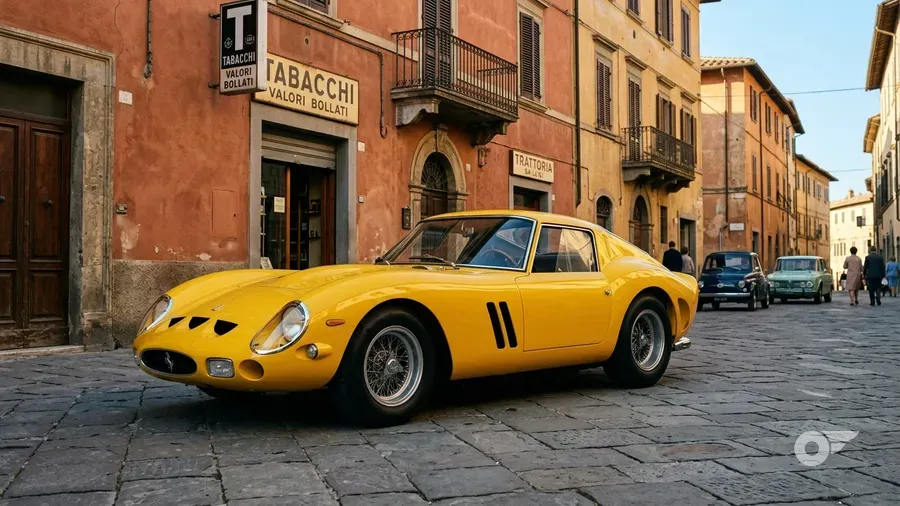
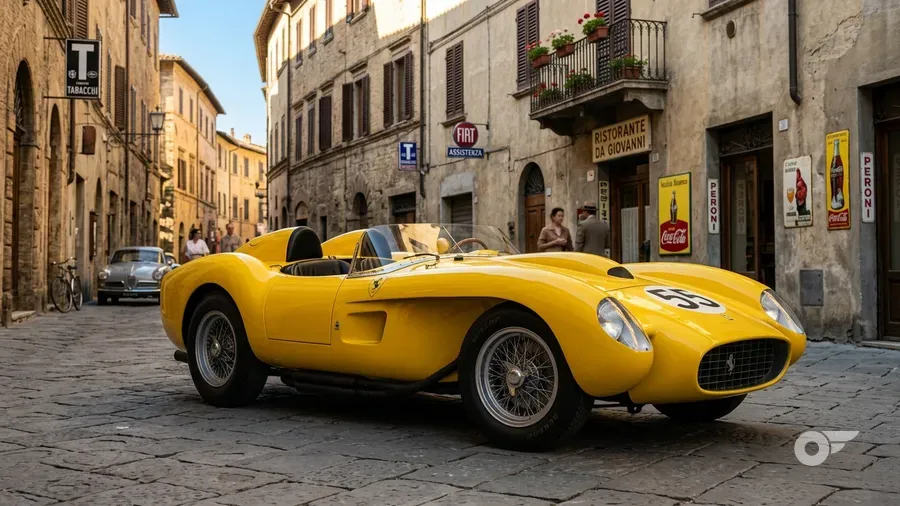
The aluminium-bodied racing version, sold to customers who intended to enter it. Lighter body, higher-output engine, larger fuel tank and sparse interior trim. This is the specification that won the GT class at Le Mans in 1960 and 1961 and took the Tour de France Automobile outright three years running.
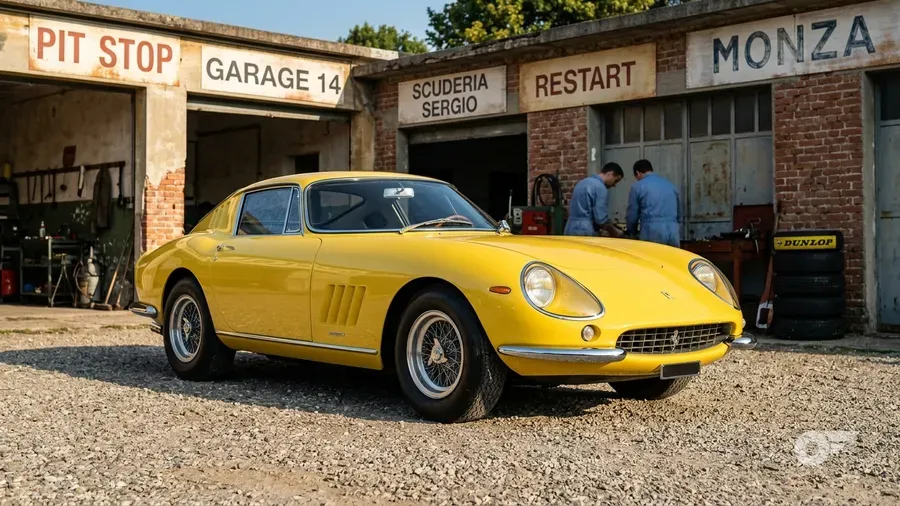
The steel-bodied road car, and the volume seller. Same 2,400mm chassis, same Colombo V12 and same Dunlop discs as the racing cars, with more trim, more sound deadening and a milder state of tune. Ferrari never treated it as the lesser version, and buyers could specify competition parts on a lusso if they wanted them.
The factory lightweights, and the grail of the model. The Tipo 539/61 chassis with revised rear suspension pickups, smaller-diameter tubing and extra bracing, skinned in 1.1mm aluminium, with the Tipo 168B/61 engine: Testa Rossa cylinder heads, high-lift camshafts, enlarged intake tracts and six Weber 46 DCF/3 carburettors for close to 300hp.