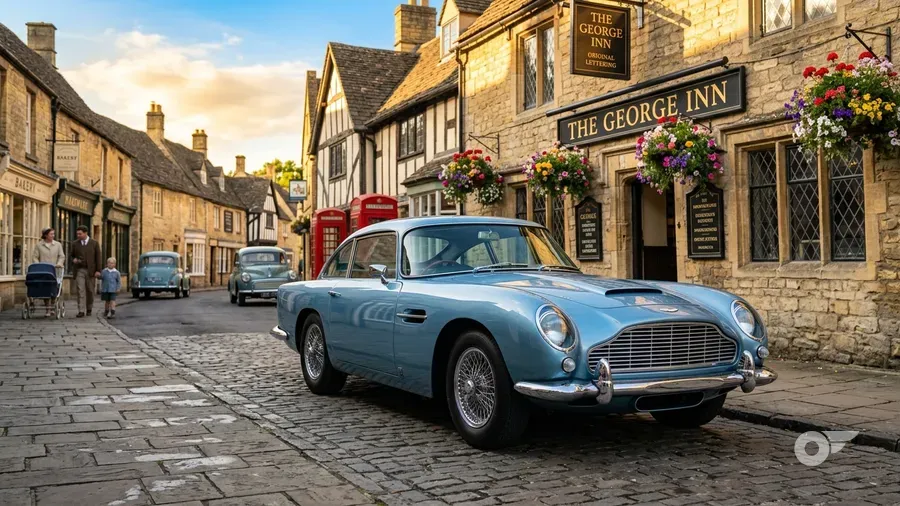
Aston Martin DB Mark III
We haven’t profiled this car yet. Request to add

The defining attributes and collector status that make this car garage-worthy.


Rated 1 to 10 on the traits that matter for owning, driving, and holding on to a car like this.
Demand tier, price trend, and typical values by condition. Our own assessment, not a quoted valuation.
Values as of July 2026.
What anyone seriously considering this car should know first.
Cars from the same manufacturer family, like platform siblings or shared-era relatives.
Cars from other manufacturers that competed for the same buyers when new.
Drophead version of the saloon, introduced October 1961 with in-house styling echoing the Touring coupe. A rare factory steel hardtop was offered alongside the soft top.
Lightweight, short-wheelbase GT with enclosed headlamps, thinner aluminium skin, twin-plug ignition and triple Weber carburettors for 302bhp. Built to fight the Ferrari 250 GT in customer GT racing; a Silverstone class win for Stirling Moss in the prototype preceded production.
GT chassis rebodied in aluminium by Zagato of Milan: plain oval grille, smoothed tail with no fins, further weight saved over the standard GT. Works and privateer examples raced against Ferrari 250 GT SWBs and GTOs through the early 1960s, including Jim Clark in '2 VEV' at the Goodwood Tourist Trophy.
High-performance engine option introduced with Series IV: triple SU carburettors and revised cylinder heads for 266bhp, offered on both the saloon and the convertible. Most Vantage-engined cars also carry the DB4 GT's enclosed headlamps.