Plymouth Duster
We haven’t profiled this car yet. Request to add

The defining attributes and collector status that make this car garage-worthy.


Rated 1 to 10 on the traits that matter for owning, driving, and holding on to a car like this.
Demand tier, price trend, and typical values by condition. Our own assessment, not a quoted valuation.
Values as of August 2026.
What anyone seriously considering this car should know first.
Cars from the same manufacturer family, like platform siblings or shared-era relatives.
Cars from other manufacturers that competed for the same buyers when new.
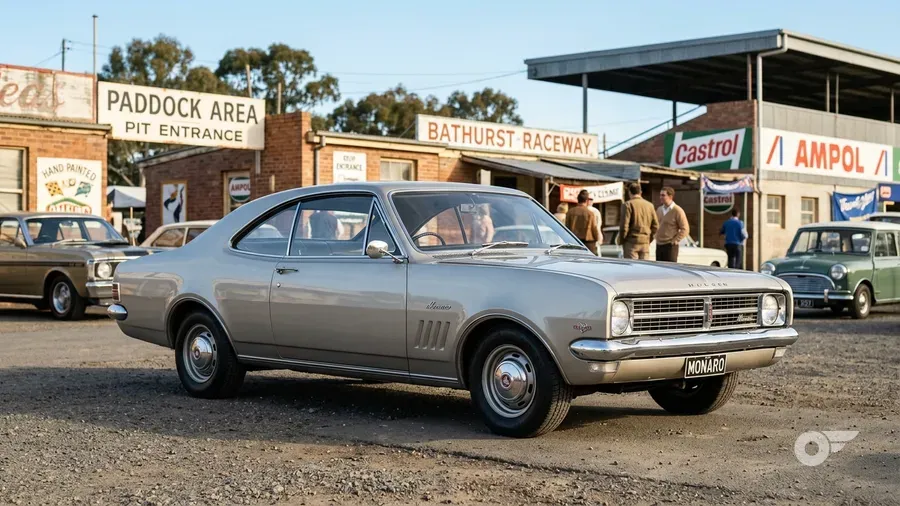
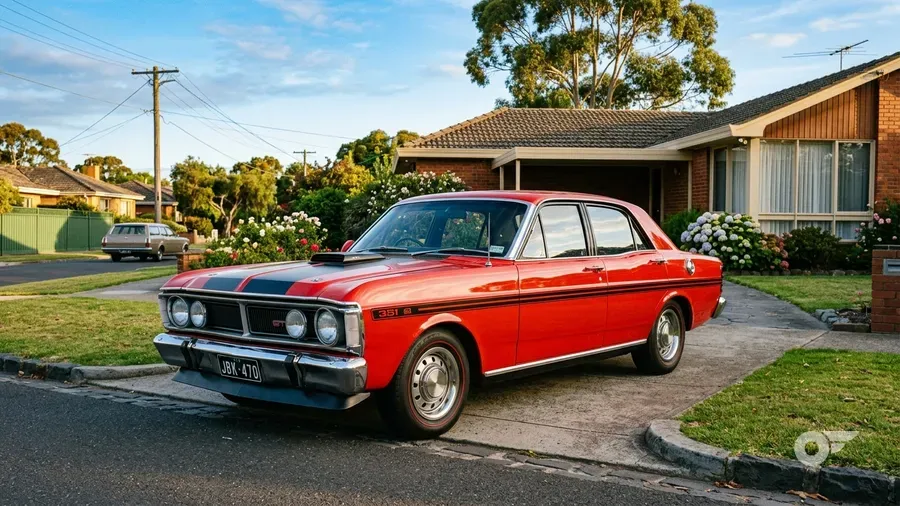
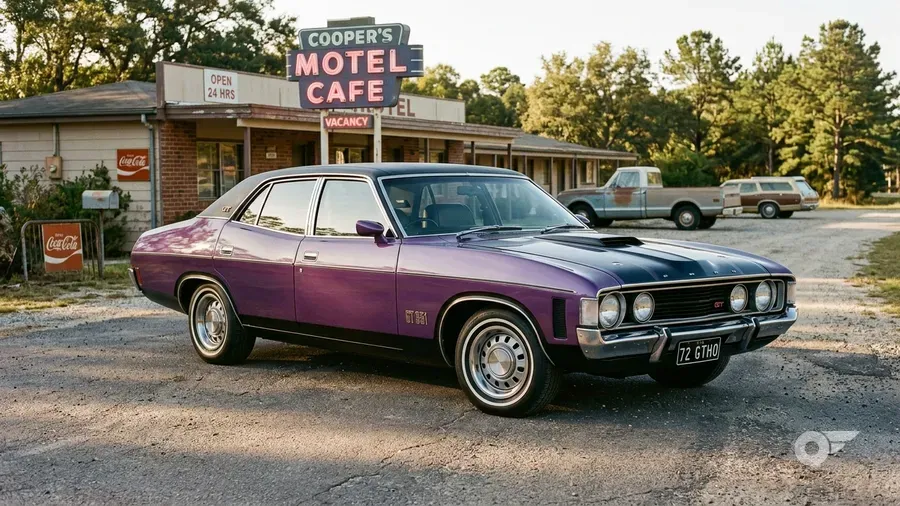
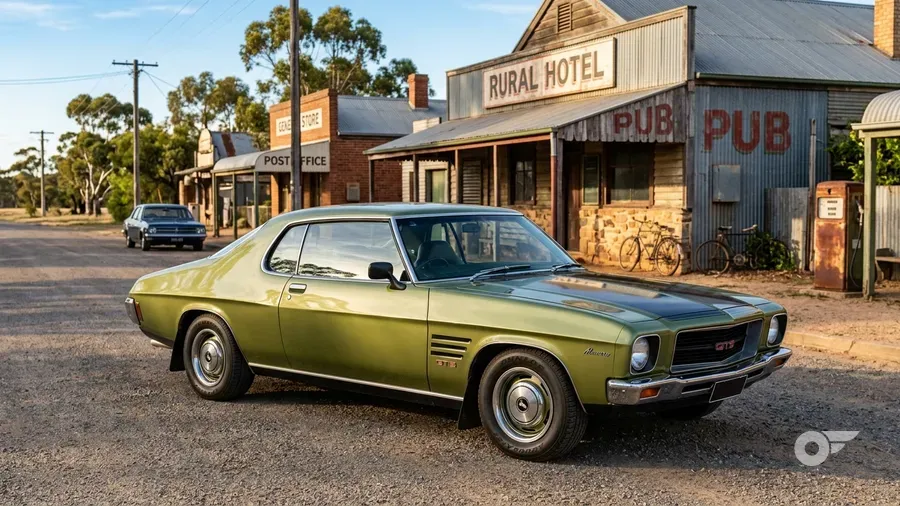
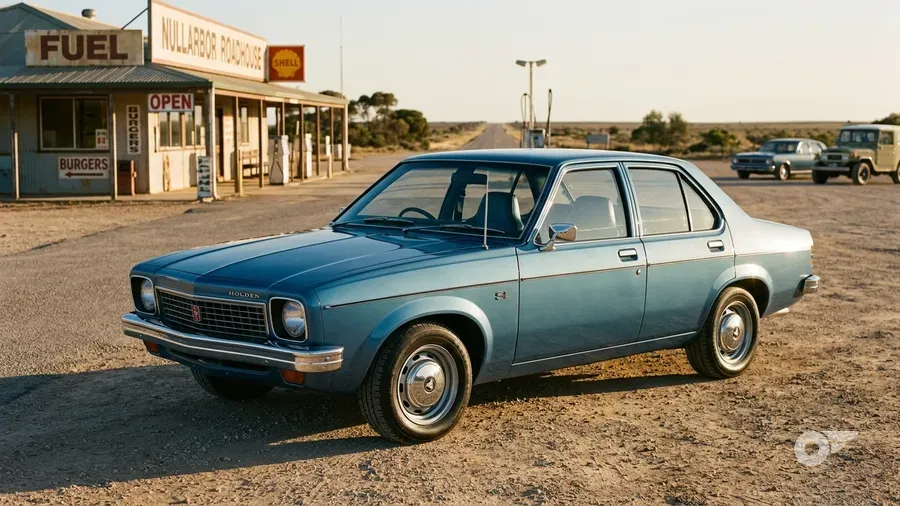
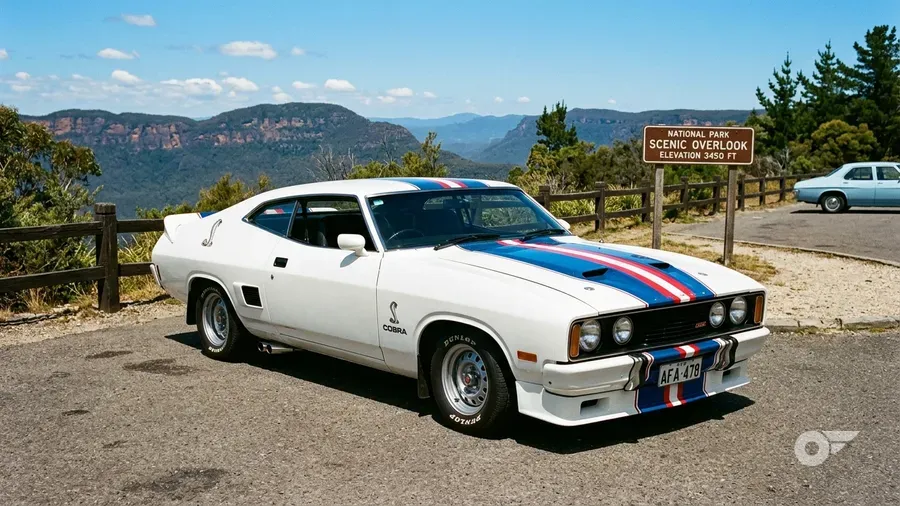
The entry car, and the reason the whole range worked. A 215ci Hemi six, a three-speed manual and A$2,795 at launch put the shape within reach of buyers who were never going to see an R/T, which is how a two-door ended up outselling the sedan it was cut from. VH only; the plain Charger badge did not survive into the VJ.
The volume car, and the one you will actually find. Launched with the 265ci Hemi six at 203bhp and a three-speed automatic for A$3,625, or the 318ci V8 for A$4,105. It is the only Charger offered in all four series and the only one left by the CL, when the choice narrowed to a 4.3 six or a 5.2 V8. Every engine option that was not an R/T hung off this model.
The Six Pack carried into the VJ, in street tune. Essentially the E37 engine at 248bhp, now behind a four-speed manual and sold as an option on the 770 rather than as an R/T. It is the last triple-Weber Charger of any kind: the VK dropped the option entirely and left only the plain 4.3 six.
The accidental special. Chrysler imported 336 340ci four-barrel V8s to homologate an R/T V8 that its own testing then killed, and recovered the outlay by selling the engines in a Special Edition 770: 275bhp, a TorqueFlite 727 automatic, a single-pipe exhaust and seven-inch alloys. Vintage Red, Limelight or Sunfire only, with black and white vinyl trim and a turned-metal dash facia. Fast in a straight line, and no relation to the R/T whatsoever.
Road and Track: the performance model, and the only Charger built with racing in mind. The base R/T ran the 265ci Hemi at 218bhp with a three-speed manual, a 3.23 final drive against 2.92 elsewhere in the range, six-inch rims, a front anti-roll bar, a tachometer and an oil pressure gauge, for A$3,395. Every E-code below is an option pack bolted on top of this car, not a separate model.
Option A23, released August 1974 on the Charger XL. Vintage Red and white outside, black and white cloth inside, the standard 265ci six and a four-speed manual. Cosmetic rather than quick, and the first of the three run-out specials that carried the Charger through its last four years once the R/T was gone.
One step up. The 245ci Hemi six as standard, better trim, A$3,195 in 1971. It ran through the VH, VJ and VK, and was the base both the Sportsman and the White Knight Special were built on. In the CL the XL survived only as the K16 Police Pursuit Special, with the 318 V8 and an automatic, and was never sold to the public.
The last special and the last Charger. A cosmetic pack lifted from the Chrysler Drifter panel van and applied to the CL 770: Spinnaker White under option A34, or Impact Orange, Sundance Yellow or Harvest Gold under A49. The 4.3 six or the 5.2 V8, four-speed manual only. A cheerful way to finish, given what the range had started as.
Option A50, from July 1976, and by now badged Chrysler rather than Valiant. A cosmetic package on the XL with a front spoiler, bumpers and grille painted body colour, and white vinyl trim picked out in red. Half the run was Arctic White and half Amarante Red. The 4.3 six, manual or automatic.
The first Six Pack and the cheapest genuine one. Three sidedraught Weber 45 DCOE carburettors on the 265, 248bhp at 4,800rpm and 305lb-ft at 3,400 on 9.7:1 compression, three-speed manual. Blocks were hand-picked, the crank got a high-mass damper to cope with torsional vibration, and the main bearings ran full-circle oil grooves. This engine was the basis of Chrysler's 1971 touring car.
The one Chrysler actually raced in 1971. Same triple Webers, taken to 280bhp at 5,000rpm and 310lb-ft at 3,700 on 10.0:1 compression, with selected blocks, deeper main bearing caps on longer bolts, and a shot-peened crank and rods. Three-speed manual only. It ran a 14.8-second standing quarter with one gear change and 0 to 60mph in 6.3 seconds, which put it alongside a 351 Falcon GT-HO.
The grail, and the reason the model has a reputation outside Australia at all. 302bhp at 5,600rpm and 320lb-ft at 4,100, and the first Charger with four speeds, a locally developed Borg-Warner box. Internally close to the E38 but with revised piston clearances and a molybdenum-filled top ring. Wheels timed it at 6.1 seconds to 60mph, 14.1 to 100mph and 14.4 through the quarter, the fastest-accelerating car Australia had built. It cost A$3,975, exactly the same as an E38.