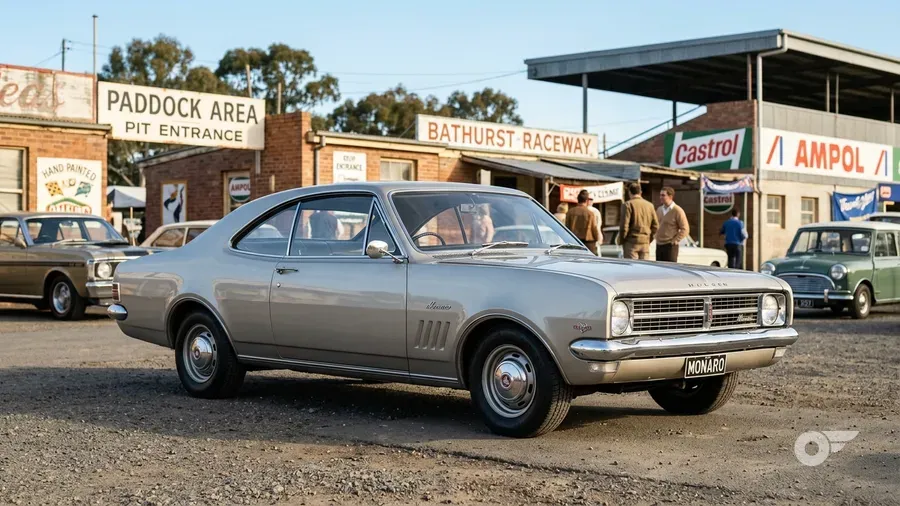
Holden Monaro 1st Gen
Australia·Muscle·1968–1971

The defining attributes and collector status that make this car garage-worthy.


Rated 1 to 10 on the traits that matter for owning, driving, and holding on to a car like this.
Demand tier, price trend, and typical values by condition, based on recent sales data.
Values as of August 2026.
What anyone seriously considering this car should know first.
Cars from the same manufacturer family, like platform siblings or shared-era relatives.
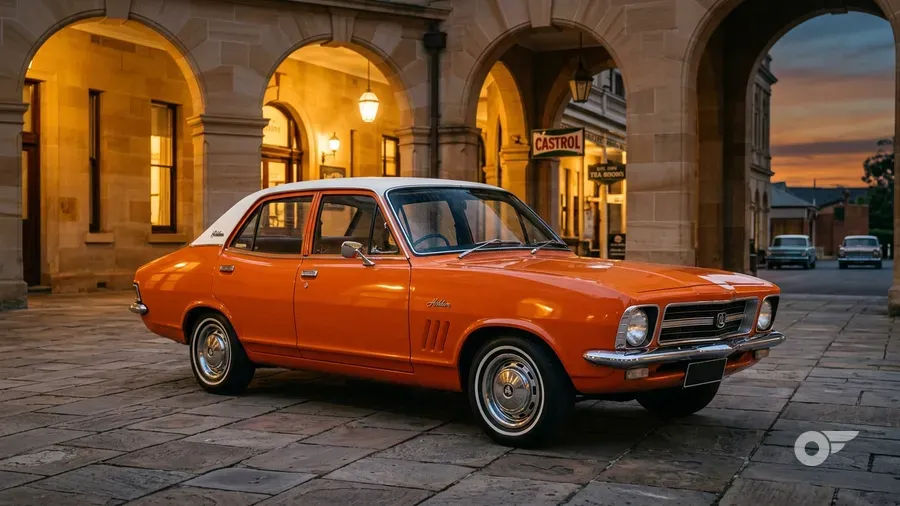
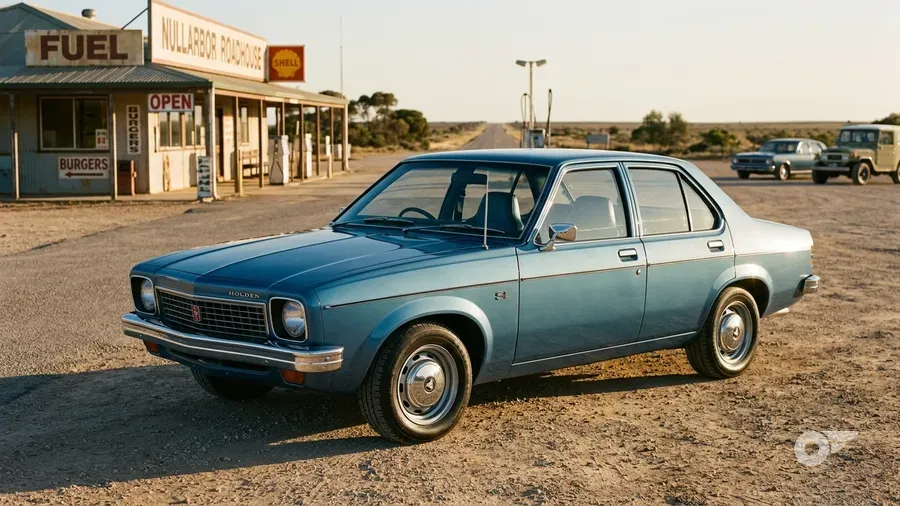
Cars from other manufacturers that competed for the same buyers when new.
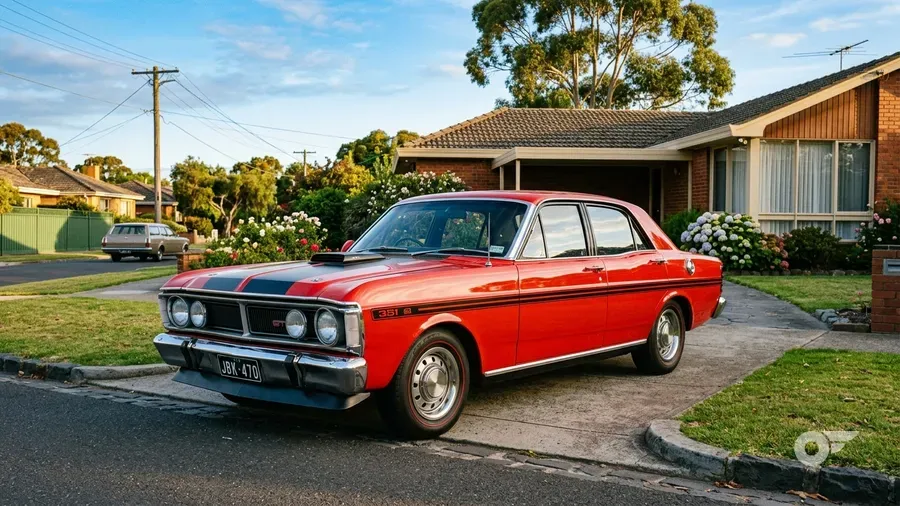
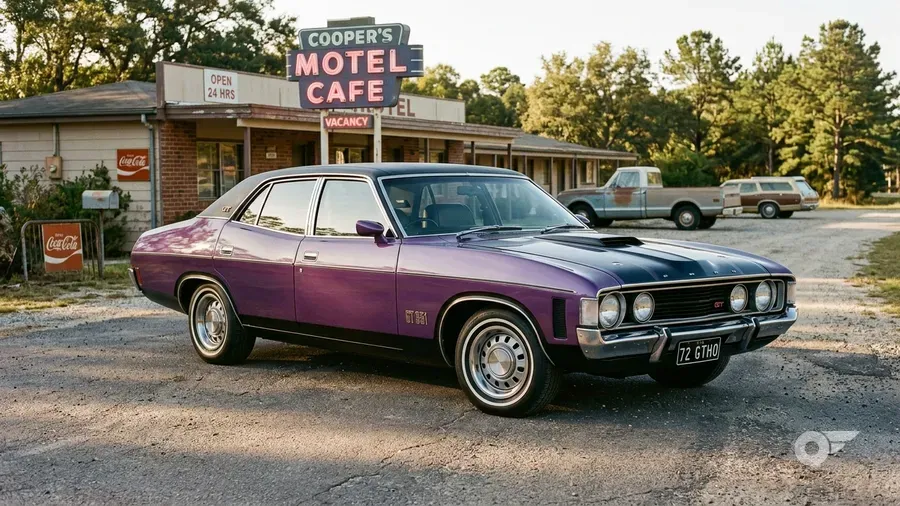
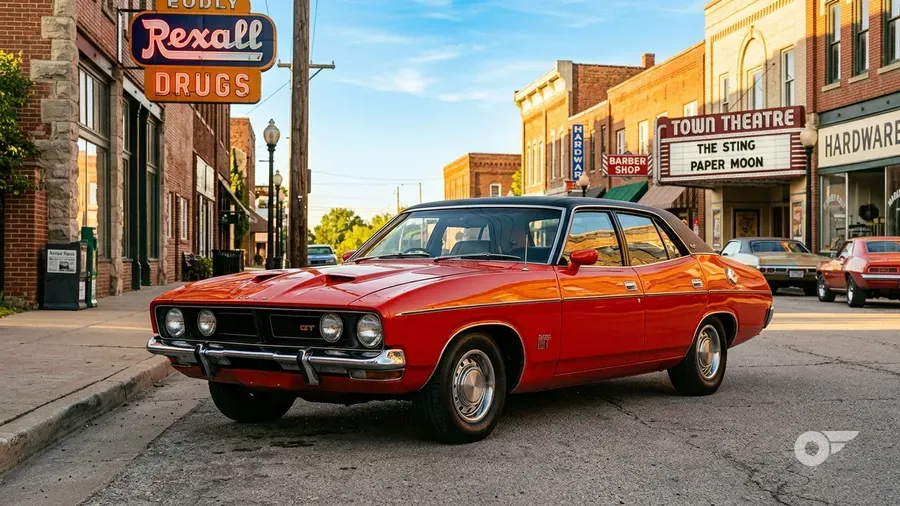
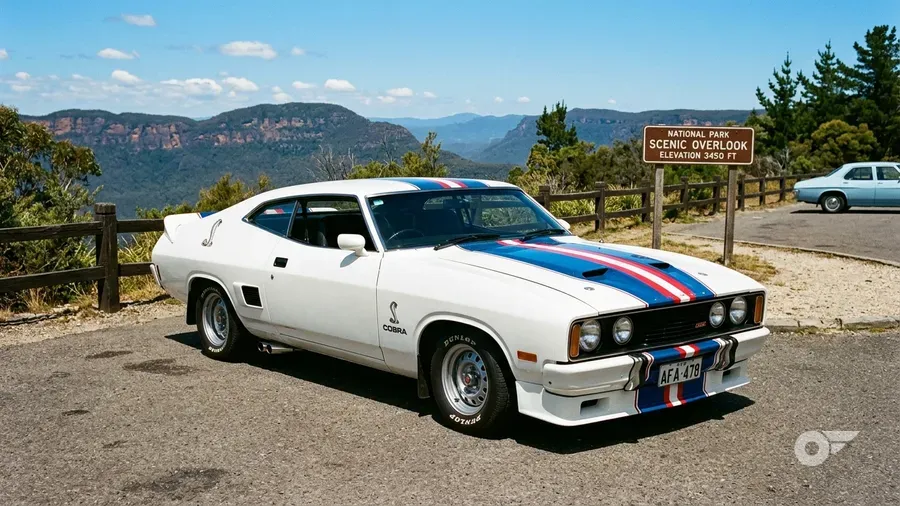
The end of the line, and the only one here with no Monaro badge at all: from October 1977 General Motors deleted the name and sold the car simply as a Holden GTS. Four-door only, quad headlights, spoilers at both ends, four-wheel disc brakes as standard and Holden's Radial Tuned Suspension, which makes it the best-handling car in the generation.
The coupe's send-off, built on leftover HJ two-door bodies and deliberately not badged as a Monaro. Exclusive metallic LE Red paint, gold honeycomb wheels, Caprice-grade interior and an eight-track player well after cassettes had arrived. Luxury rather than performance, and the last two-door Holden of the era.
The base HQ coupe, with a 173ci six and a three-speed manual as standard. Dropped when the HJ arrived in October 1974, which is why the second half of this generation has no entry-level two-door at all.
The performance coupe, V8 only, with either the 253 or the 308. The four-speed 308 is the sweet spot of the whole generation: quicker than an automatic 350, straightforward to authenticate and entirely Australian under the bonnet.
The last Chevrolet-engined Monaro. The imported 350ci V8 made 205kW at 4,800rpm and 488Nm at 3,200, with a Muncie four-speed or a Turbo-Hydramatic 400. Manual cars ran the quarter mile in under fifteen seconds; the automatic was slower than a manual 308 and much thirstier, which is why it was quietly dropped for the HJ.
Introduced in March 1973 as option packages on the V8 Kingswood sedan, XV4 for the GTS and XW8 for the GTS 350. It outlived the coupe: from the HX of 1976 the four-door was the only car in Australia still wearing a Monaro badge.
The luxury coupe rather than the fast one: quad headlights and chrome trim rings shared with the Premier sedan, better trim, and engines from the 202ci six up to the Chevrolet 350. Continued into the HJ, where it became one of the rarest cars in the range.