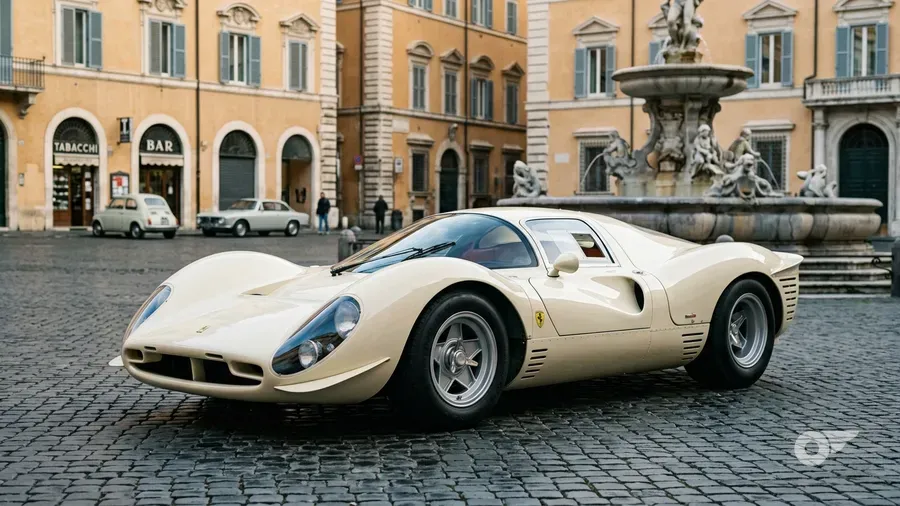
Ferrari 330 P4
Italy·Sports·1967–1967

The defining attributes and collector status that make this car garage-worthy.


Rated 1 to 10 on the traits that matter for owning, driving, and holding on to a car like this.
Demand tier, price trend, and typical values by condition. Our own assessment, not a quoted valuation.
What anyone seriously considering this car should know first.
Cars from the same manufacturer family, like platform siblings or shared-era relatives.
Cars from other manufacturers that competed for the same buyers when new.
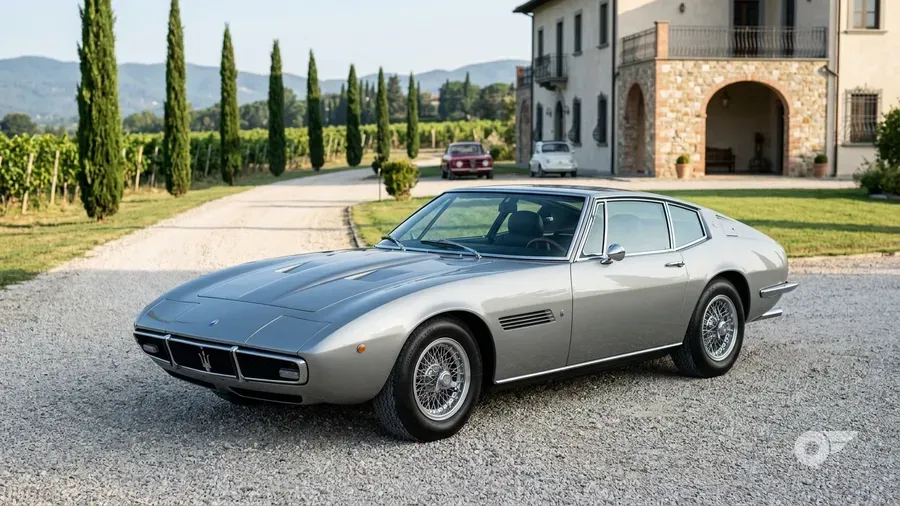
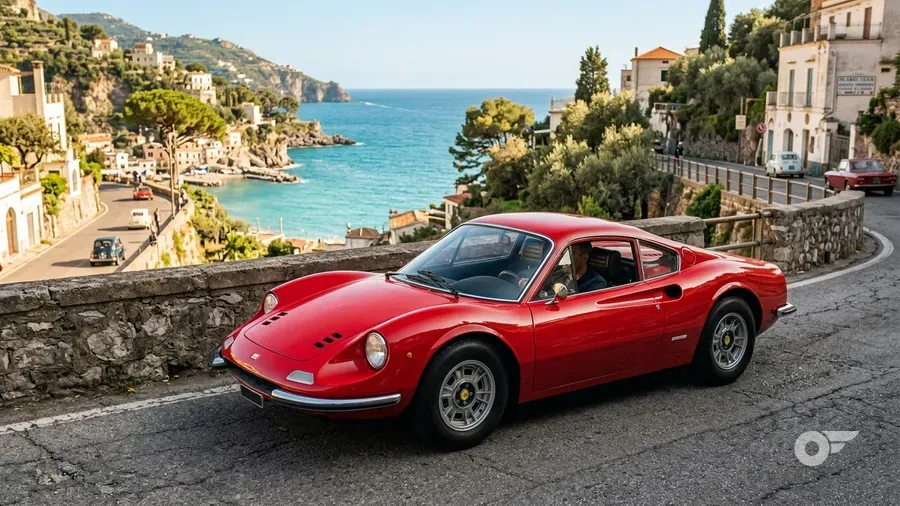
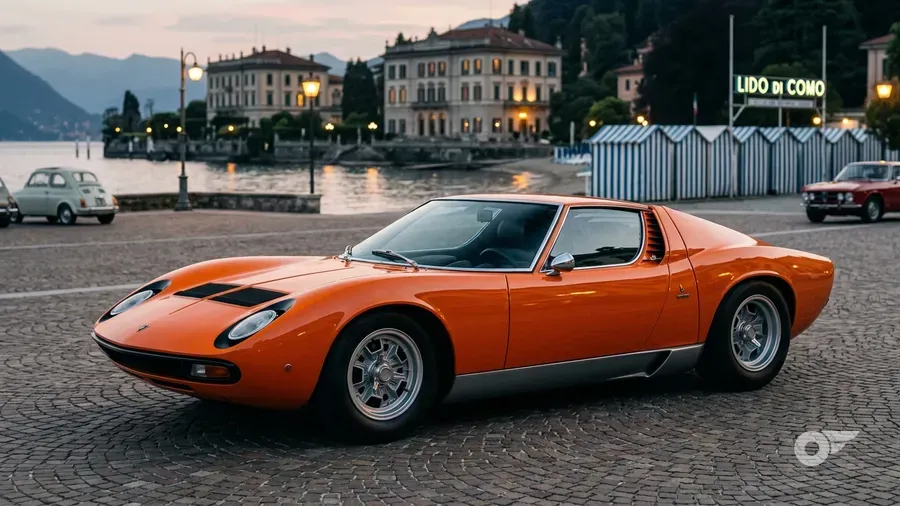
The single-headlight cars, Scaglione having redesigned the nose because the original lamps sat below the legal minimum height. Aluminium body over an aluminium tub whose side members double as fuel tanks, magnesium front and rear subframes, 2,350mm wheelbase, 700kg, 1,995cc flat-plane V8 with SPICA injection at 230 PS and 8,800rpm, six-speed Colotti gearbox, 260km/h. Every car differs, because they were made by hand: wiper position, window type from fixed glass to sliding plexiglass to wind-down side glass, roof wipers, vent placement and badging all vary, and later cars gained vents behind both front and rear wheels to release brake heat.
The two four-headlight cars, and the only ones that wear the nose Franco Scaglione originally drew. Chassis 105.33.01 was built at Autodelta's Settimo Milanese workshop in 1967 alongside the Tipo 33 Periscopica race car, bodied by Scaglione and his team at Marazzi, and debuted at the Paris Salon de l'Auto on 5 October 1967. A second car, chassis 105.33.12, was bodied in magnesium and intended for competition use; Scaglione started it but Marazzi did not finish it until 1968.