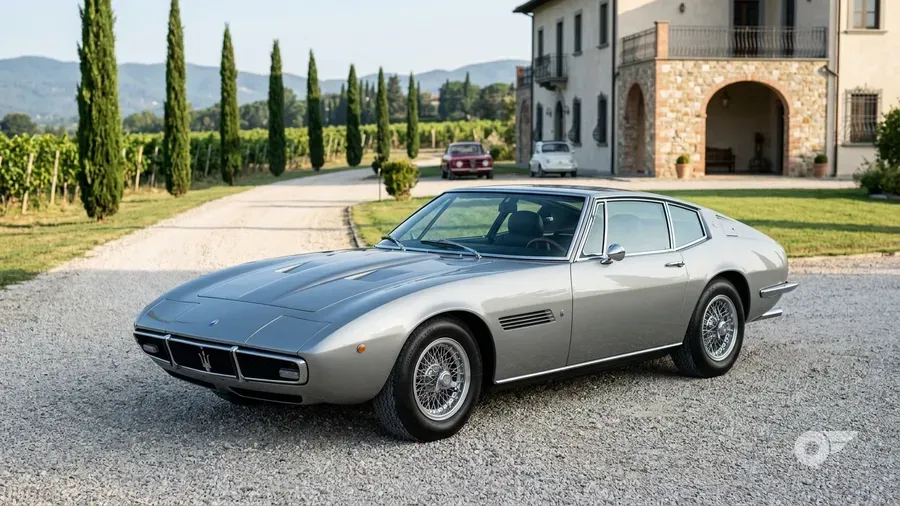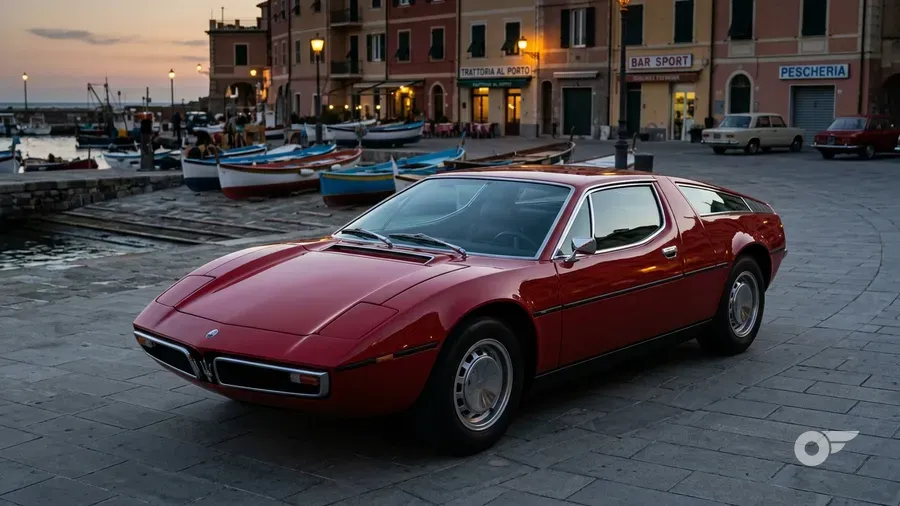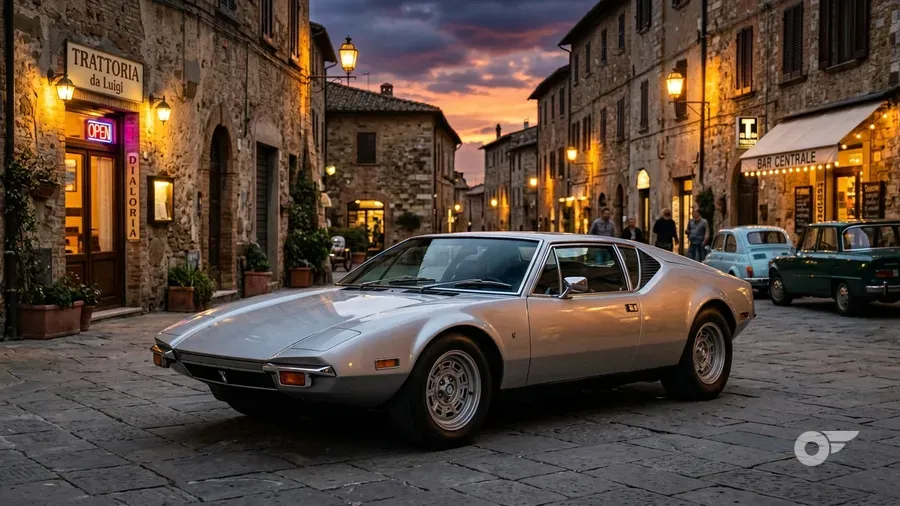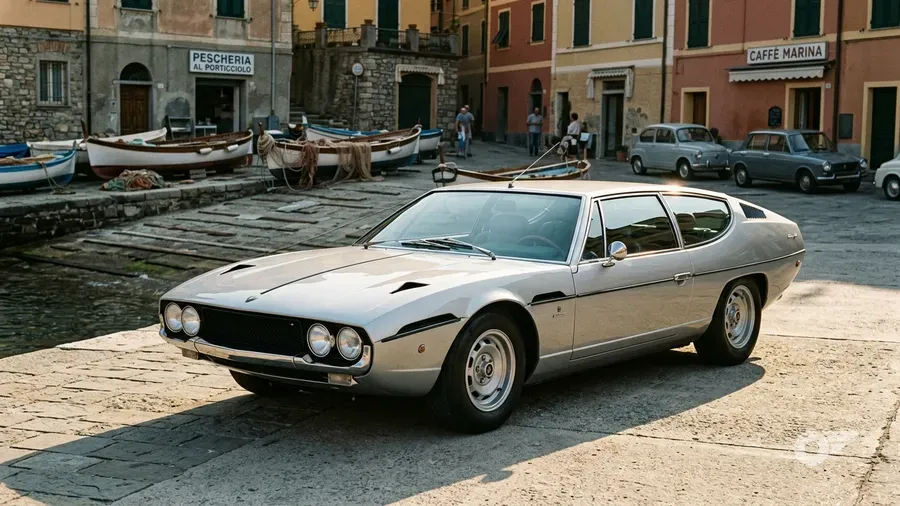
Lamborghini Espada
Italy·Grand Tourer·1968–1978

The defining attributes and collector status that make this car garage-worthy.


Rated 1 to 10 on the traits that matter for owning, driving, and holding on to a car like this.
Demand tier, price trend, and typical values by condition. Our own assessment, not a quoted valuation.
Values as of August 2026.
What anyone seriously considering this car should know first.
Cars from the same manufacturer family, like platform siblings or shared-era relatives.
Cars from other manufacturers that competed for the same buyers when new.
The original. 3,929 cc transverse V12 rated at 350 PS, chrome surrounds and the slatted 'eyelash' vents beside the headlamps. Purest to look at and the least sorted to drive, with the narrowest track of the three.
Bob Wallace's private test car, built to explore what a competition Miura might be. Aluminium alloy substituted throughout for roughly 360 kg saved, 418 to 440 bhp, twin fuel tanks moved into the sills, a chin spoiler added. Never entered in a race.
Enlarged intake manifolds and revised camshafts lift output to 370 PS. Power windows, brighter external window and headlamp trim, optional air conditioning. The eyelashes stay.
The definitive Miura and a materially different car. Rear track widened from 1,400 to 1,540 mm, reworked rear suspension, widened fenders for nine inch rear wheels, headlamp eyelashes deleted, 385 PS. The last 96 engines added a split sump separating gearbox lubrication from engine oil.
Factory-built customer cars carrying Jota-inspired bodywork and detail changes on the SV platform. The rarest road Miuras and the most valuable.