Subaru Legacy RS
We haven’t profiled this car yet. Request to add

The defining attributes and collector status that make this car garage-worthy.


Rated 1 to 10 on the traits that matter for owning, driving, and holding on to a car like this.
Demand tier, price trend, and typical values by condition. Our own assessment, not a quoted valuation.
Values as of August 2026.
What anyone seriously considering this car should know first.
Cars from the same manufacturer family, like platform siblings or shared-era relatives.
Cars from other manufacturers that competed for the same buyers when new.
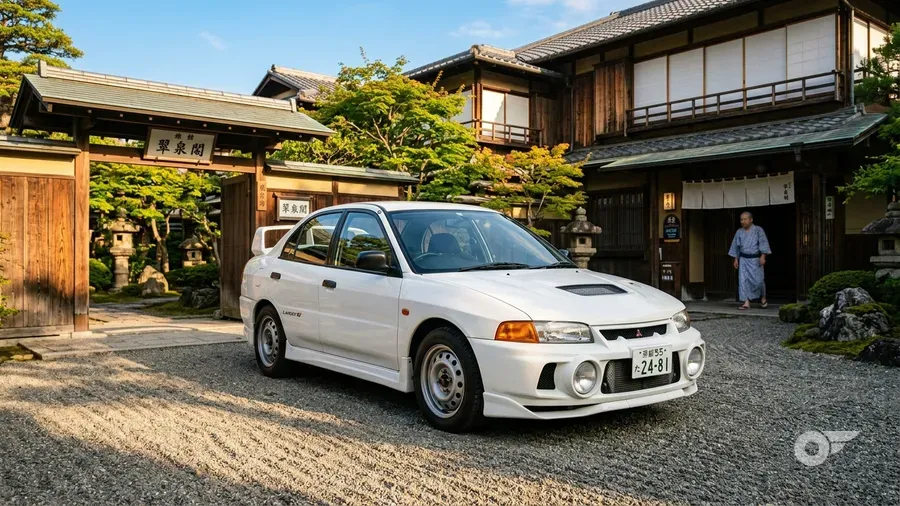
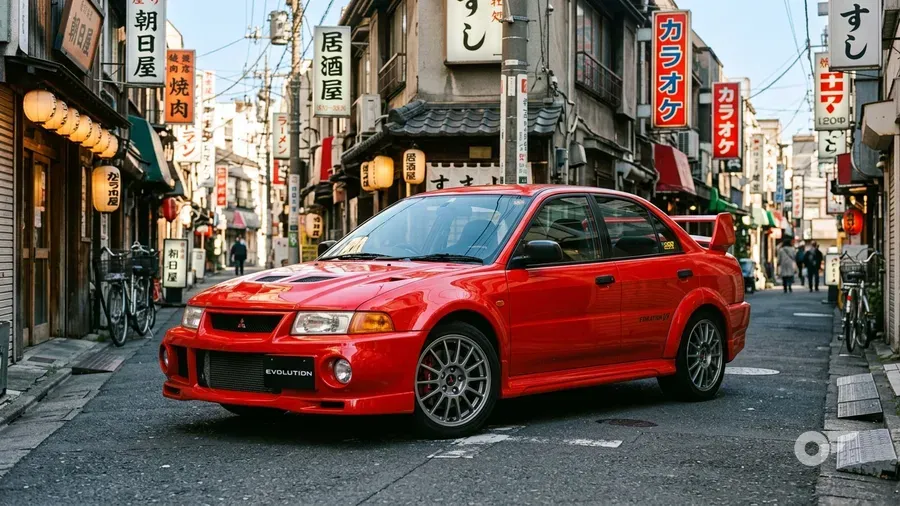
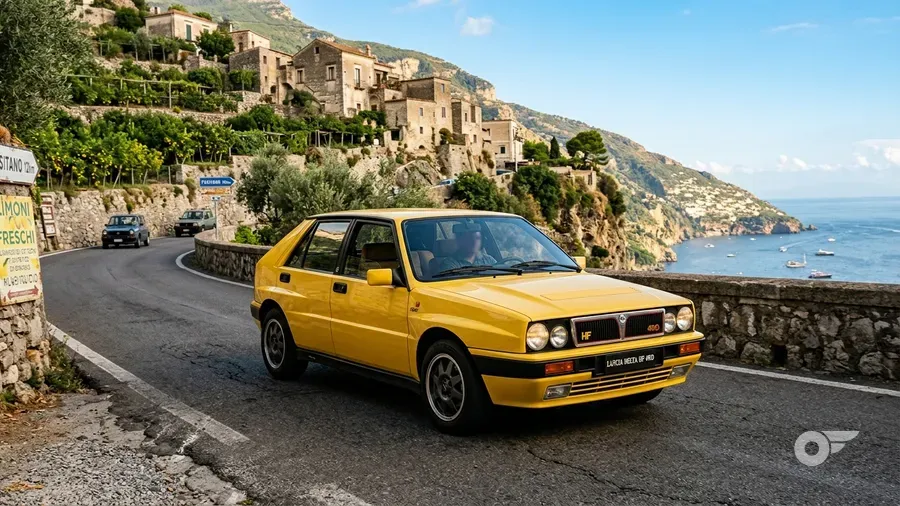
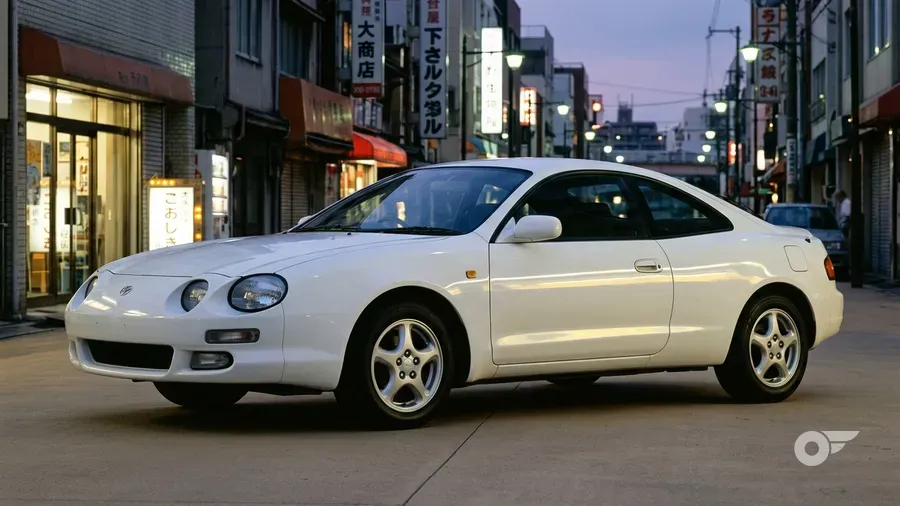
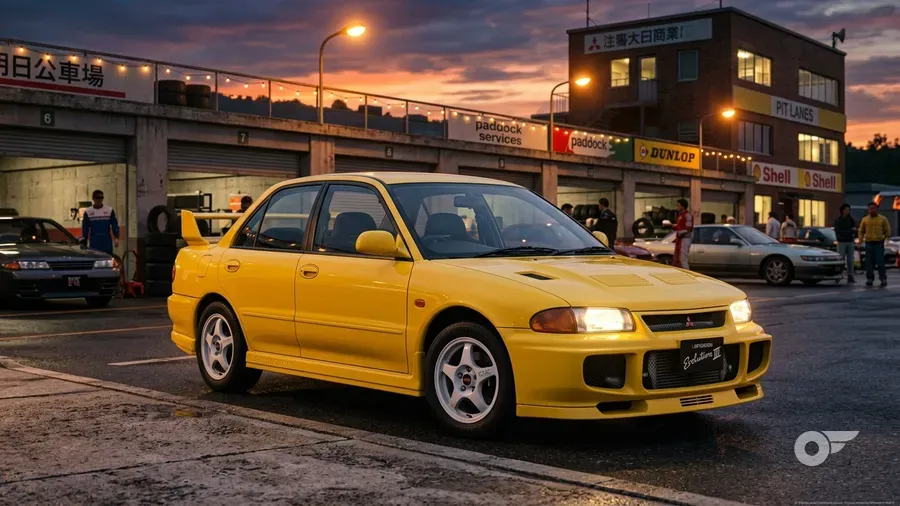
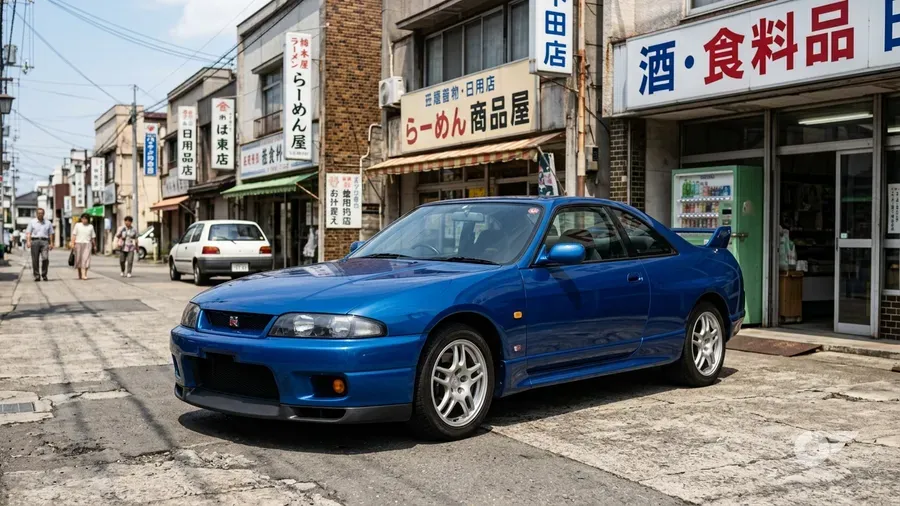
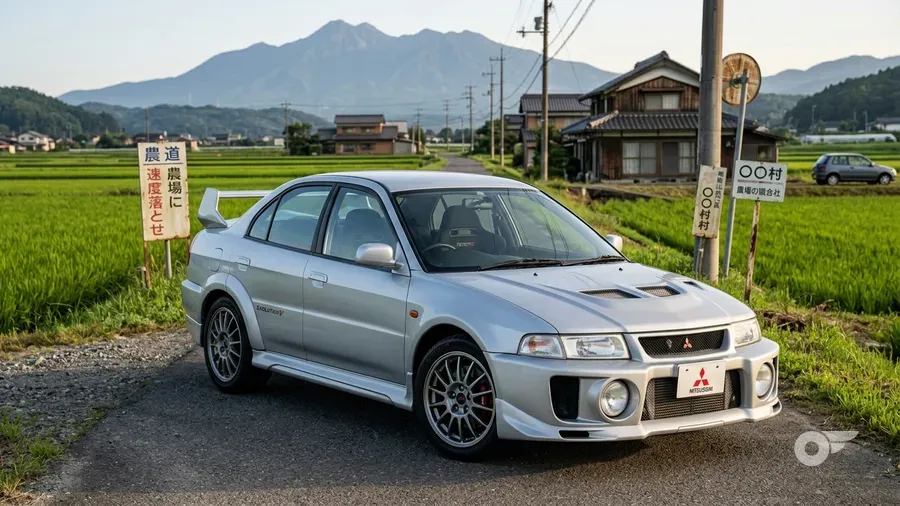
The one everybody means. A two-door widebody built to mark Subaru's 40th anniversary and its third straight WRC manufacturers' title, using the arches Peter Stevens drew for the Impreza WRC97. The EJ22G is bored out to 2,212 cc for 280 PS and 363 Nm at 3,200 rpm, on Bilstein dampers and Eibach springs, gold BBS forged wheels and Sonic Blue Mica paint. 1,270 kg, 1,770 mm wide. Widely miscalled a homologation special; the 1997 rules required nothing of the sort, and it is a celebration car.
The last and oddest GC8, built as the shape ran out. An STI catalogue special quoted at around 300 PS, wearing a full aero kit including a tri-plane rear wing that divides opinion to this day. Rare, strange, and increasingly sought by people who already own a normal one.
The turbocharged car the whole line grew out of, launched in Japan in November 1992 with a published 240 PS from the EJ20 flat-four and permanent all-wheel drive. Sedan first, with a wagon and later a two-door alongside it. Not an STI, and worth far less, but it is the car that established the recipe and it remains the cheap way into the shape.
The two-door coupe STI, introduced with Version III in September 1996, lighter and stiffer than the saloon at a quoted 1,190 kg. Prodrive chose this shell as the basis for the Impreza WRC97, which makes it the closest road car in shape to the championship-winning World Rally Car. The connoisseur pick, and priced accordingly.
The stripped homologation base. Less sound deadening, thinner glass, no rear wiper, no power windows on most, and a driver-controlled centre differential (DCCD) from the very first STI version in 1994. Enthusiasts read the letters as Record Attempt. It is the purist's GC8 and the one that feels closest to the works cars.
Commemorative limited runs marking Subaru's rally titles, appearing on several versions rather than one. The Version II V-Limited ran to 1,000 cars. The Type RA V-Limited was capped at 555, the number taken straight from the State Express 555 sponsorship on the works cars. Later Version V and VI Limited runs followed the same idea.
The STI version proper, on sale from January 1994 as an FIA homologation model and reworked on a roughly annual cycle through six numbered versions. Version I published 250 PS. Version III hit the 280 PS industry ceiling in 1996 and the published figure never moved again, while torque kept rising. Later versions are meaningfully better cars and the market knows it.