Octane Files
Explore CarsMaserati Merak

Maserati Merak

Overview

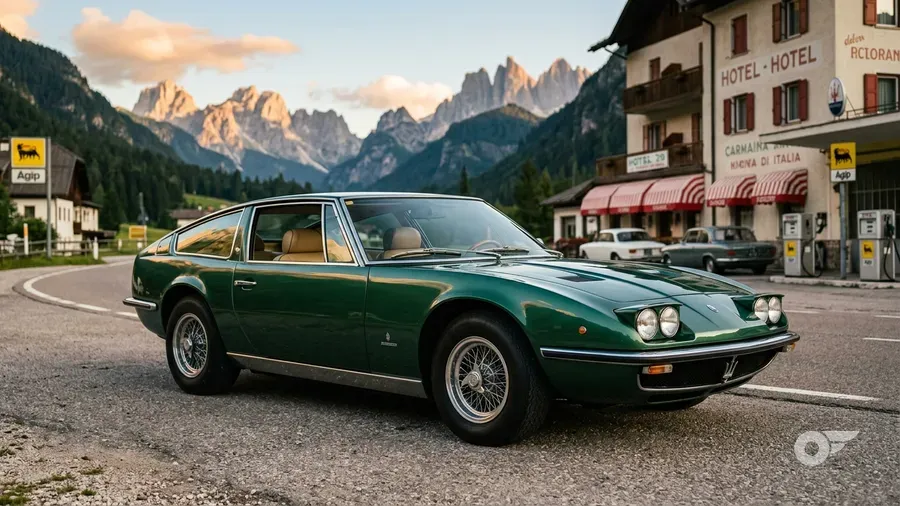
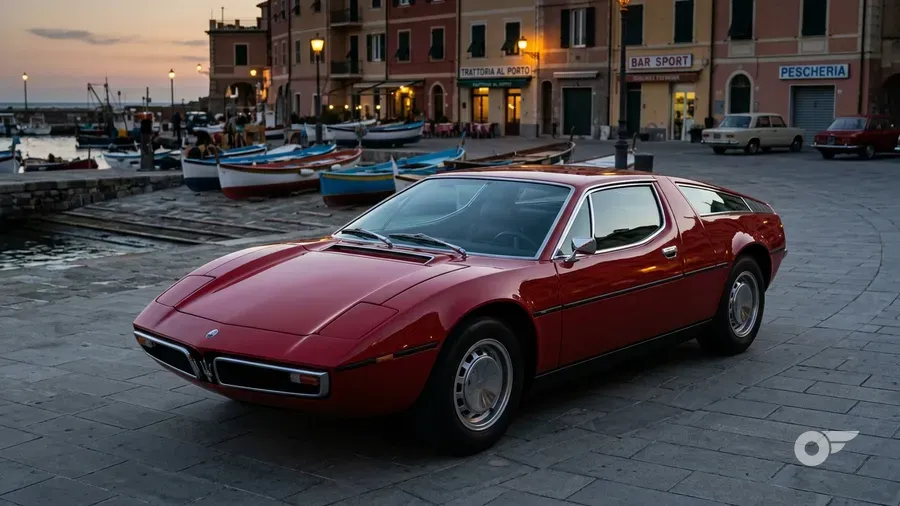
The Merak is what happened when Maserati worked out that a Bora with a smaller engine was a roomier car. Take the V8 out of the mid-engined Bora, drop in the 3.0-litre quad-cam V6 that Citroën had commissioned for the SM, and the space the V8 used to occupy becomes two small back seats. Everything ahead of the B-pillar is Bora: same shell, same doors, same nose. Behind it, the Bora's glass engine cover gives way to a flat slatted deck flanked by open flying buttresses, which is the quickest way to tell the two apart at a distance.

It arrived at the Paris show in October 1972, seventeen months after the Bora, and it was the cheaper car on purpose. Citroën owned Maserati and wanted volume, so the Merak got Citroën's high-pressure hydraulics, Citroën's five-speed transaxle and, on early left-hand-drive cars, the SM's own dashboard and single-spoke steering wheel.

Maserati built around 1,830 over eleven years, more than three times the Bora's run, and kept it in production six years after De Tomaso killed the V8 car.

Distinctions

The defining attributes and collector status that make this car garage-worthy.

Octane Files Select
Renowned for its history, engineering, or cultural weight.

Collectibility scorecard

Rated 1 to 10 on the traits that matter for owning, driving, and holding on to a car like this.

Desirability
6/10
Rarity
7/10
Driving thrill
6/10
Investment trajectory
5/10
Usability
6/10
Ease of restoration
3/10
Cultural impact
4/10
Electronic dependence
Fully analogHeavily electronic

Fuelling is three Weber twin-choke carburettors with no engine management of any kind: no injection, no ECU, no lambda sensor, no traction control, no ABS. What keeps this off the fully analog end of the scale is the brake pedal, which on Citroën-era cars is not connected to the brakes by anything you would call a linkage. It is a pressure-sensitive pad feeding a high-pressure LHM circuit driven off the engine, and the same circuit lifts the headlight pods and, on the SS, works the clutch. Hydraulic rather than electronic, but not direct either.

Market data

Demand tier, price trend, and typical values by condition. Our own assessment, not a quoted valuation.

Demand tier
EntrySolidHighBlue-chip

A dependable market. Well-kept cars hold their value and find ready buyers.

Value trajectory
AppreciatingStableCooling

Values are holding steady. What you pay today is what it's worth tomorrow.

Price by condition
Driver
$25k
Excellent
$48k
Concours
$75k

The Merak is the entry point to classic Maserati ownership and it has stayed there. classic.com's running average across all Meraks sits near $41,000, with SS cars at roughly the same figure. The highest recorded sale is $57,500 for a 1983 SS in April 2025 and the lowest is $4,550 for a project in August 2023, which is the widest spread of any car in this family. Europe prices it above the United States. The Classic Valuer records a median of 36,315 pounds across 38 recorded sales and an all-time high of 79,520 pounds, and European dealers ask roughly 55,000 to 80,000 euros for presentable SS cars. US-market examples, with the big matt-black federal bumpers, the humped engine lid and thermal reactors, sit below European cars. The band below describes an honest, running, European-specification car rather than a 2000 GT or a US federal example. Nothing here has moved the way the Bora did in 2013, which is why the trajectory reads stable rather than appreciating.

Values as of August 2026.

Buyer's guide

What anyone seriously considering this car should know first.

Why it's worth it
Maserati's volume mid-engined car, built on Bora architecture with Citroën SM running gear
Callout
Everything forward of the B-pillar is Bora; the rear seats sit where the V8 used to be
What to watch for
Two things decide whether a Merak is cheap or ruinous, and neither is the asking price. The first is the exhaust valves. The originals are sodium-filled, and on engines that have stood for years the heads can snap off and destroy the engine underneath them. A rebuild runs past 20,000 pounds at UK specialist rates, so establish in writing whether solid valves have been fitted. If nobody knows what is in the engine, assume they have not been. The second is structural rust, and it hides. Classic & Sports Car's guide points at two places specifically: around the front suspension mountings in the boot floor, and around the fuel tank bins either side of the engine. Both are repairs measured in months rather than weekends. Then work through the hydraulics. Early cars run Citroën's high-pressure LHM circuit for the brakes and headlight pods, and the SS adds the clutch to it. It works well when it is maintained and it is expensive when it is not, so check the fluid is green mineral LHM and never conventional brake fluid. Three timing chains, second-gear synchro and seized suspension bushes complete the list.

The Story

Driving character

The V6 is the reason to be here. It is a four-cam, twelve-valve alloy engine with three Webers on top of it, and it does not behave like a small-bore substitute for a V8: it wants revs, gets noticeably harder from about 4,000, and the exhaust note at the top is the part owners talk about. Below that it is genuinely docile. Period testers found they could cover ground in third and fourth all day and use fifth as an overdrive above 100mph, which is not something anyone said about a Countach. The gearbox is the SM's five-speed transaxle, conventional H-pattern, fully synchronised, and smooth rather than mechanical-feeling. It is a much softer thing to operate than the dog-leg ZF in a Khamsin. The brakes are the acquired taste. Citroën's high-pressure system gives a short, firm pedal that answers to pressure rather than travel, so the first few stops feel abrupt and the next thousand feel excellent. Visibility is good for a mid-engined car of the period, the ride is supple, and the cabin is quiet enough to hold a conversation at speed.

Design

The Merak is a Bora from the windscreen forward and its own car from the B-pillar back, and the join is invisible unless you know to look. Giugiaro had drawn the Bora at Italdesign in 1968; the Merak reuses that shell, its doors, its glass and its nose, but swaps the Bora's twin trapezoidal grilles for twin chrome bumpers and replaces the Bora's glazed engine cover with a flat slatted deck. That deck is the interesting decision. Rather than carry the roofline down to the tail in glass, the Merak extends the Bora's sail panels back as two open flying buttresses with nothing between them, so the car reads as a fastback in profile and something closer to a targa from behind. It also makes the engine bay reachable and lets the rear window sit vertically behind the back seats. Inside, the early left-hand-drive cars are the ones people remember: the SM's brushed metal fascia with oval instruments, and the single-spoke steering wheel Citroën had introduced to keep the driver's view of them clear. Right-hand-drive cars never got it, and neither did the later SS.

Motorsport pedigree

There is no competition record here and the reason is structural. Maserati's works team stopped at the end of 1957, and by the time the Merak arrived in 1972 the company had been out of racing for fifteen years and was owned by a French mass-market manufacturer with no interest in restarting it. The Bora had already tested that door: two Group 4 cars were built in 1972 and the CSI refused to homologate them because Maserati could not build 500 a year. The Merak, cheaper and slower, was never a candidate. The engine is a different story. The 3.0-litre V6 is a bored-out version of the 2.7 Maserati built for the Citroën SM, and the SM went rallying. On its first competitive outing it won the 1971 Rallye du Maroc outright in the hands of Jean Deschaseaux and Jean Plassard, beating a Peugeot 504 by more than twenty-six minutes across flooded wadis and rutted desert. So the Merak's engine has an outright rally win and its bodyshell has a homologation refusal. The car itself has neither.

In culture

The Merak's cultural moment is not flattering, and it is the honest one. In 2005 Top Gear gave its three presenters 10,000 pounds each and told them to buy a mid-engined Italian supercar. Jeremy Clarkson spent 7,000 on a Merak he believed was an SS, the dyno said it was making around 80bhp, and the engine let go spectacularly on the road. None of the three cars finished. That episode is why a generation of British enthusiasts think of the Merak as the cheap Maserati that blows up, and it is also why they know the car exists at all. The name is the other thing worth knowing. Ghibli, Bora, Khamsin and Mistral are all winds. Merak is not. It is a star in Ursa Major, the lower one in the bowl of the Plough, and it says plainly that the wind convention was never absolute. Beyond that the record is thin. The Merak was the practical one, and practical cars do not get posters.

Rivals

Cars from other manufacturers that competed for the same buyers when new.
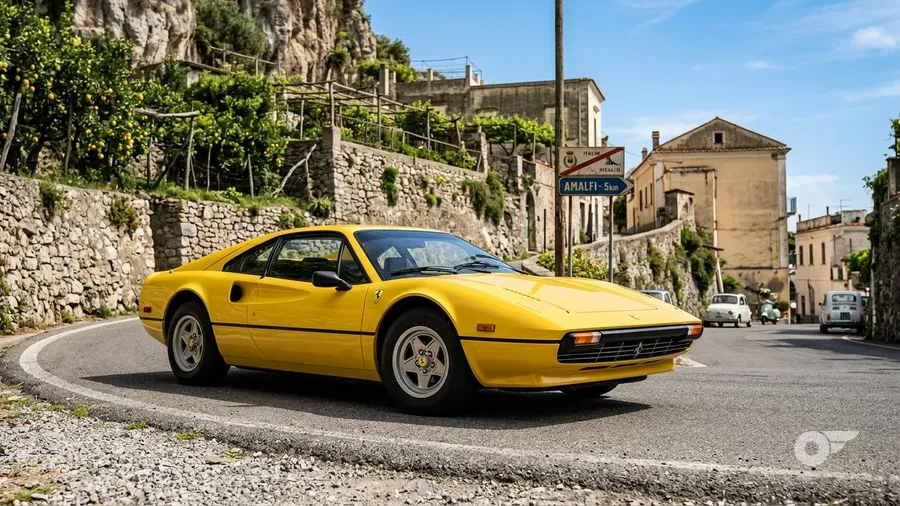
Ferrari 308

Ferrari 308

Italy·Exotic·1975–1985
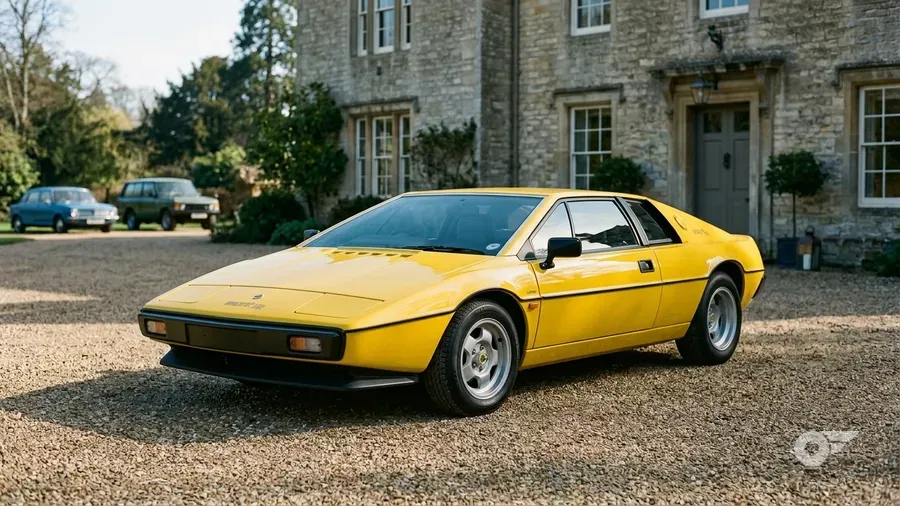
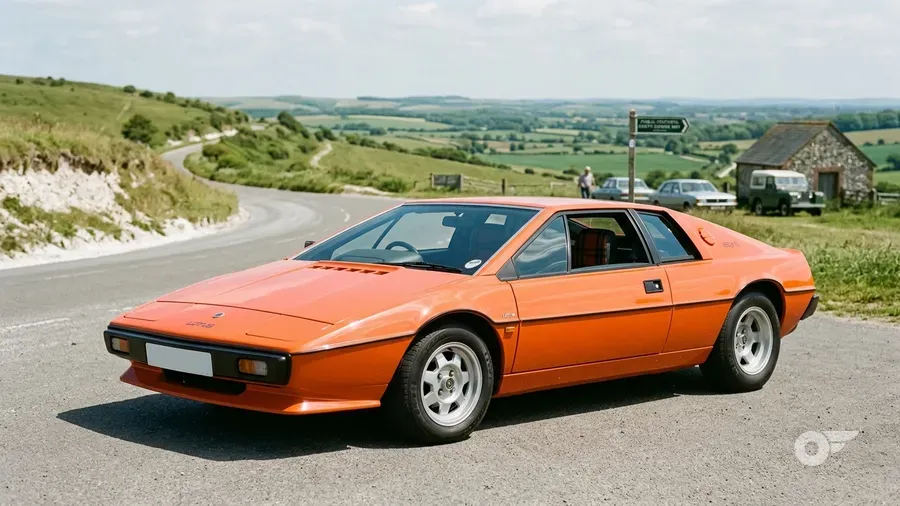
Lotus Esprit S2

Lotus Esprit S2

UK·Sports·1978–1982
Lotus Esprit S1

Lotus Esprit S1

UK·Sports·1976–1978

Ferrari Dino 308 GT4

We haven’t profiled this car yet. Request to add

Owning One

Why collectors want it

Scarcity is not the argument here, which is unusual for a classic Maserati. Around 1,830 Meraks were built against 564 Boras, and the Merak has spent forty years as the cheapest way into a mid-engined car with a trident on the nose. That reputation is the whole market: a good one costs roughly a quarter of a good Bora, and the two cars share a shell.

What that buys is a genuine 1970s Italian mid-engined coupe with a four-cam engine, five gears, and rear seats that will take children or luggage. The hierarchy inside the range is clear and worth knowing. The 220PS SS is the one collectors chase, both for the power and because it moved steadily away from the Citroën hardware. The 2000 GT, 200 cars built on a 2.0-litre engine for the Italian market, is rarer than anything else here and sells for less, because the tax break that created it does not travel.

The Merak has not moved the way the Bora did in 2013. It is a car people buy to drive, and the market prices it accordingly.

Which one to look for

Three cars wear the badge and the order of preference is not subtle. The original Merak, 1972 to 1975, runs the 190PS version of the V6 and, on left-hand-drive examples, the Citroën SM's oval-gauge dashboard and single-spoke steering wheel. It is the most French car Maserati ever sold and it is loved or avoided on exactly that basis. The SS is the one to have. Shown at Geneva in March 1975 and in production from the following year, it raises compression to 9:1, fits larger 44mm Webers for 220PS, sheds about 50kg, and gets a Maserati-designed fascia with round instruments. Later SS cars took the Bora's own three-spoke wheel and dashboard, and the US version dropped the last of the Citroën high-pressure hardware for conventional systems. The 2000 GT is the curiosity. Announced at Turin in November 1977 and built almost entirely for Italy, where anything over two litres was taxed savagely, it uses a 1,999cc version of the V6 making 170PS at 7,000rpm. Only 200 were made, in light metallic blue or gold, with matt black bumpers and a body stripe.

Merak · 1972–1975

The original car. 2,965cc quad-cam V6 at 190PS, three 42mm Webers, Citroën high-pressure hydraulics for the brakes and headlight pods. Left-hand-drive examples carry the Citroën SM's oval-gauge fascia and single-spoke steering wheel; right-hand-drive cars got a Bora-style dashboard instead.

Merak 2000 GT · 1977–1983

Announced at Turin in November 1977 and built almost entirely for Italy, where engines over two litres were taxed savagely. A 1,999cc version of the V6 making 170PS at 7,000rpm. Identified by matt black bumpers, no front spoiler and a black tape stripe below the body crease; offered only in light metallic blue or gold.

Merak SS · 1975–1983

The one to have. Shown at Geneva in March 1975, in production from 1976. Compression up to 9:1, larger 44mm Webers, 220PS, about 50kg lighter, and a Maserati-designed fascia with round instruments in place of the SM's. Later cars took the Bora's three-spoke wheel and dashboard, and the US version dropped the last of the Citroën high-pressure hardware.
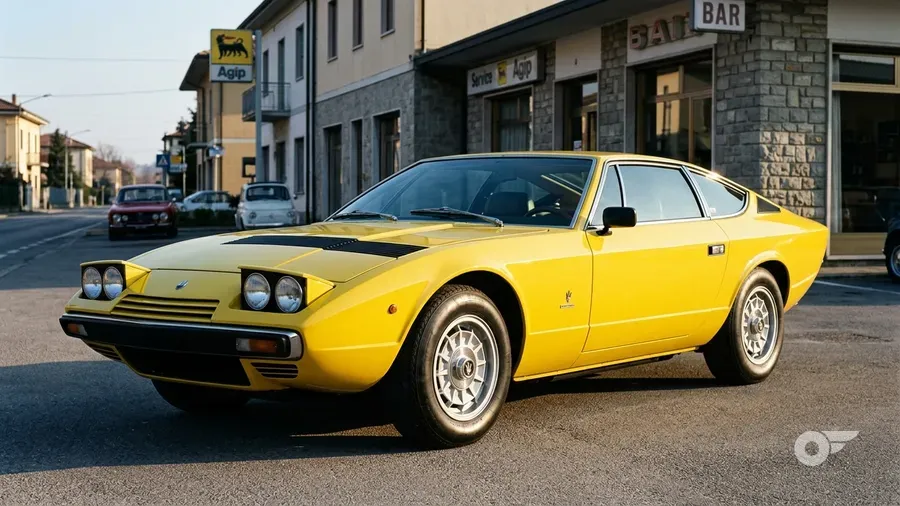
What owning one is like

A Merak is a more relaxed car to own than a Bora and a more nervous one to buy. The V6 is strong when it has been looked after and catastrophic when it has not, because of those sodium-filled exhaust valves. Cars that stand for years are the ones that break heads off, and the damage takes the engine with it. Owners who have solved it have fitted solid valves, and that is the first question worth asking. There are three timing chains in there, and they want setting up properly rather than often. The original York air-conditioning compressor is a two-cylinder unit that loads the primary chain as it wears, so a period-correct air-conditioning system is a maintenance item rather than a luxury. Head gaskets go. Second-gear synchro wears. Suspension bushes seize and can take a wishbone with them. The hydraulics want green LHM mineral fluid and nothing else, ever. None of it is mysterious and all of it is documented, which is a large part of why people keep buying these.

Upkeep & parts

Support for the Merak is better than a car this cheap has any right to expect, largely because the same specialists cover the whole Citroën-era range. MIE Corporation in Tacoma has supplied Maserati-only parts since 1976 and lists Merak and Merak SS catalogues of its own. McGrath Maserati in Hitchin has been at it since 1977 and was the first factory-recognised independent. Between them, most mechanical parts are findable.

The Merak Registry and the Merak Group are the unusual asset. The registry tracks cars individually; the group publishes free technical material, including electrical schematics, parts and owner's manuals, and step-by-step notes on jobs like setting the intermediate cam chains. Read that before you buy, not after.

Budget in the right order. Engine work is the expensive end: a full rebuild runs past 20,000 pounds and a head-gasket job around 2,400 at UK rates. Hydraulic rebuilds are dear but finite, and the accumulators want recharging on roughly a decade cycle. Trim, glass and the Citroën-specific interior parts are the slow ones to find.

Country of origin
Italy
Class
Sports
Production years
1972–1983
Units built
~1,830
Marque
Model
Merak
Nickname
No nickname ("Baby Bora" is enthusiast-press shorthand for the Bora relationship, not a name owners use)
Body
Coupe
Layout
Mid-engine, RWD
Engine
2965cc quad-cam alloy V6 (190PS, 1972-1975); 2965cc quad-cam alloy V6 (220PS, SS, 1975-1983); 1999cc quad-cam alloy V6 (170PS, 2000 GT, 1977-1983)
Transmission
5-speed Citroën C35 manual transaxle; no automatic offered
Designer
Giorgetto Giugiaro (Italdesign)