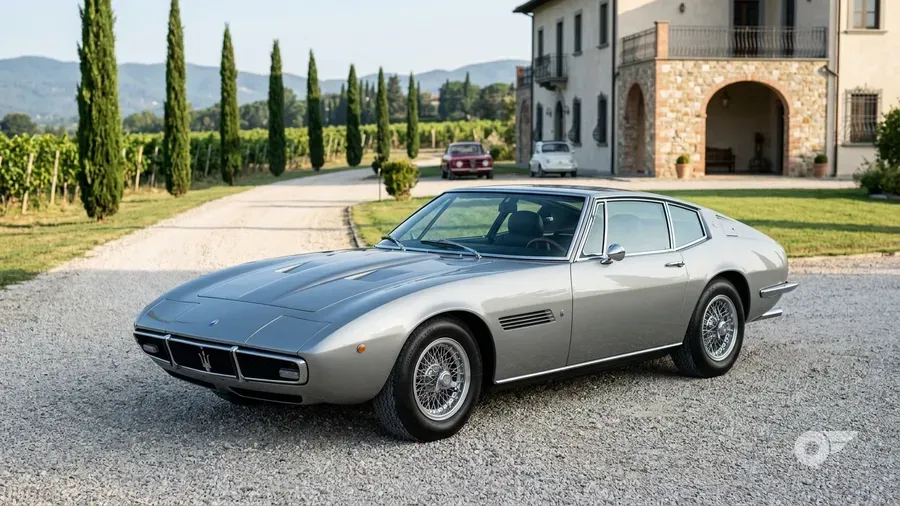
Maserati Ghibli
Italy·Grand Tourer·1967–1973

The defining attributes and collector status that make this car garage-worthy.

Rated 1 to 10 on the traits that matter for owning, driving, and holding on to a car like this.
Demand tier, price trend, and typical values by condition. Our own assessment, not a quoted valuation.
Values as of August 2026.
What anyone seriously considering this car should know first.
Cars from the same manufacturer family, like platform siblings or shared-era relatives.
Cars from other manufacturers that competed for the same buyers when new.
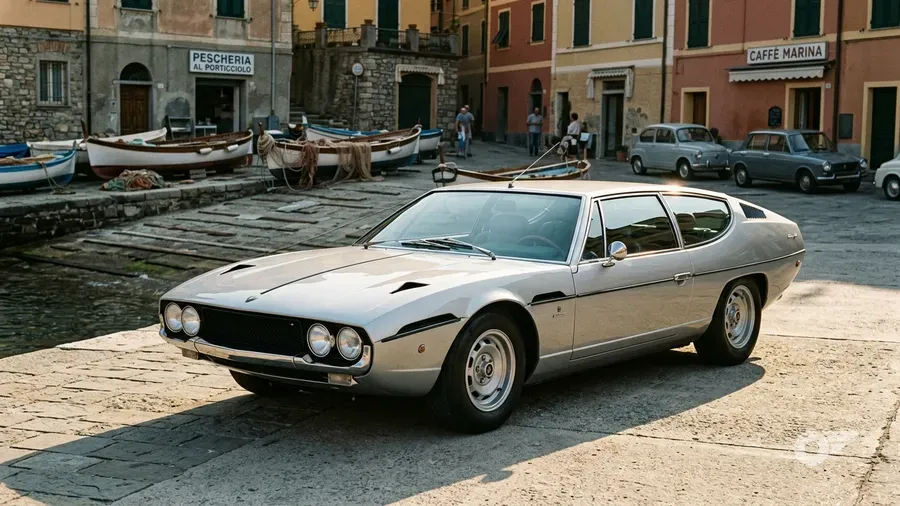
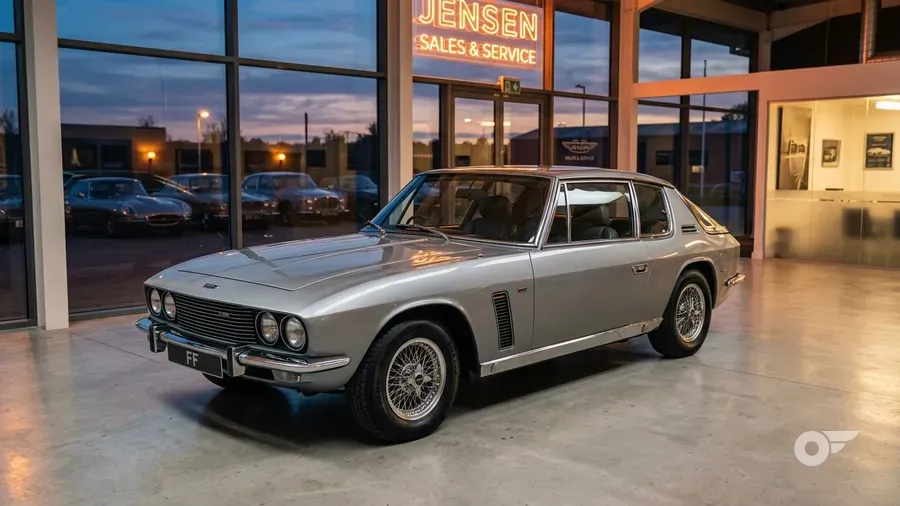
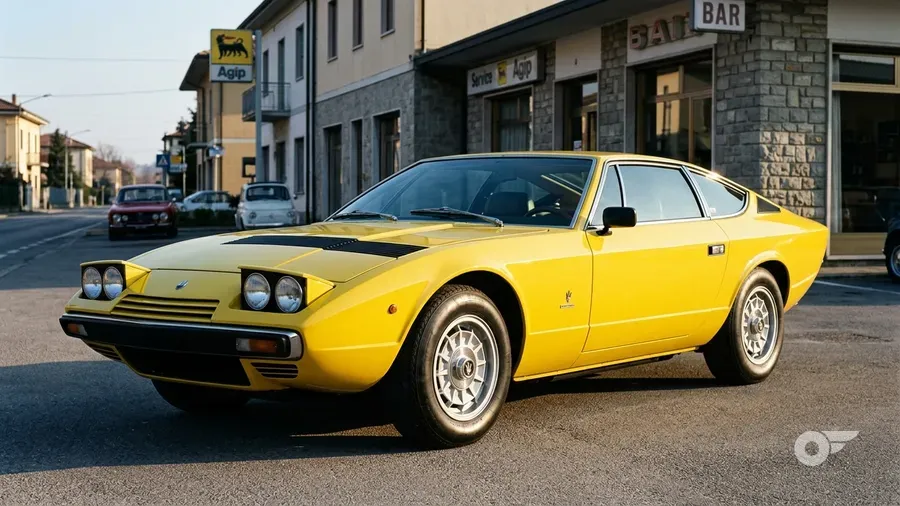
The launch car. 4,136cc quad-cam alloy V8, 260bhp at 5,500rpm, 257lb ft at 3,700. The softest and sweetest of the three and the most numerous. Earliest cars carry the twin hexagonal instrument binnacles that were replaced by a flat leather fascia in 1970.
Added alongside the 4200 in 1970. 4,719cc and 290bhp, the same unit as the Ghibli 4.7, good for about 161mph. Arrived with the interior revisions of that year, including retractable headrests and the redesigned dashboard.
The one to look for. 4,930cc and 320bhp, 355lb ft at 4,000rpm, about 165mph. Power steering and air conditioning standard, 15-inch wheels in place of 14s, a revised air-conditioning system and Citroën's high-pressure LHM brake circuit in place of the conventional servo. Identified by an extra bonnet vent at the passenger corner.