Octane Files
Explore CarsPorsche 911 992

Porsche 911 992

Overview

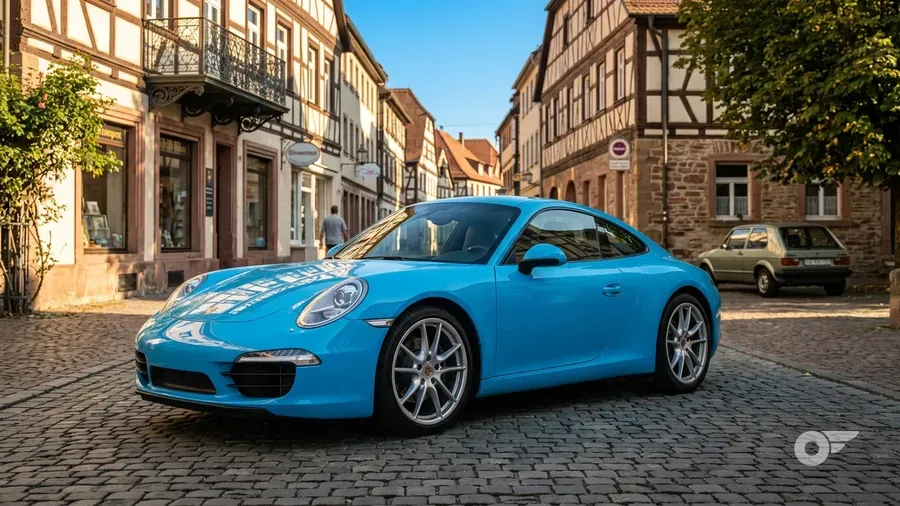
The 992 is the 911 as a fully resolved modern car, and the surprising part is how little it surrendered to get there. Every Carrera now uses the wide body that once marked out the four-wheel-drive models, the panels are aluminium, and the standard gearbox is an eight-speed PDK. Yet a seven-speed manual is still on the price list, and the GT3 still carries a naturally aspirated 4.0-litre flat six that runs to 9,000rpm with a six-speed stick behind it. Then came the part that nobody expected to arrive so gracefully. The facelift presented on 28 May 2024 brought the first hybrid 911: the Carrera GTS uses a 3.6-litre flat six with an electrically driven turbocharger and a motor built into the gearbox, for 541 PS combined and no lag worth measuring. The Turbo S followed with 711 PS. A rear-engined layout more than sixty years old, kept current by relentless iteration rather than replacement, and still outselling every sports car it is measured against.

Distinctions

The defining attributes and collector status that make this car garage-worthy.

Legend
A car that transcended the hobby, known far beyond the people who drive them.
Octane Files Select
Renowned for its history, engineering, or cultural weight.

Collectibility scorecard

Rated 1 to 10 on the traits that matter for owning, driving, and holding on to a car like this.

Desirability
8/10
Rarity
3/10
Driving thrill
8/10
Investment trajectory
5/10
Usability
9/10
Ease of restoration
5/10
Cultural impact
6/10
Electronic dependence
Fully analogHeavily electronic

Everything here is electronically mediated: a drive-by-wire throttle, electromechanical steering, adaptive dampers, active engine mounts, stability and traction control, brake-based torque vectoring, rear-axle steering on the higher models, an eight-speed dual-clutch gearbox with launch control, an active rear spoiler, and Wet Mode, which listens for water thrown up into the wheel arches and reconfigures the car by itself. The instrument binnacle is one analogue tachometer flanked by screens. From 2024 the GTS adds an electrically driven turbocharger and a motor inside the gearbox, and the Turbo S follows. The counterweights are real but few: a genuine manual gearbox is still offered, the GT3's 4.0 is naturally aspirated, and the brakes are hydraulic throughout. This is the most electronic 911 ever sold.

Market data

Demand tier, price trend, and typical values by condition. Our own assessment, not a quoted valuation.

Demand tier
EntrySolidHighBlue-chip

Strong, sustained collector demand. Good examples never wait long for a buyer.

Value trajectory
AppreciatingStableCooling

Values are holding steady. What you pay today is what it's worth tomorrow.

Price by condition
Driver
$95k
Excellent
$135k
Concours
$180k

The 992 is a current car and its ordinary versions behave like current cars. Tracked sale averages sit near $130,000 for a 992.1 Carrera S coupe, against a recorded low of $68,500 for an early high-mileage example, while rising new list prices hold used values up underneath. The band below describes a Carrera or Carrera S coupe, from a well-used example to an essentially new one. Everything limited sits above it and mostly above list: the GT3, GT3 RS, S/T, Sport Classic and Dakar all sold out and all trade at a premium. Ordinary cars will depreciate before they do anything else.

Values as of August 2026.

Buyer's guide

What anyone seriously considering this car should know first.

Why it's worth it
The 911 that went hybrid at the top of the range and kept the manual gearbox at the bottom
Callout
The first hybrid 911: the 2024 Carrera GTS uses an electrically driven turbocharger
What to watch for
Buying a 992 is buying a modern car, so the work is documentation rather than diagnosis. Start with the specification, because it sets the value more than the mileage does. A manual gearbox, whether the seven-speed in a Carrera S or T or the six-speed in a GT3, is the option that holds money. Rear-axle steering, the nose lift system, carbon-ceramic brakes, a sports exhaust and the Sport Chrono package all change the car meaningfully and all cost a great deal to add afterwards. Check the lift system actually works, and check the ceramic discs if they are fitted, because replacing a set is a five-figure decision a seller has every reason not to raise. Early cars have the fewest software refinements and the most reports of infotainment freezes and CarPlay dropouts, most of which updates have addressed, so ask what the car has had done. Look underneath for oil at the bell housing, since the rear main seal is the known weak point when one goes and the gearbox has to come out to reach it. A car that has sat unused flattens its battery and ages its dynamic engine mounts, so a used 992 is a better buy than a stored one.

The Story

Driving character

The 992 is quicker than anyone needs and calmer about it than any 911 has been, and it still moves like a 911 when you lean on it. The wide body is standard now, so every car has the four-wheel-drive stance and the grip that comes with it, and the eight-speed PDK is close to telepathic. The 3.0 twin-turbo makes its case on torque: strong from 2,000rpm, effectively lag-free, and a little anonymous at the top compared with what came before. The hybrid GTS from 2024 removes the last of the lag by spinning its turbocharger electrically, and it responds with the immediacy of a naturally aspirated engine and the shove of a turbocharged one, which is a genuinely new sensation. The steering is light, fast and accurate, and it tells you less than a 997's did. Then there is the GT3, which is a different car and the reason the range still has a soul: 510 PS from a naturally aspirated 4.0 that runs to 9,000rpm, a double-wishbone front end taken from the racing car, and a shift action that argues for manual gearboxes better than any words can.

Design

Ben Baum drew the 992 under Michael Mauer, and the reference is deliberately the 1970s. The full-width light bar across the tail, the flush pop-out door handles, the wide flat rear deck and the vertical louvres over the engine all point back at the impact-bumper cars, and the front lid carries a shallow recess like a long-hood 911. What is new is width. Every Carrera now wears the body that used to identify a four-wheel-drive car, so the whole range has the haunches. The panels are aluminium, the wheels are staggered with a larger diameter at the rear, and the rear spoiler is bigger and works harder. Inside, the change is more drastic: a horizontal dashboard quoting the 1970s cars directly, a stubby gear selector, and a single analogue tachometer sitting between two screens, which is Porsche conceding the digital argument while keeping the one dial that matters. The Dakar takes the whole thing off-road with raised suspension and a roof rack, which ought to look ridiculous and somehow does not.

Motorsport pedigree

The 992's competition record belongs mostly to customers, and it started well. The 911 GT3 R won the LMGT3 class at Le Mans in 2024, the category's first year, with Manthey EMA's car driven by Richard Lietz, Morris Schuring and Yasser Shahin, a result Porsche counted as the marque's 111th class win at the race. The sister Manthey PureRxcing car led for long stretches, lost the race to a gearbox repair and finished fourteenth, then took the LMGT3 Endurance Trophy for the season. At the 2025 Nürburgring 24 Hours a Manthey EMA 992 crossed the line first and lost the win in the stewards' office, a 100-second penalty for Kevin Estre after contact while lapping a slower car handing victory to ROWE's BMW. Underneath the headline results, the 911 GT3 Cup remains the most numerous racing car in the world, the basis of the Porsche Mobil 1 Supercup and every national Carrera Cup, which is where most professional sports car drivers now learn the trade. Porsche fields no factory 911 in the top class because the 963 prototype does that job; the 911's racing life is a customer business by design.

In culture

The 992 is the last of something and everyone knows it, which is most of its cultural weight. It is the only rear-engined sports car in production, one of a shrinking handful of new cars still sold with a manual gearbox, and the subject of a running public argument about how long a combustion 911 can survive regulation. Porsche's answer has been to hybridise the top of the range rather than the bottom and to keep the GT3 naturally aspirated, which reads as a statement of intent. Beyond that, the 992 lives where car culture now lives. It is a fixture of Gran Turismo and Forza, of the Nürburgring lap-time argument, and of the enormous online marketplace culture that has grown up around configuring and flipping limited editions, something Porsche has been openly uncomfortable with since the 911 R. The Dakar is the odd one out and the most photographed of the lot: a raised, all-terrain 911 that arrived for 2023 as a joke Porsche decided to make real, sold out immediately, and became the most conspicuous 911 of the decade.

Rivals

Cars from other manufacturers that competed for the same buyers when new.
Owning One

Why collectors want it

Buying a 992 as a collector's object is a different exercise from buying a 993, because the car is still on sale and its ordinary versions still depreciate like new cars. What is worth stating plainly is which 992s already behave otherwise. The GT3 with the Touring package and a six-speed manual, the 525 PS GT3 RS, the 1,963-car S/T built for the 911's sixtieth year, the 1,250-car Sport Classic with its ducktail and manual gearbox, and the 2,500-car Dakar all sold out and all trade above list. The naturally aspirated 4.0-litre engine those cars share is now the rarest thing Porsche makes and the most obviously finite, which is most of the argument for them. Among the ordinary cars, the manual gearbox is what will matter: a seven-speed Carrera T or Carrera S with three pedals is a deliberate minority choice in a range where nearly everyone takes PDK. The rest of the case is simpler and less romantic. This is the best 911 anyone has built by any measurable standard, and the first hybrid one, which will read as a landmark long after the numbers stop impressing.

Which one to look for

The 992 divides in 2024. The first cars run a 3.0 twin-turbo across the Carrera range at 385 PS, 450 in the S and 4S and 480 in the GTS, with the Turbo at 580 and the Turbo S at 650. From the facelift presented in May 2024 the Carrera moves to 394 PS, the Carrera S to 480, and the GTS becomes the first hybrid 911: a 3.6 with an electrically driven turbocharger and a motor in the gearbox, 541 PS combined. The Turbo S takes the same idea to 711 PS. Underneath the headlines, three cars matter more than the rest. The GT3 keeps a naturally aspirated 4.0 at 510 PS with a six-speed manual option and a Touring version without the wing. The GT3 RS goes to 525 PS with an aerodynamic package lifted wholesale from endurance racing. And the S/T, 1,963 cars for the 911's sixtieth year, puts the RS engine in a lightweight Touring body with a manual, which is the connoisseur's answer. Beside them sit two deliberate curiosities: the 1,250-car Sport Classic with its ducktail, and the 2,500-car Dakar, a raised, gravel-tyred 911 that sold out before production started.

Carrera · 2019–present

The base car, now on the wide body. 3.0-litre twin-turbo at 385 PS, raised to 394 PS with the 2024 facelift. Eight-speed PDK, with Carrera 4 adding four-wheel drive.

Carrera GTS · 2021–present

480 PS from the 3.0 twin-turbo to 2024, then the first hybrid 911: a 3.6-litre flat six with an electrically driven turbocharger and a motor in the gearbox, 541 PS combined.

Carrera S · 2019–present

450 PS to 2024 and 480 PS after, with a seven-speed manual available on the earlier cars. Carrera 4S adds four-wheel drive.

Carrera T · 2022–present

Rear-drive, lighter, shorter-geared and manual-gearboxed, with reduced sound deadening. The purist's base car.

Dakar · 2023–2024

A raised 911 on all-terrain tyres with a roof rack, twin recovery eyes and rally driving modes. 480 PS, four-wheel drive.

GT3 · 2021–present

Naturally aspirated 4.0 at 510 PS to 9,000rpm, a double-wishbone front suspension taken from the racing car, and a six-speed manual as an alternative to PDK. The Touring version deletes the wing.

GT3 RS · 2022–present

525 PS and an aerodynamic package lifted from endurance racing, including a drag reduction system and centrally mounted radiator packaging taken from the 911 RSR.

S/T · 2023

The GT3 RS engine in a lightweight Touring body with a six-speed manual, a lighter clutch and flywheel, and no rear wing. Built for the 911's sixtieth year.

Sport Classic · 2022

Ducktail spoiler, double-bubble roof, Sport Grey Metallic paint and the Turbo engine detuned to 550 PS behind a seven-speed manual gearbox.

Targa 4 · 2020–present

The 991's powered wraparound Targa roof carried over, four-wheel drive only, in 4, 4S and 4 GTS form.

Turbo · 2020–present

3.7-litre twin-turbo at 580 PS, with the Turbo S at 650 PS. Four-wheel drive, PDK, and the widest body in the range.

What owning one is like

For a car this complicated the 992's fault list is remarkably short, and most of it is modern-car inconvenience rather than mechanical failure. Early-build cars had the worst of the infotainment behaviour: screens freezing, CarPlay dropping out, navigation losing itself, most of it addressed by software updates since. PDK output-seal leaks are reported more often than engine oil leaks. The rear main seal is the known weak point when one does go, and reaching it means removing the gearbox, which is why looking underneath before you buy is worth the effort. Dynamic engine mounts fail in time. The 12-volt battery drains on cars left standing, which is the single most common complaint from owners who use their 992 rarely. Interior door cards buzz and rattle, and suspension bushes and drop links can knock earlier than the mileage suggests. Beyond that it is consumables: wide tyres, big brakes, and carbon-ceramic discs that cost a great deal when they need replacing. The engine, drivetrain and structure are fundamentally sound, and these cars take mileage without complaining about it.

Upkeep & parts

Most 992s are still inside the dealer network, and for now that is the simplest way to run one. Servicing is scheduled, predictable and not cheap, and the independent Porsche trade is only starting to take these cars on because so few are old enough to need it. Parts are current production, so availability is total and prices are new-car prices. Specification decides the running costs more than anything else does. Carbon-ceramic brakes are the largest single line item in this car's life, and a set is a five-figure job with no cheap alternative beyond fitting iron discs instead. Tyres are wide, staggered and short-lived if the car is used as intended. PDK fluid services are real maintenance and worth documenting. Batteries matter more than they used to, because a 992 left standing for weeks will flatten one, which makes a conditioner the cheapest accessory anyone buys. On the hybrid GTS and Turbo S the high-voltage system is dealer territory for now. The forums are already deep, and Rennlist's 992 section is where owners compare notes first.

Country of origin
Germany
Class
Sports
Production years
2019–present
Units built
In production
Model
911
Nickname
No nickname
Body
Convertible, Coupe, Targa
Layout
Rear-engine, AWD / RWD
Engine
3.0L twin-turbocharged flat-six (Carrera and Carrera T 385 PS, Carrera S and 4S 450 PS, Carrera GTS and Dakar 480 PS, Sport Classic 550 PS), 3.0L twin-turbocharged flat-six (Carrera 394 PS, Carrera S 480 PS, from 2024), 3.6L twin-turbocharged flat-six with T-Hybrid (Carrera GTS, 541 PS combined, from 2024), 3.7L twin-turbocharged flat-six (Turbo 580 PS, Turbo S 650 PS), 3.6L twin-turbocharged flat-six with T-Hybrid (Turbo S, 711 PS combined, from 2025), 4.0L naturally aspirated flat-six (GT3 and GT3 Touring 510 PS, GT3 RS 525 PS, S/T 525 PS)
Transmission
8-speed PDK dual-clutch, 7-speed manual (Carrera S, Carrera T, Carrera GTS), 6-speed manual (GT3, GT3 Touring, S/T)
Designer
Ben Baum (styling, under design director Michael Mauer)