Fiat 124 Sport Coupe Series 1
We haven’t profiled this car yet. Request to add

The defining attributes and collector status that make this car garage-worthy.

Rated 1 to 10 on the traits that matter for owning, driving, and holding on to a car like this.
Demand tier, price trend, and typical values by condition. Our own assessment, not a quoted valuation.
Values as of August 2026.
What anyone seriously considering this car should know first.
Cars from the same manufacturer family, like platform siblings or shared-era relatives.
Cars from other manufacturers that competed for the same buyers when new.
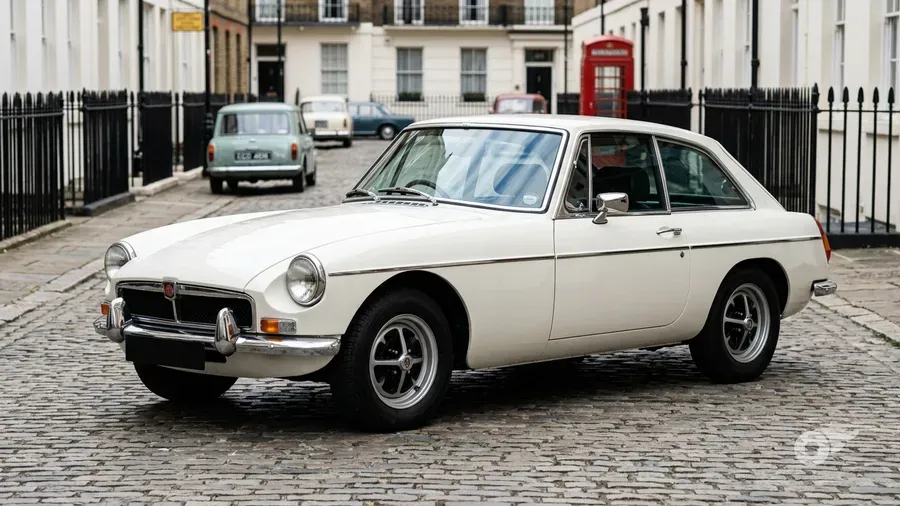
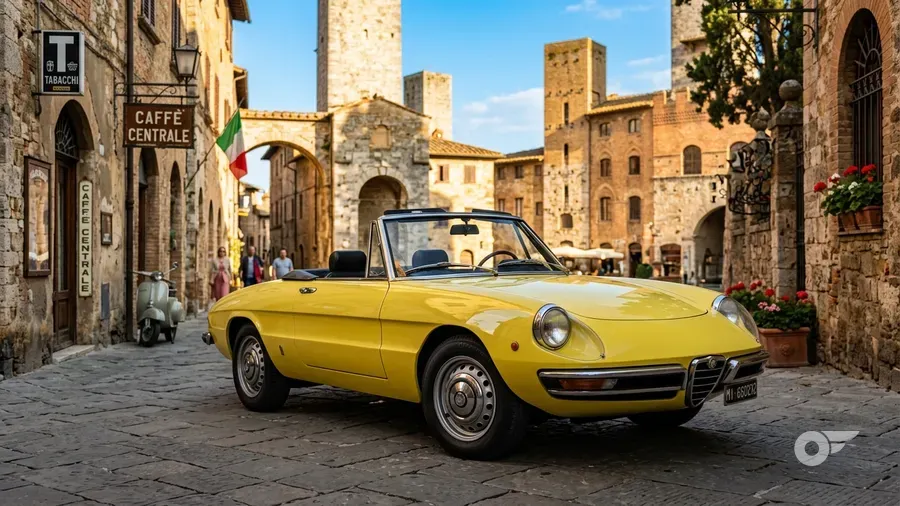
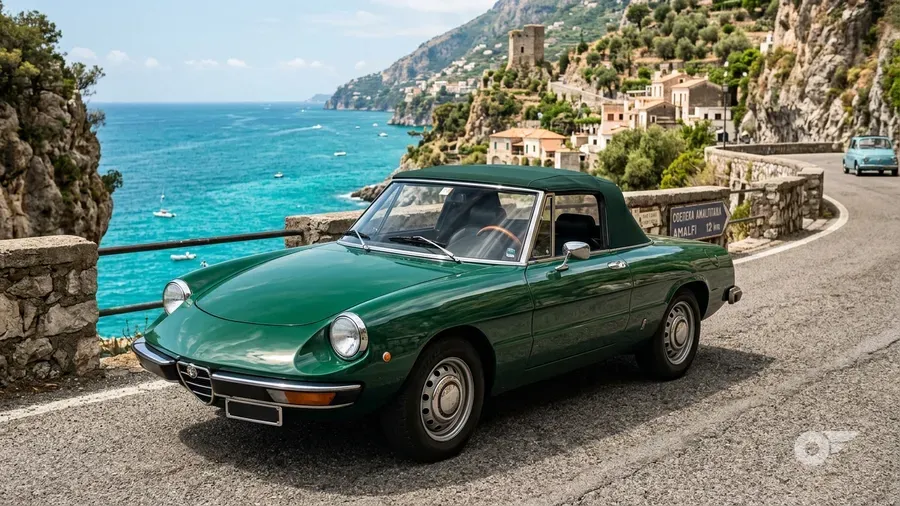
The launch car and the purest shape of the lot: flat bonnet, slim chrome bumpers, no ornament anywhere. 1438cc twin cam, 90 PS, five-speed and four-wheel discs as standard in 1966, which no British rival could match at the price. Early AS cars run a torque-tube rear axle that is prone to cracking and was replaced by trailing arms on the BS from 1969. Under 920kg, and the one to have if the shape matters more than the speed.
Two different engines were sold under this name and the difference matters. The 1608cc unit of 1970 to 1973 is the enthusiasts' choice: perfectly square at 80 x 80mm, 110 PS at 6400rpm, twin Weber carburettors, and the twin bonnet bulges that identify it at fifty paces. Hagerty's buying guide calls it the best balance in the range. From 1973 it was replaced by a 1592cc engine with a longer stroke and 108 PS, which is a torquier and slightly duller car wearing the same badge.
The flexible one, and the car most Americans actually bought. 1756cc, 118 PS DIN at 6000rpm in European tune. The version sold into emissions markets ran 8.1:1 compression for 87 PS, and by 1978 a federal car was rated 86hp SAE net, so a US 1800 is meaningfully slower than a European 1600 despite the extra capacity. This is also the car that wore the full 5mph impact bumpers from 1975.
The homologation car, shown at Turin in November 1972 for Group 4 and known in period as the 124 Abarth Stradale. Independent rear suspension replaces the live axle, using lower wishbones, the original trailing arms, an upper strut and an anti-roll bar. Bonnet, boot lid and fixed hard top are fibreglass in matt black, the rear window is perspex, the doors are aluminium, and the bumpers are gone. 128 PS DIN at 6200rpm from twin Weber 44 IDFs, 938kg with the roll bar, over 190km/h. Corsa red, white or light blue, nothing else.
The last Fiat-badged Spider and the most usable. 1995cc, a front spoiler, a three-spoke wheel and a modernised cabin. It began carburetted at 83 PS, then for the 1980 model year gained a catalytic converter and Bosch L-Jetronic fuel injection, mandatory in California and optional in the other 49 states. For 1981 the injected 102 PS engine became standard across North America, which handed back most of what a decade of emissions equipment had taken away. A GM three-speed automatic was optional from 1979.
A factory-sanctioned turbo, not an aftermarket bolt-on. Fiat USA commissioned Legend Industries of New York to turbocharge the injected 2.0, and the cars were sold through the normal dealer network. About 120hp against the standard 102, with much more mid-range, a vacuum boost gauge added to the instrument cluster and a turbo decal package on the body. Believed to be five-speed cars almost without exception. Rare now, and rarer still with the turbo system intact and working.