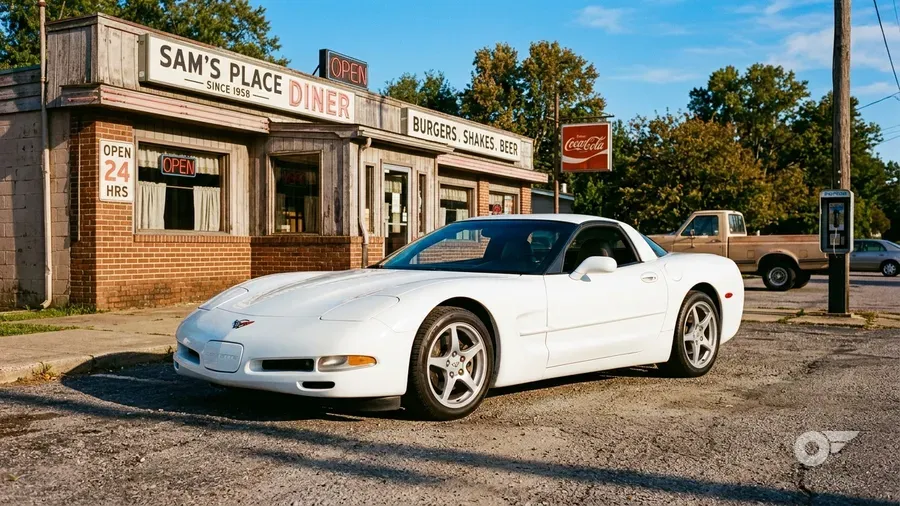
Chevrolet Corvette C5
USA·Sports·1997–2004

The defining attributes and collector status that make this car garage-worthy.

Rated 1 to 10 on the traits that matter for owning, driving, and holding on to a car like this.
Demand tier, price trend, and typical values by condition. Our own assessment, not a quoted valuation.
Values as of August 2026.
What anyone seriously considering this car should know first.
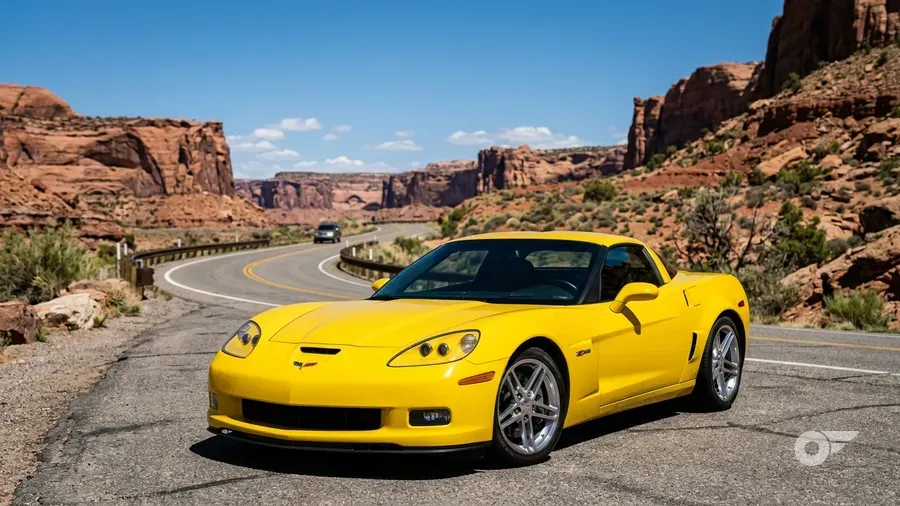
Cars from the same manufacturer family, like platform siblings or shared-era relatives.
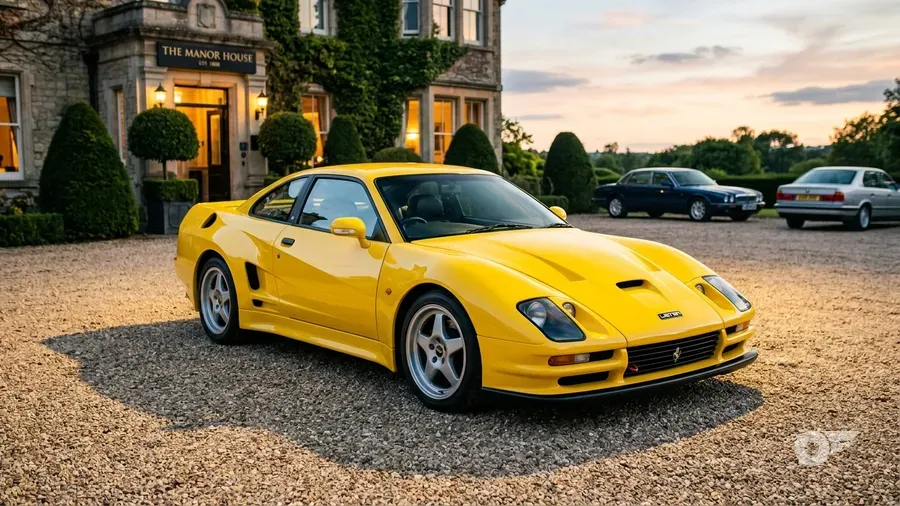

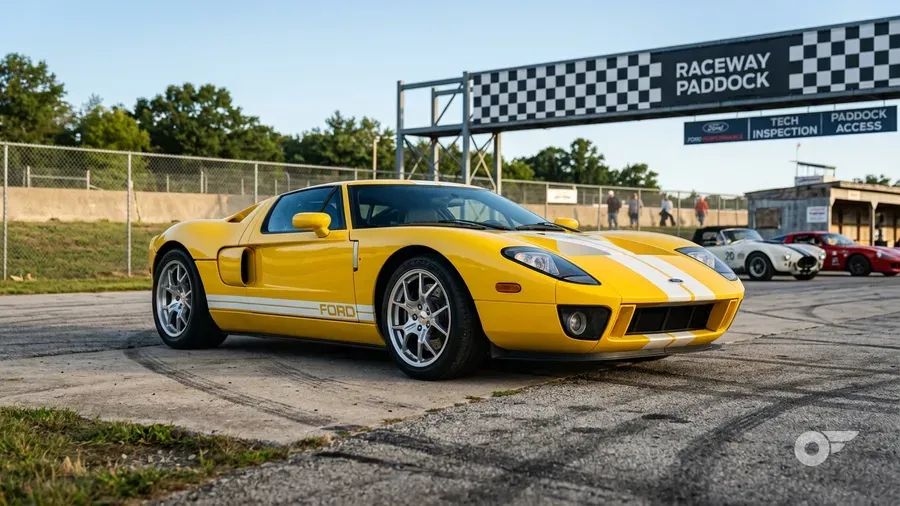
Cars from other manufacturers that competed for the same buyers when new.
The original prototype, with a 5.7-litre LS6 V8 making 350hp in a 1,175kg car, quoted at 164,000 dollars and 3.5 seconds to 60mph. It established the layout every later version used: composite structure, Chevrolet V8 behind the seats, butterfly doors.
Rollcentre Racing's attempt to adapt the MT900R for the new FIA GT3 category, using the 7.0-litre LS7. The FIA refused homologation on the grounds that too few road Moslers had been built, which forced Rollcentre to campaign the car elsewhere.
The Japanese chapter. Built for Super GT's GT300 class with a 3.4-litre Judd XV V8 in place of the Chevrolet engine, run by the Singapore-based Thunder Asia Racing team from the Okayama round of the 2010 season.
The competition car, launched alongside the road version rather than developed from it. LS1 V8, 1,020kg, around 119,000 dollars, and the variant that did all the winning: Daytona, British GT, Spanish GT and Bathurst.
The road car, and the one most buyers will encounter. 435hp from the Corvette Z06-derived 5.7-litre LS6 in a 998kg body, with the 7.0-litre LS7 arriving for 2007. Mosler achieved EPA and CARB certification in June 2005, which is when American road sales began. Listed at 189,000 dollars.
The extreme one. Stripped to 898kg with a Hewland six-speed, built twice: once in 2003 with the 5.7-litre LS6 and again in 2010 with the 7.0-litre LS7. The closest the model ever came to the 900kg target that gave it its name, and then some.