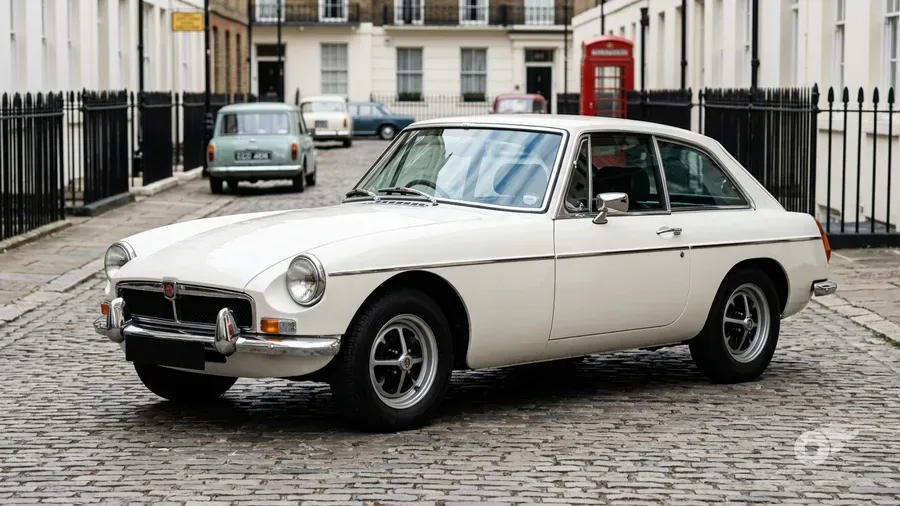
MG MGB
UK·Sports·1962–1980

The defining attributes and collector status that make this car garage-worthy.

Rated 1 to 10 on the traits that matter for owning, driving, and holding on to a car like this.
Demand tier, price trend, and typical values by condition. Our own assessment, not a quoted valuation.
Values as of August 2026.
What anyone seriously considering this car should know first.
Cars from the same manufacturer family, like platform siblings or shared-era relatives.
Cars from other manufacturers that competed for the same buyers when new.
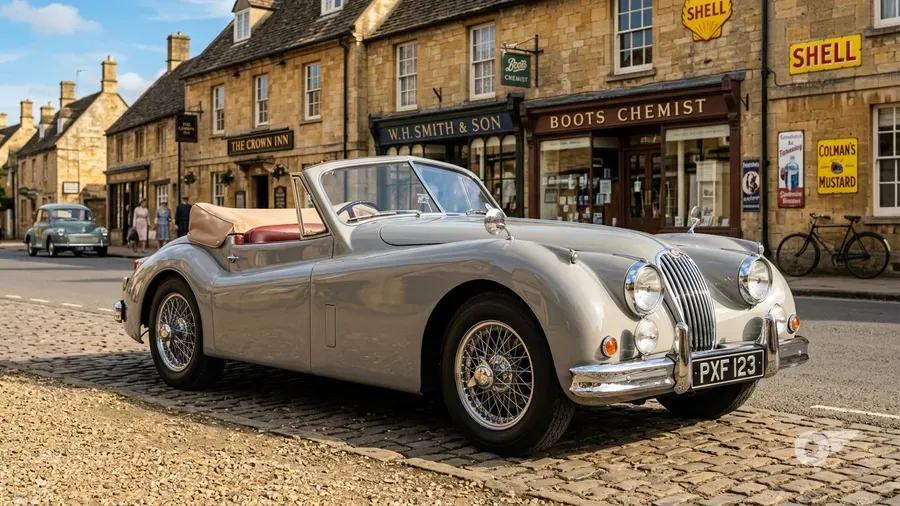
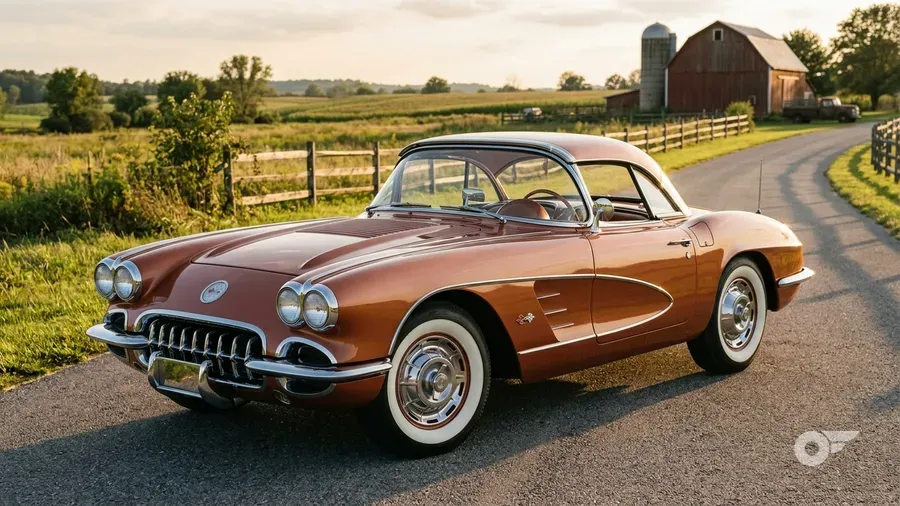
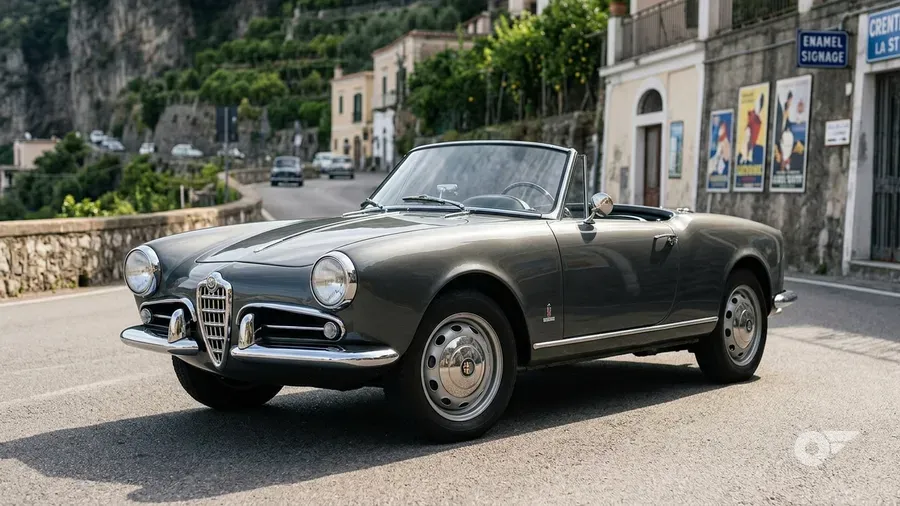
The launch car. 1,489cc BMC B-series with twin SU H4 carburettors, 68hp at first and soon 72hp, drum brakes on all four wheels. The Motor recorded 97.8mph and 0-60mph in 16.0 seconds from a test car costing £844 with tax. A coupé with wind-up windows and locking doors joined in 1956; the roadster made do with sidescreens and no exterior door handles at all. Purest version of Syd Enever's shape, and the slowest.
The volume car and the one most buyers should want. The pushrod engine went to 1,588cc and 79.5bhp in May 1959, and front disc brakes arrived with rear drums retained. Externally near-identical to the 1500 apart from separate rear stop/tail and indicator lamps and 1600 badging on the boot and cowl. The Motor recorded 96.1mph and 13.3 seconds to 60mph at £940 with tax. Hagerty's UK valuation team named it the sweet spot of the range on its 2026 Bull Market list.
Built from Twin Cam hardware left stranded when that model was dropped: complete modified Twin Cam chassis or the leftover four-wheel Dunlop discs and centre-lock wheels, carrying the ordinary 1,588cc pushrod engine. All of the Twin Cam's braking and running gear with none of its temperament, which is why it is the insider's pick of the range. Verify any De Luxe claim against the registers before paying the premium, because the wheels and discs are the easy part to fake.
The final and fastest pushrod MGA. Bore went from 75.4mm to 76.2mm for 1,622cc, the head was revised with larger valves and reworked combustion chambers for 90bhp, and a taller 4.1 final drive made it the long-distance car of the range. Road & Track estimated 105mph and 12.8 seconds to 60mph in September 1961. Recognisable by the inset grille and the Morris Mini tail lamps laid horizontally below the boot lid, the only significant styling change in seven years.
The rarest way to buy an MGA that still starts on a cold morning. Same recipe as the 1600 De Luxe applied to the Mk II: Twin Cam chassis, four-wheel Dunlop discs and centre-lock wheels under the 1,622cc 90bhp pushrod engine. 313 were built, making it more numerous than the 1600 De Luxe but still one of the rarest specifications Abingdon shipped, and the two De Luxe types together account for just 395 of more than 100,000 MGAs.
1,588cc twin-cam alloy head on the B-series block, 108bhp at 6,700rpm, 9.9:1 compression later dropped to 8.3:1 on a 100bhp version. Dunlop discs at all four corners with no servo, Dunlop peg-drive centre-lock steel wheels of the type used on racing Jaguars, and no wire wheel option. The Motor timed one at 113mph and 9.1 seconds to 60mph. Warranty claims for holed pistons and heavy oil consumption killed it in April 1960; rebuilt to modern practice it is a fine car, and the connoisseur's MGA.