Oldsmobile Toronado 2nd Gen
We haven’t profiled this car yet. Request to add

The defining attributes and collector status that make this car garage-worthy.

Rated 1 to 10 on the traits that matter for owning, driving, and holding on to a car like this.
Demand tier, price trend, and typical values by condition, based on recent sales data.
Values as of August 2026.
What anyone seriously considering this car should know first.
Cars from the same manufacturer family, like platform siblings or shared-era relatives.
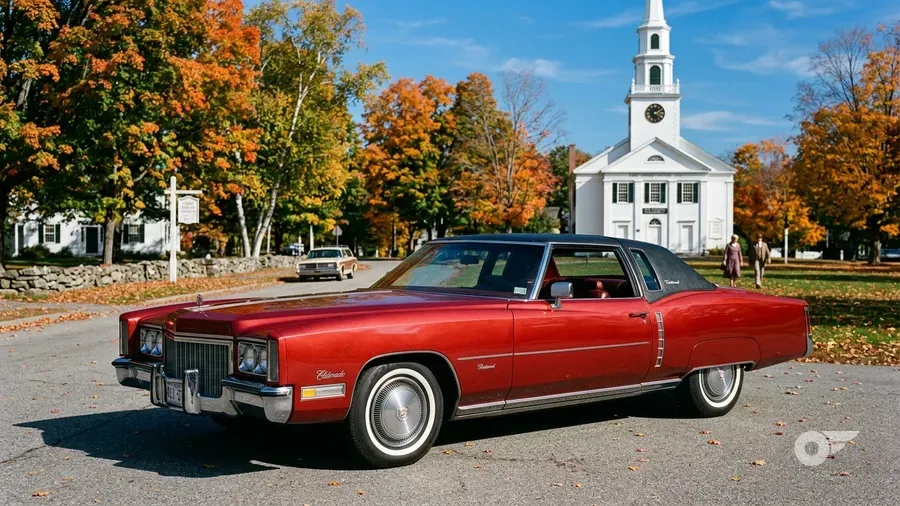
Cars from other manufacturers that competed for the same buyers when new.
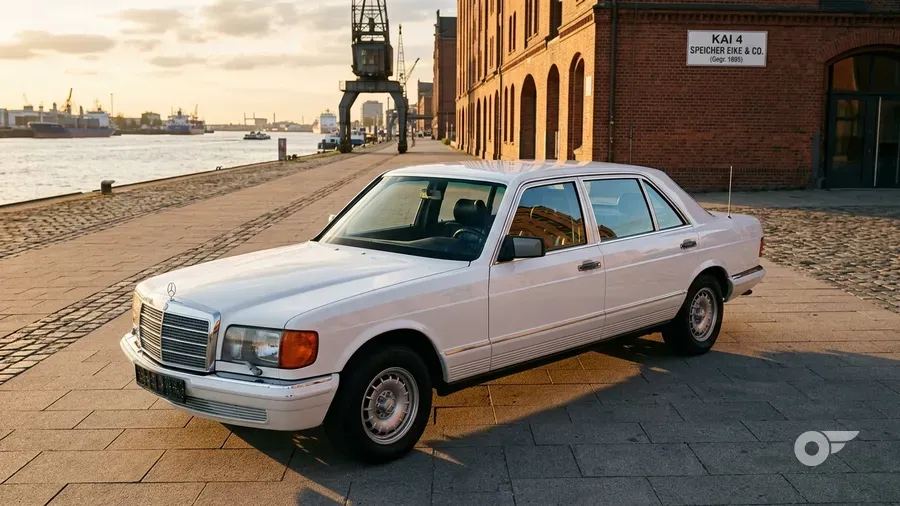
The volume luxury package and the car most people picture when they picture this generation. Identified by a brushed stainless steel roof cap over a padded vinyl cabriolet rear roof, opera lamps, accent striping, aluminium wheels and hand-stitched button-tufted seating in cloth or leather. Mechanically identical to a base Eldorado in every year; the stainless cap is a deliberate quotation of the 1957-1958 Eldorado Brougham's stainless roof.
The first factory Eldorado convertible since 1976, and the halo of the generation. Built as Biarritz coupes at Linden, New Jersey and converted on a dedicated line by American Sunroof Corporation, with a power top and a glass rear window. Every 1984 car was a Biarritz, offered in three colours only: Autumn Maple Firemist, Hatteras Blue and Cotillion White. Not to be confused with the aftermarket Hess & Eisenhardt and Custom Coach conversions of 1979-1983 coupes, which the registry and the market treat separately.
A late-1985 option package marking the last year of this body before the 1986 downsizing. Gold-tone Eldorado script and tail-lamp emblems, specific sail panel badges, gold-background wheel centre caps and a Commemorative Edition badge on the steering wheel horn pad, with a restricted interior leather palette. Offered on both the coupe and the convertible.
Cadillac's answer to the European luxury coupe, and a real engineering package rather than a badge. A $1,950 option adding FE2 touring suspension with stiffer springs, a 32mm front and 26mm rear anti-roll bar, about twenty percent more steering effort, cast aluminium wheels on P225/70R15 tyres, German-style leather bucket seats and a console. Just as important is what it deleted: no vinyl roof, no whitewalls, no wire covers, no opera lamps, no two-tone paint, and neither the V6 nor the diesel could be ordered with it. Car and Driver called the handling result startling and wonderful in April 1982 and were thoroughly disappointed by the 125hp HT4100 in the same test.