BMW 1600-2
We haven’t profiled this car yet. Request to add

The defining attributes and collector status that make this car garage-worthy.


Rated 1 to 10 on the traits that matter for owning, driving, and holding on to a car like this.
Demand tier, price trend, and typical values by condition. Our own assessment, not a quoted valuation.
Values as of July 2026.
What anyone seriously considering this car should know first.
Cars from the same manufacturer family, like platform siblings or shared-era relatives.
Cars from other manufacturers that competed for the same buyers when new.
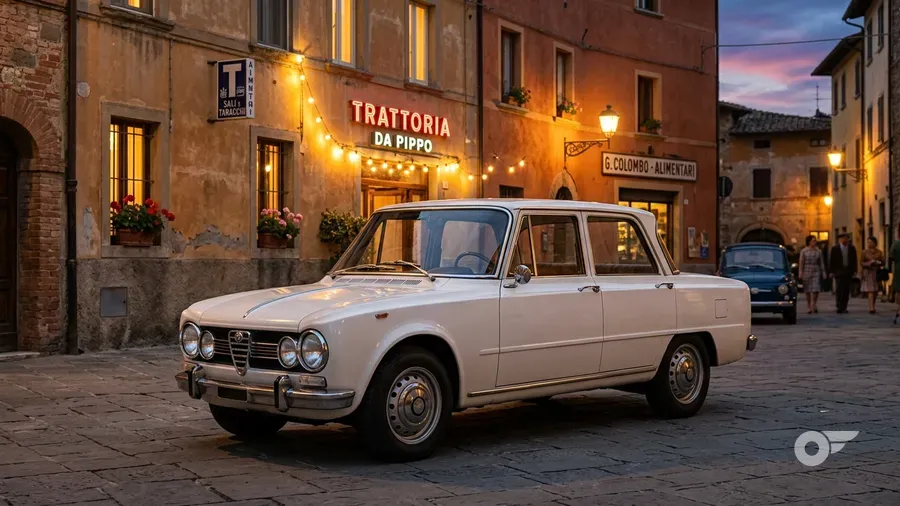
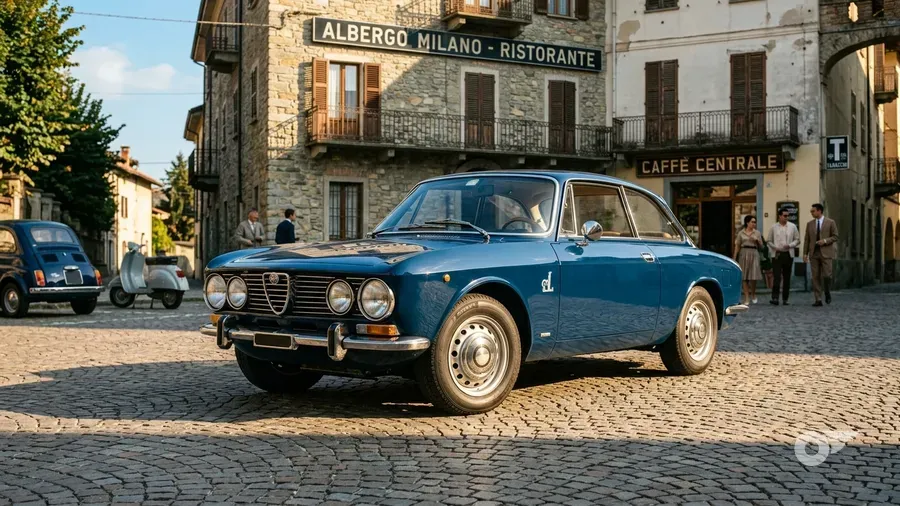
The volume car and the one most people mean by '2002': a single Solex carburetor, 100hp from the 1,990cc M10 four, and a Getrag 4-speed manual (a 3-speed ZF automatic was optional). Round taillights through 1973; squared-off US-spec bumpers and rectangular taillights from the 1974 model year on.
Kugelfischer mechanical fuel injection replaces the carburetor, lifting output to 130hp along with a higher compression ratio, larger valves, beefier brakes and suspension, and a heavier clutch. Manual gearbox only. Nothing on the outside gives it away except a small tii badge on the trunk lid, which is why period buyers nicknamed it the wolf in sheep's clothing.
BMW's first turbocharged production car, and Europe's first as well: a KKK-turbocharged version of the tii's engine making 170hp, with flared arches, a front air dam, a rear spoiler, and factory tricolor graphics that originally included a mirror-written 'turbo' script on the nose, dropped after the German press objected. Introduced at the 1973 Frankfurt show days before the oil crisis hit, which killed its momentum almost immediately.